
Are you spending more money on home repairs than you’d like?
You buy a house. You fix stuff around the house. But before you know it…you’re spending more money to fix your house.
Sound familiar?
Every homeowner has faced the dilemmas of what repairs to DIY vs. hiring out:
- “Can I really install my own fireplace mantle?”
- “Do I know enough to resize this duct?”
- “I should just paint the bathroom myself, right?”
Here’s the deal:
Some home repairs are fine to DIY. Others end up costing much more if you DIY.
In this ultimate home repair checklist, you’ll learn which repairs are safe to DIY. But more importantly…which repairs could cost you thousands if you do them wrong.
What you’ll learn:
- DIY Repairs That Are Worth DIYing
- Hidden Costs of Home DIY Repair Catastrophes
- What Roof Repair Should You DIY?
- Electrical Repairs To NEVER DIY
- Plumbing Repairs To Approach with Caution
- Home Repair & Maintenance Checklist
Do It Yourself Home Repair Is MORE Popular Than Ever
Who wants to pay for someone else to fix their house?
Not most homeowners. It’s why DIY home projects are more popular than ever.
Homeowners want to save money where they can. Especially with the skyrocketing costs of everything these days. In fact, 55% of homeowners say they’ll DIY more projects in 2025 than the year prior.
When done right, DIY home repairs:
- Cost less than hiring contractors
- Are completed faster than hiring out small jobs
- DIY just feels good
…but there’s a big BUT…
Just because you CAN fix stuff around the house doesn’t always mean you SHOULD. Sick of your leaky roof? Trying to patch up that roof yourself is a prime example of what NOT to DIY. Most homeowners don’t have the correct safety equipment. Or even know what to look for when troubleshooting roof problems. Some DIY projects appear simple enough on the surface. Until you dig deeper and create more damage.
Home Repair Projects That Are Perfect For DIYing
The good news is there are tons of home repairs and improvements you can DIY.
Easy DIY projects include:
- Patching holes in walls
- Cleaning drains
- Caulking windows and tubs
- Simple landscaping
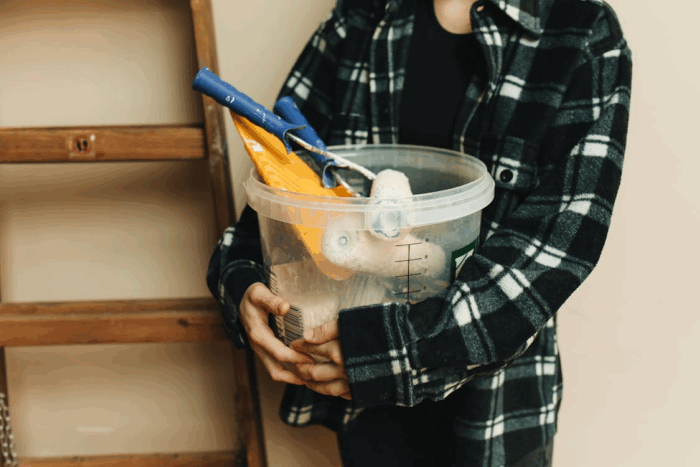
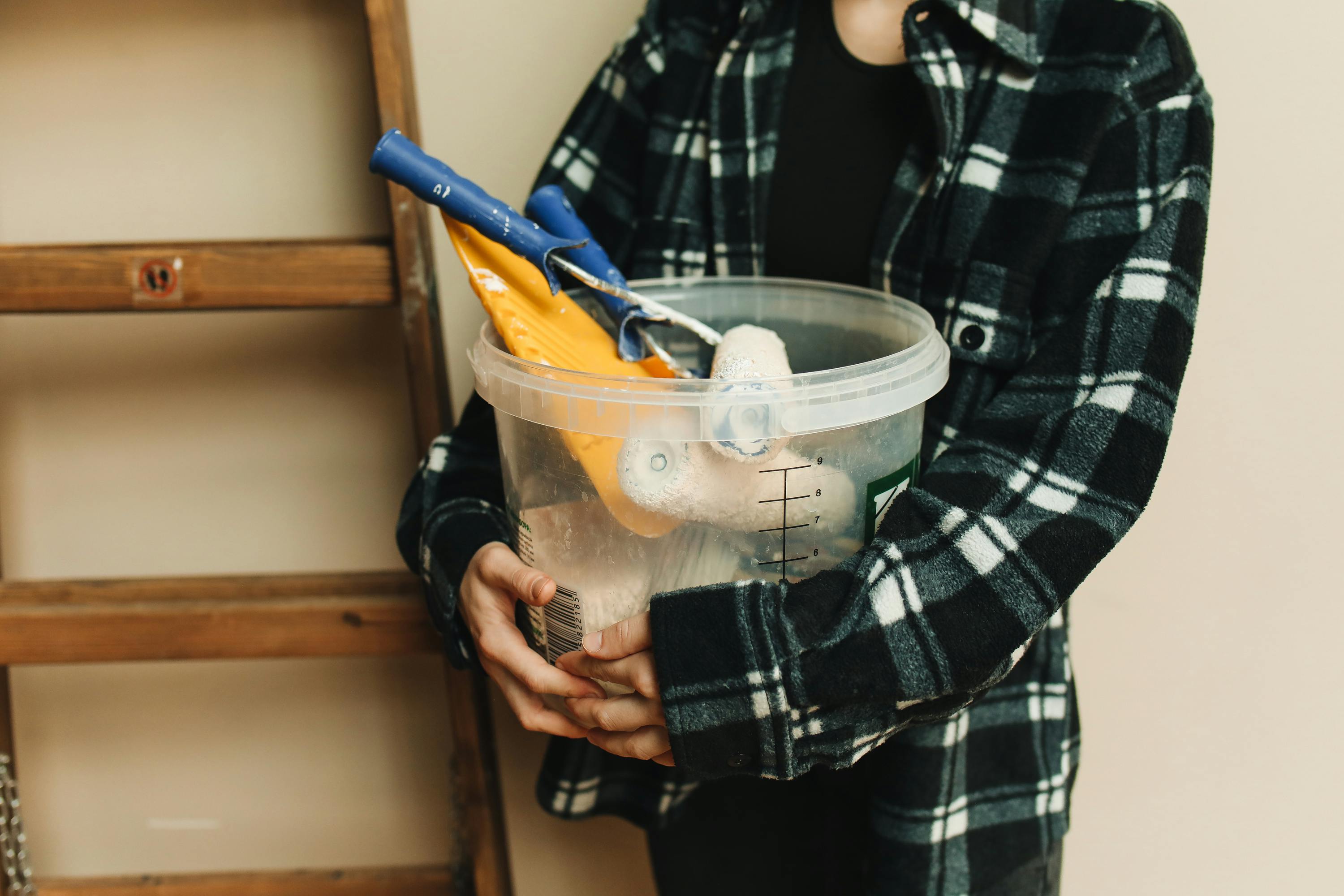
- Painting
- Installing new door knobs and faucets
Essentially, if the repair doesn’t require you to:
- Cut into walls
- Dig into your plumbing
- Climb onto your roof
…you’re golden!
These repairs don’t require any specialized skills. And the consequences of DIYing them wrong aren’t severe. At worst, you’ll have to start over.
Now it’s time to see the other side of the coin.
Costly DIY Home Repair Disasters
There’s another reason DIY repairs can end up costing you more money.
Mistakes.
According to one survey 17% of DIY homeowners have caused more damage to their home trying to repair something. The average cost of those repairs? $599!
Who wants to spend $800 on what should’ve been a $200 repair?
Here are the most common DIY homeowner disasters:
- Using the incorrect materials for the job
- Failing to recognize underlying issues that caused the issue
- Not understanding building codes or permit requirements
- Accidentally creating potential safety hazards
DIY repairs go wrong often enough that contractors even insure themselves against homeowners trying to repair something and making it worse. Always research a repair before jumping in. And know when to call in professional help.
Should You DIY That Roof Repair?
Roof issues are the first things homeowners should NO LONGER DIY.
You may be thinking, “But I worked on rooftops all day during my summer job in college.”
It doesn’t matter.
Don’t DIY your roof repair.
Look, I get it. Your roof seems like a straightforward surface to work on. And most roofing problems DO originate from improperly installed shingles or simple leaks. But roof problems can be indicative of larger issues. A leak may be caused by damaged roof decking, rotted framing, or other issues not visible from a cursory inspection. Spotting these problems isn’t easy. And they can end up costing you thousands down the road.
Here are a few signs it’s time to call professional roofing contractors:
- Multiple shingles are missing or damaged
- Areas of your roof are visibly sagging
- You notice spreading water stains on ceilings inside
- There’s damaged flashing around chimneys or vents
- Your roof is 15+ years old
If you spot a few missing shingles, consider yourself lucky. That’s pretty much the only DIY-worthy repair you can make to your roof. Anything that involves structural damage or an actual leak should be done by professionals.
You Should Never DIY Electrical Work
While we’re on the subject of “DON’T DIY.” Let’s talk about your home’s electrical work.
Electrical work is dangerous – and DIYers cause hundreds of house fires each year by improperly repairing electrical items.
DON’T DIY any electrical project that:
- Requires adding new electrical lines, outlets or upgrading breaker boxes
- Involves repairing old or damaged wiring
- Includes flickering lights without an obvious cause
- Requires any permits
In short, if you don’t have your electrician’s license in hand, don’t touch anything that goes into the walls of your home. The only electrical projects I ever recommend DIYing are changing out light bulbs. Or maybe installing a new light switch plate cover.
Some Plumbing Repairs Are Safe to DIY
When it comes to plumbing repairs, I recommend knowing when to hold ’em, and when to fold ’em.
If water is spraying everywhere? Fold’em and call a professional.
Some safe DIY plumbing fixes include:
- Running baths, sinks, and toilets
- Unclogging drains
- Replacing shower heads and toilet flappers
- Tightening loose connections
You should ALWAYS call a pro for:
- Main sewer line problems
- Water heater issues
- Hidden pipe leaks
- Gas connections
- Low overall water pressure
If you can see the problem and stop the water from spraying. Chances are it’s safe to DIY.
Build Your DIY Home Maintenance Checklist
The best way to avoid costly repairs?
Don’t let them happen in the first place.
Regular home maintenance is the best way to protect your biggest investment. By setting up a weekly, monthly. and seasonal home maintenance schedule. You can head small problems off at the pass before they become costly repairs.
Monthly maintenance checklist:
- Test smoke and CO detectors
- Check under sinks for leaks
- Replace HVAC air filters
Spring/Summer/Fall maintenance checklist:
- Clean out gutters
- Check roof for obvious damage after storms
- Check weatherstripping on doors and windows
Annual maintenance checklist:
- Schedule professional HVAC inspection
- Chimney gets cleaned (if you burn wood)
- Examine foundation for cracks
The DIY Home Repair Projects YOU Should Do
Not all DIY home repair projects are created equal.
While most homeowners can safely take care of basic repairs. Others do require skilled hands to avoid costly damage.
If you’re unsure if a repair is safe to DIY. Ask yourself these questions:
- Can I complete this repair with basic tools?
- Will I be working with electricity or gas? If so. NO DIY!
- Is this repair structural or on the roof? If so. NO DIY!
- Could this repair go wrong and cause flooding? If so. NO DIY
It’s not about not DIYing anything. It’s about not DIYing things that end up costing you more money to repair down the road.
Know when to DIY, and know when to call for help.










Leave a Reply