
The tub lives next to the coffee maker. One scoop goes into a breakfast shake, another into oatmeal, and some weeks a little ends up in muffin batter. For many moms, powder is less a supplement than a pantry staple.

Photo by David Trinks on Unsplash
Alt text: A modern kitchen with a colander, stove, and blender
That makes it worth knowing how the stuff is made. Brands rarely mix their own powder, and many hand the job to a manufacturer such as Sawgrass Nutra Labs that blends, flavors and packs it for them. Once you see those steps, the label on your tub reads very differently. This is kitchen know-how, not nutrition advice, so talk to your doctor about what your family actually needs.
How Does a Flavored Powder Get From a Factory Into Your Tub?
It starts as a recipe on paper and ends as a sealed tub. In between, the powder goes through several checks. A typical run looks something like this:
- Sourcing. The maker buys the base ingredients, such as whey, pea protein or dried greens.
- Small test batches. Formulators mix a sample and check how it dissolves, tastes and holds up over time.
- Blending. Large mixers combine the base, flavor and sweetener until every scoop matches the next.
- Batch testing. A lab checks the finished powder before it ships.
- Filling and sealing. The powder goes into tubs, pouches or single-serve sticks with a lot number.
Sawgrass describes that test-batch stage as solubility testing, flavor profiling and stability analysis before full production. It also says every powder batch is tested for potency, purity and microbiological safety. That last check matters more than most moms realize, because powder often goes into food that is never cooked.
Why Does Chocolate Taste So Different From One Brand to the Next?
Flavor is a design choice, and it is harder than it looks. Protein and greens both carry earthy or bitter notes that a flavor system has to cover. Pea protein can taste beany, and spinach or spirulina powders can taste grassy.
Sweeteners do much of that work. Sawgrass lists stevia, monk fruit and sucralose among its sweetener options, alongside natural and artificial flavors. Each one tastes a little different, and some people notice an aftertaste from certain sweeteners. If your kids refuse one vanilla but love another, the sweetener may be why.
A few tricks help in the kitchen. Frozen fruit, nut butter and ice are easy ways to make protein shakes taste better for picky eaters. Cold liquid also hides bitterness better than warm liquid does.
What Does One Scoop Really Measure?
The scoop is sized for weight, not volume. A label might say one scoop equals 30 grams, but powder settles in shipping. A heaping scoop from the top of a fresh tub can weigh more than a level scoop near the bottom.
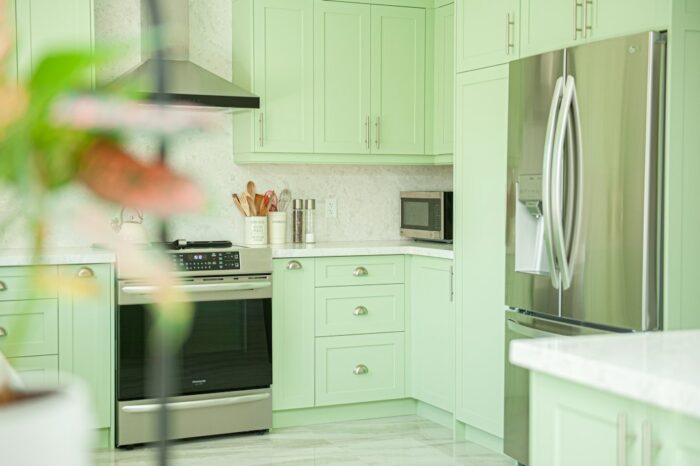
Photo by Smart Renovations on Unsplash
Alt text: Modern kitchen with light green cabinets and stainless steel appliances
For recipes, a small kitchen scale removes the guesswork. Weigh one level scoop once and write the number on the lid. Then you can tell exactly how much went into a batch of pancakes or energy bites.
Scoop size also matters when you split a recipe across the family. If a muffin batch holds two scoops and makes 12 muffins, each muffin carries one-sixth of a scoop. That math helps when one child eats three.
What Should You Check On the Tub Before It Goes In a Recipe?
Turn the tub around and give the back 60 seconds. Here is what to look for:
- Supplement Facts or Nutrition Facts. Powders can be sold either way, and the panel tells you which rules the brand followed.
- Serving size in grams. Compare it to your own scoop on the scale.
- Allergens. Whey is milk, and some blends contain soy or tree nuts.
- Sweeteners and caffeine. Some greens and energy blends add green tea extract or caffeine, which is not for kids.
- Lot number and best-by date. These help you check a recall against your exact tub.
- A third-party seal. An independent mark means an outside group reviewed the product.
Allergens deserve extra care in a family kitchen. US labels now name nine major food allergens, and sesame joined the FARE list of common allergens on January 1, 2023. Read the tub every time you switch brands, because one company’s chocolate may contain milk while another uses pea protein.
Can You Bake or Air Fry With Protein Powder?
Yes, with a few adjustments. Protein powder soaks up more liquid than flour. Swapping it one-for-one usually gives dry, rubbery results.
These starting points tend to work well:
| Recipe | How to use the powder | Kitchen tip |
| Overnight oats | Stir in half a scoop | Add a splash more milk |
| Pancakes | Replace up to a quarter of the flour | Rest the batter for 5 minutes |
| Air fryer muffins | Replace up to a third of the flour | Check them early, they brown fast |
| Pasta casseroles | Whisk unflavored powder into the sauce | Keep the heat low so it does not clump |
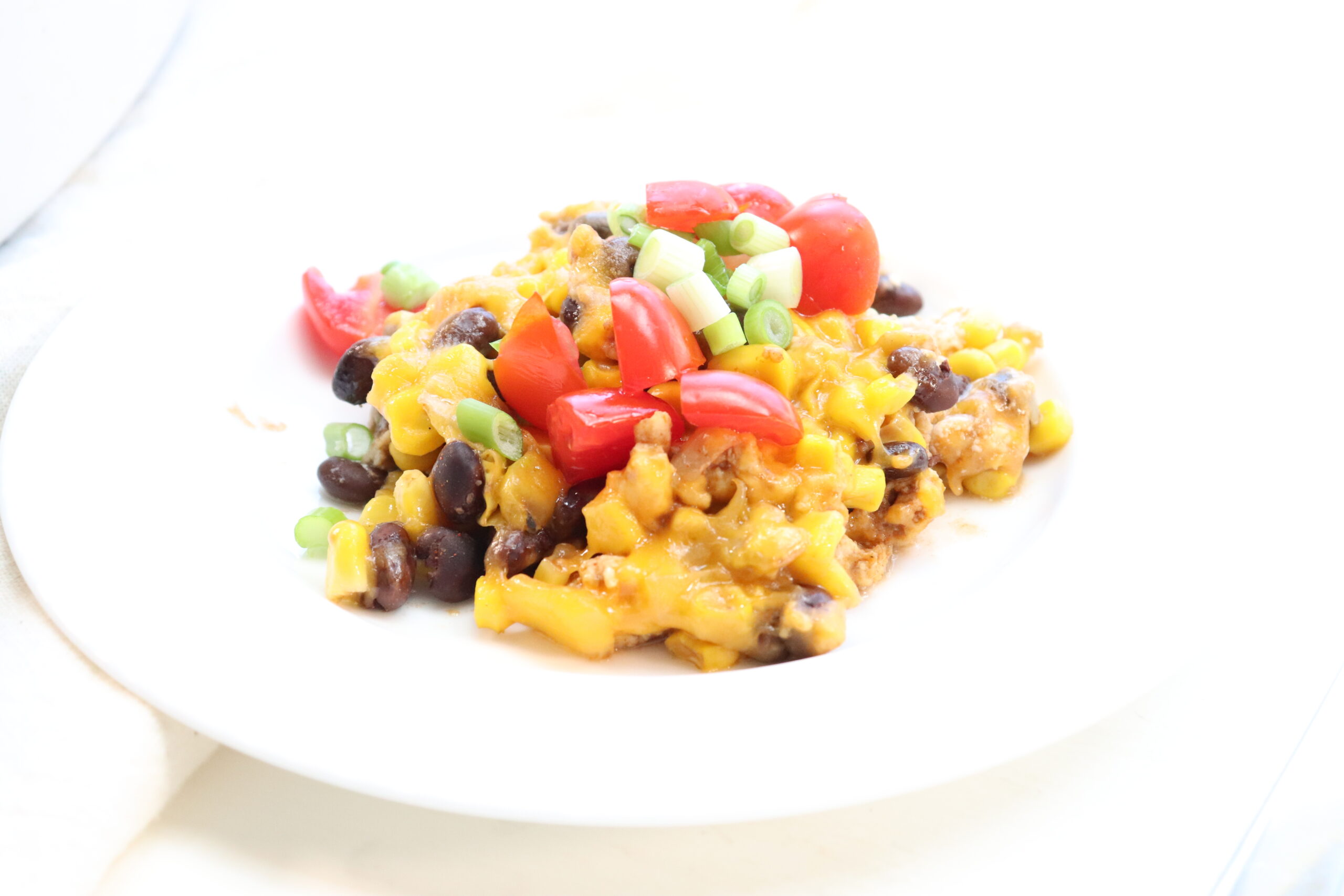
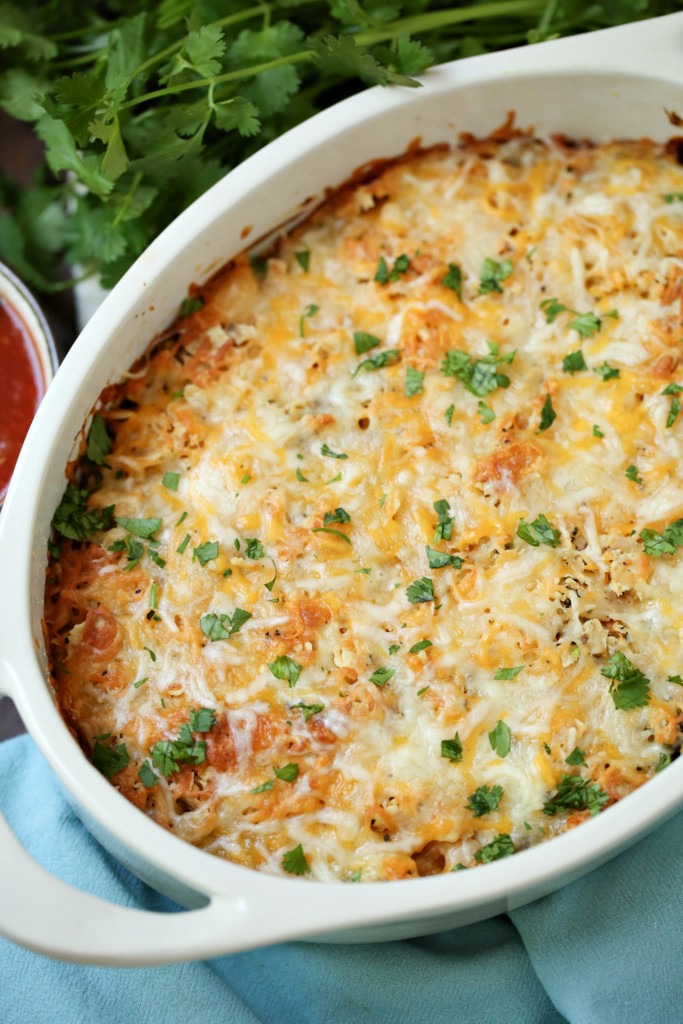
Unflavored powder is the most flexible choice for savory food. It works in dishes like this protein-packed macaroni casserole without making dinner taste like vanilla. Greens powder suits smoothies and dips better than baking, where heat can dull the color.
For whole-food comparisons, the USDA FoodData Central database lists the protein in eggs, Greek yogurt and beans. A quick search shows when a recipe already carries plenty of protein without any powder at all.
Who Stands Behind the Brand On Your Counter?
The name on the tub is the brand, not always the maker. Some brands publish details about their manufacturer, and that openness is a good sign. Sawgrass Nutra Labs, for instance, says it runs a 40,000-square-foot facility that Eurofins has certified to cGMP standards. It also packs powder into jars and tubs from 200 grams up to 5 pounds, plus single-serve stick packs.
If a brand will not say where its powder is made or tested, that tells you something too. An email to customer service asking for a certificate of analysis is a fair question.
Frequently Asked Questions
Is Protein Powder Safe to Bake With?
Most protein powders handle oven heat fine for home baking. The bigger issue is texture, since powder absorbs liquid. Replace only part of the flour and add a little more milk or yogurt.
Can Kids Have Recipes Made With Protein Powder?
Ask your pediatrician before adding powder to a child’s regular diet. Check the tub for caffeine, added herbs and allergens. Many kids already get enough protein from food.
Why Does My Scoop Not Match the Label?
Powder settles during shipping, so scoops weigh more or less over time. Weigh a level scoop on a kitchen scale. Use that number in recipes instead of guessing.
What Does a Lot Number Mean On a Powder Tub?
It links your tub to one production batch at the factory. If there is a recall, the notice lists affected lot numbers. Keep the tub until it is empty so you can check.



Leave a Reply