
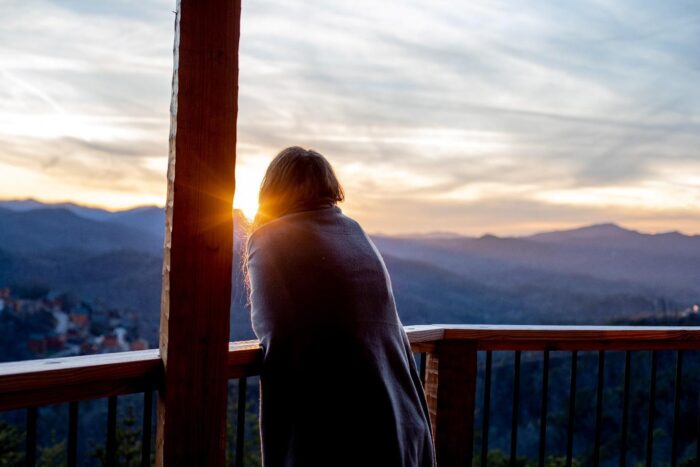
Group travel is one of the best ways to create unforgettable memories with friends or family, and there’s no better destination to achieve this than the Smoky Mountains. From shared meals to exploring new places together, it’s all about bonding and having fun. However, organizing a trip with multiple people can be tricky—different schedules, preferences, and personalities can turn the experience into a logistical puzzle.
With a little planning and teamwork, though, group travel can run smoothly and stay enjoyable for everyone. The key is balancing structure with flexibility, ensuring everyone feels involved, and creating opportunities to enjoy the journey together.
Let’s explore some practical tips to help you manage group travel to the Smokies and keep the fun going strong.
Choose the Perfect Base for Your Group
Picking the right accommodation is crucial for a great group trip. Cabins are an excellent option because they offer spacious shared areas for socializing while also providing enough privacy for downtime. They come equipped with amenities like fully stocked kitchens, game rooms, and outdoor spaces where your group can relax and recharge. Plus, staying together in a cabin fosters a sense of connection that you don’t get when splitting up into separate hotel rooms.
If you’re heading to the Smokies, cabins offer a unique advantage: their proximity to Smoky Mountain attractions. Staying close to popular destinations like Dollywood, Cades Cove, Kuwohi, or downtown Gatlinburg means less time driving and more time exploring. Heritage Cabin Rentals is a top-notch option, offering beautiful, well-equipped cabins near these must-visit spots. Choosing a central location helps streamline your trip so that the group can focus on fun rather than logistics.
Set Expectations Early
One of the keys to a smooth and enjoyable group trip is setting expectations before you hit the road. Have a group discussion about the trip’s goals and priorities—does everyone want to explore as much as possible, or is the focus more on relaxation? Understanding what each person hopes to get out of the trip helps align plans and avoid misunderstandings.
Clear expectations also apply to budgets and responsibilities. Discuss how expenses will be handled, whether it’s splitting costs evenly or assigning specific payments, like one person covering groceries while another one books the cabin. Setting ground rules ahead of time keeps everyone on the same page and allows the group to focus on what matters most: having a great time together.
Create a Flexible Itinerary
One of the most common pitfalls of group travel is overplanning. While it’s tempting to pack every hour with activities, a rigid schedule can quickly lead to stress or burnout. A flexible itinerary strikes the perfect balance—it gives structure to the trip without overwhelming anyone. Include a mix of group outings, like hiking trails or exploring local attractions, and blocks of free time where people can rest or do their own thing.
For example, plan a morning hike followed by an open afternoon where some members can shop, others can nap, and a few might hang out at the cabin. Having a mix of planned and unplanned time means everyone can enjoy the trip their way. Flexibility also leaves room for surprises, like discovering a scenic overlook or a hidden gem café that wasn’t on your original plan.
Divide Responsibilities Among the Group
Handling everything on your own as the “trip planner” can be exhausting. Instead, divide responsibilities among the group to lighten the load and get everyone involved. For example, one person can take charge of meal planning, another can manage transportation, and someone else can handle finding local activities. Breaking up tasks keeps the trip organized and allows everyone to feel like they’re contributing.
Assigning roles can even be fun. Designate a “navigator” for road trips or a “chef of the day” for cooking meals in the cabin. Sharing responsibilities encourages teamwork and takes the pressure off any one person. It also lets people showcase their strengths, whether it’s whipping up a fantastic meal or finding a scenic route that everyone will love.
Encourage Open Communication
Group trips can quickly go off track if communication isn’t prioritized. Keeping everyone in the loop avoids misunderstandings and helps overcome concerns before they become issues. Start by creating a group chat or using a trip-planning app to share information about the itinerary, responsibilities, and any changes that come up. A quick message like, “Lunch moved to 1 PM, see you at the cabin!” can save a lot of confusion.
Encouraging open communication also means being receptive to feedback. If someone suggests swapping an activity or adding extra downtime, listen and discuss as a group. Keeping the conversation flowing creates a sense of teamwork and ensures everyone feels heard. A trip is more fun when everyone’s voice matters, so make space for opinions and ideas.
Plan for Surprises and Spontaneity
Even the best-laid plans can hit a snag, but that’s part of the adventure. Whether it’s a sudden rainstorm or a flat tire, embracing the unexpected keeps the mood light and the group energy positive. Pack a small “oops kit” with essentials like umbrellas, extra snacks, and a first-aid kit to handle minor bumps with ease.
Spontaneity also adds magic to group trips. Leave room in the schedule to explore something unplanned, like a roadside farm stand or a trail you didn’t research ahead of time. These detours often become the highlights of the trip. Staying flexible and open to surprises makes the experience more memorable and fun for everyone.
Capture and Celebrate the Moments
Group trips are all about creating memories, and capturing those moments adds an extra layer of joy. Instead of relying on one person to take photos, get everyone involved. Assign a “trip photographer” each day, or turn it into a fun group activity by setting photo challenges like “best nature shot” or “funniest pose.”
Don’t stop at photos—celebrate the trip in creative ways. Create a shared album, film a short group video, or even write postcards to send to one another after the trip. These keepsakes will remind everyone of the laughter and adventures you shared long after the trip is over.
Group travel is an incredible way to build connections, share experiences, and make memories that last a lifetime. Managing the logistics can feel overwhelming, but with a little teamwork, flexibility, and creativity, you can keep the fun going from start to finish. Besides, the best group trips are about more than the destination—they’re about the people. Focus on enjoying the journey, celebrating the moments, and making everyone feel included. That’s how unforgettable adventures are made.









Leave a Reply