
Somewhere between the tortilla chips and the veggie straws, there’s usually a bag of pork rinds that a lot of us walked past for years. Then low-carb eating went mainstream, and suddenly they were in every other grocery cart. If you’ve ever stood in that aisle wondering how pork rinds are made and whether they belong in a healthy snack drawer, you’re in good company.
This is a plain-talk look at what’s in the bag, how it gets there, and how it can work for families trying to eat a little smarter.
Why Pork Rinds Keep Landing on Low-Carb Shopping Lists
The appeal is easy to see. Plain pork rinds are typically low in carbs, they carry a fair amount of protein, and they have the kind of salty crunch a rice cake has never once delivered. For anyone counting carbs, tracking points, or trying to cut back on chips, that combination is hard to ignore.
Their appeal isn’t just the carb count. Pork rinds bring a salty crunch to snack plates, dips, and recipes, and crushed pieces can add texture to coatings that would normally use breadcrumbs.
But protein on a label doesn’t tell the whole story. Harvard’s Nutrition Source points out that when you eat a food for its protein, you also get everything that comes along with it, which it calls the protein “package” (the fats, sodium, fiber and so on). That’s a useful way to look at pork rinds, because the protein comes with a fair bit of sodium.
Some of us still think of them as a gas station road-trip snack. Old habits.
The Nutrition Numbers, Without the Hype
A 1-ounce serving of plain pork rinds can provide around 150 calories, 17 grams of protein, 9 grams of fat, and zero carbohydrates, depending on the product. Sodium and other nutrition figures vary by brand, so check the Nutrition Facts label on the bag you’re buying.
Sodium is the number to watch. Some plain versions carry around 500 milligrams per ounce. The FDA’s guidance on reading sodium on the Nutrition Facts label says a serving with 20% of the Daily Value or more counts as high, and a serving like that would land just above that line.
Much of the protein in pork skin comes from collagen, which lacks some of the amino acids your body can’t make on its own, including tryptophan. So pork rinds work better as one protein source among several than as your main one. Eating a variety of protein-rich foods throughout the day helps provide the amino acids your body needs.
So, How Does Pig Skin Turn Into That Puffy Crunch?
Most people who ask how pork rinds are made expect some long, mysterious factory process, and the basic method is more down-to-earth than that. What follows is the general version. The exact process varies by producer, and some cure and smoke the skin before rendering it, for example.
- The skin comes from pork processing. Pork skin is an edible byproduct of the meat industry, so snack makers typically buy it from processors.
- It’s prepared and trimmed. The skin is prepared and excess fat is removed. Depending on the producer, this may involve boiling, rendering, or other preparation steps. The goal is to get the skin ready for drying and frying.
- It’s cut and dried. The skin is cut into strips or bite-size pieces, then dehydrated until it’s brittle. In the snack business these dried bits are often called pellets.
- It’s fried until it puffs. The pellets go into the fryer and can expand to several times their original size, which is where that airy, almost cracker-like texture comes from.
- Seasoning goes on last. Salt and pepper are the classics, with barbecue, salt and vinegar, and spicy blends showing up on most store shelves.
That puff is why a bag of pork rinds can look huge and weigh almost nothing. So eyeballing a serving doesn’t work well, which matters more than people think.
Some home cooks make their own by baking or air frying raw pork skin, which gives you control over the salt. It takes time, and finding raw skin can mean a trip to a butcher or a Latin or Asian market. Fun weekend project, maybe not a Tuesday-night thing.
Reading the Label Before It Goes in the Cart
Pork rind bags can look nearly identical and still differ a lot once you flip them over. A quick scan usually covers it:
- Sodium per serving. Compare the %DV between brands.
- Serving size in ounces. A “serving” might be a modest handful, and the bag might hold three of them.
- Added ingredients. Some flavored versions include MSG, maltodextrin, sugar or artificial colors. None of that is automatically bad, but it’s useful to know if your family avoids any of them.
- Saturated fat. Pork rinds contain saturated fat, and the amount varies by product. Comparing labels can help if you’re trying to limit your intake.
Easy Ways to Fit Them Into Real Meals
Eating them straight from the bag is the most common move. Using them as an ingredient tends to stretch a small amount further, and it’s where they get fun.
For air fryer chicken tenders, dip strips of chicken in beaten egg, press them into finely crushed pork rinds mixed with a little garlic powder and paprika, and air fry until golden and the chicken reaches an internal temperature of 165°F (74°C). The same coating works on fish or pork chops.
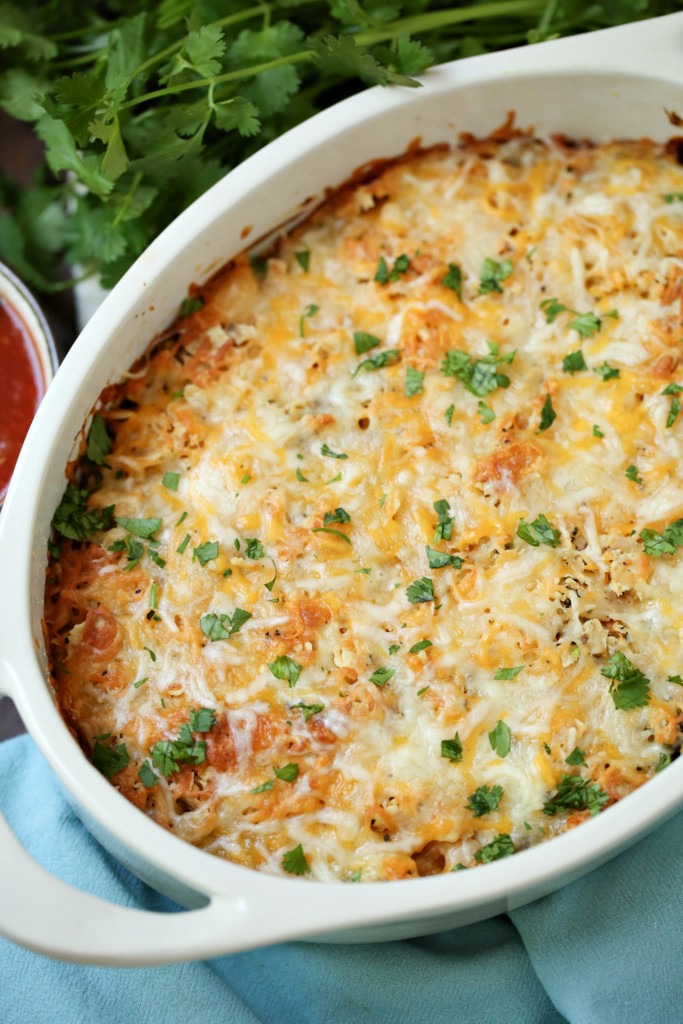
A small handful crumbled over a salad or roasted vegetables gives that bacon-bit crunch without much volume. Some people mix them into meatballs in place of bread, or sprinkle them over a cheesy chicken bake for a crisp top. Serving them alongside veggies or a salad adds the fiber pork rinds don’t have.
Kids tend to like them too, which is fun until you notice how fast a bag disappears. Children generally have lower sodium limits than adults, depending on age. If you’re serving pork rinds to kids, check the serving size and sodium content and account for the rest of the day’s meals.
Where That Leaves Your Snack Drawer
Pork rinds aren’t a health food, and they aren’t the same thing as a bag of potato chips either. They’re a protein-rich snack that’s typically low in carbs and can be high in sodium, and they fit some eating plans better than others.
If you’re limiting sodium or saturated fat for health reasons, compare labels and follow your clinician’s advice. Pork rinds can fit into a low-carb eating plan, but the best choice depends on the product and the rest of your diet. Check the label, measure out a serving, and enjoy them on their own or alongside vegetables and your favorite dip.






Leave a Reply