
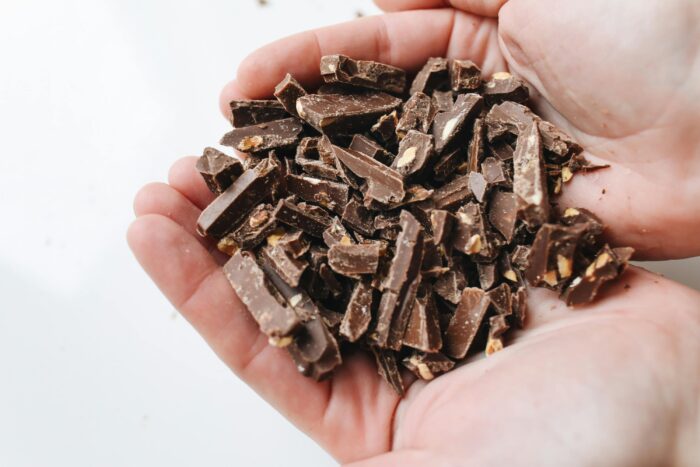
Taffy is more than just a nostalgic treat at seaside boardwalks; it’s a candy rich in history, flavor, and texture. Exploring taffy offers a delightful journey into its various flavors and textures that make each piece unique. From traditional vanilla and chocolate to exotic tastes like mango and chili, the variety is vast and intriguing.
Taffy-making is both an art and a science, involving precise techniques that ensure each bite is perfectly chewy and flavorful. The process of pulling and stretching contributes to its characteristic texture, creating a candy that is both soft and resilient. This balancing act of flavors and textures makes taffy a favorite among candy enthusiasts.
Key Takeaways
- Taffy offers a variety of unique flavors and textures.
- Production techniques impact the quality and characteristics of taffy.
- The history and making of taffy contribute to its uniqueness.
The History of Taffy
Taffy has a rich history that spans centuries, beginning with its early origins and evolving through various cultural influences. Modern taffy boasts a variety of flavors and textures, including the delightful choco taffies, each with its unique characteristics.
Origins and Evolution
The history of taffy can be traced back to the 19th century. Early versions of taffy were made by boiling sugar, water, and butter into a sticky mixture. This was then pulled and stretched until it became light and fluffy.
Saltwater taffy, a popular variant, originated in Atlantic City in the late 1800s. A folklore story claims a shopkeeper’s candy stock was soaked by seawater, leading to the creation of saltwater taffy. Though the tale’s accuracy is debated, the candy gained popularity and became a staple of coastal towns.
Taffy’s evolution continued with advancements in cooking techniques and ingredient variations. The introduction of flavorings and colorings broadened its appeal. By the mid-20th century, taffy had cemented its place in candy shops worldwide, treasured for its chewy texture and sweet taste.
Modern Taffy Variations
Today, taffy comes in a plethora of flavors and textures. Traditional fruit flavors like strawberry, lemon, and orange remain favorites. Complex combinations such as peanut butter, chocolate, and mint cater to diverse palates.
Modern taffy is often divided into two categories: pulled taffy and non-pulled taffy. Pulled taffy is stretched during preparation to create a light and airy consistency. Non-pulled taffy tends to be denser and chewier.
Additionally, gourmet taffy includes exotic flavors such as pomegranate, lavender, and chili. This variety allows for personalized choices, ensuring there’s a type for every candy enthusiast. The texture can also vary from soft, almost melt-in-the-mouth types to firmer, more resistant varieties.
Production Techniques
The art of taffy-making involves precise methods and creative touches. These include the combination of ingredients, the intricate pulling process, and the careful cutting and wrapping procedures. For larger productions, using a b2b taffy supplier ensures a consistent and ample supply.
Ingredients and Mixing
Each taffy recipe starts with sugar, corn syrup, and water as the primary ingredients.
Salt and butter add richness, while flavorings and colorings create variety. The ingredients are mixed and heated to the perfect temperature of around 250°F, ensuring smooth texture.
Pectin or glycerin might be added for extra chewiness. The mixture must be constantly stirred to prevent burning and ensure uniformity.
The Pulling Process
Pulling taffy is essential for its chewy texture. Once the mixture cools slightly, it’s stretched and folded repeatedly.
Manual methods involve gripping and pulling the taffy. Mechanical taffy pullers mimic this action on a larger scale. Air incorporation is key during this stage, as it gives the taffy a light, airy consistency.
Consistency and timing in this stage affect the final texture significantly.
Cutting and Wrapping
After pulling, the taffy is laid out and cut into bite-sized pieces.
Cutting must be precise to ensure uniformity. Machines often perform this function for efficiency. Wrapping each piece protects it from sticking together and maintains freshness.
Wax paper or plastic wrappers are common choices for this purpose. The wrapping process, often automated, must be swift to prevent the taffy from losing its shape.
Flavor Profiling
Taffy comes in a wide array of flavors ranging from nostalgic classics to innovative modern creations. Each flavor offers unique experiences and can be complemented by pairing with different foods.
Classic Flavors
Classic taffy flavors include staples such as strawberry, vanilla, and chocolate. These flavors often evoke memories of childhood and traditional candy shops. Strawberry taffy offers a sweet, fruity taste reminiscent of summer days. Vanilla taffy provides a creamy, smooth flavor that is gentle and comforting. Chocolate taffy delivers a rich and robust sweetness that appeals to chocolate lovers.
These flavors maintain their popularity due to their simplicity and timeless appeal. They’re widely loved and recognized, making them a safe choice for any taffy assortment.
Innovative and Contemporary Flavors
Modern taffy makers experiment with unique combinations like mango chili, sea salt caramel, and lavender honey. Mango chili taffy blends the tropical fruit’s sweetness with a spicy kick, offering an unexpected twist. Sea salt caramel combines salty and sweet flavors to create a complex and satisfying taste experience. Lavender honey introduces floral notes, adding a sophisticated touch to the candy.
These innovative flavors appeal to adventurous eaters eager to try new taste sensations. They may also attract those who appreciate elevated and gourmet treats.
Pairing with Other Foods
Taffy can be paired with a variety of other foods to enhance the eating experience. Fruit flavors like apple and grape complement fresh fruits for a light, refreshing snack. Savory taffies such as bacon or cheddar pair well with cheese boards and charcuterie platters.
Dessert-inspired taffies like birthday cake or cookies and cream can be served alongside ice cream or cake. These pairings can create a balanced and delightful treat, appealing to both the young and old.
Coffee lovers might enjoy vanilla or caramel taffy with their cup of joe. Each bite provides a contrasting texture and flavor that complements the drink beautifully. Experimenting with different taffy and food combinations can lead to discovering new favorite flavors and experiences.
Texture and Quality
The texture and quality of taffy play a crucial role in the overall eating experience. Key factors include smoothness, chewiness, and the ability to maintain freshness over time.
Assessing Texture
Evaluating the texture of taffy involves examining smoothness and chewiness. High-quality taffy should feel smooth without any graininess. Chewy, but not overly sticky, it should stretch without breaking.
Factors affecting texture include:
- Ingredients: Premium ingredients yield a better texture.
- Cooking process: Proper temperature control ensures consistency.
- Mixing: Even mixing prevents graininess.
Manufacturers strive for a balance that delivers both softness and elasticity.
Maintaining Freshness
Freshness preservation involves proper storage and packaging. Keeping taffy airtight prevents it from drying out or becoming too hard.
Storage tips:
- Room temperature: Ideal for most taffies.
- Airtight containers: Keep moisture out.
- Avoid direct sunlight: Prevents melting and discoloration.
Employing these methods ensures taffy retains its texture and flavor over time.



Leave a Reply