
Vacation planning has reorganized itself around a different priority than it once had. Instead of measuring a trip by how much can be accomplished during daylight hours, many travelers now build their days with an understanding that energy, attention, and together time fluctuate. Mornings and afternoons often serve different needs for different people, which makes them harder to coordinate across families or groups. As a result, daytime schedules tend to stay flexible, fragmented, and responsive rather than tightly structured.
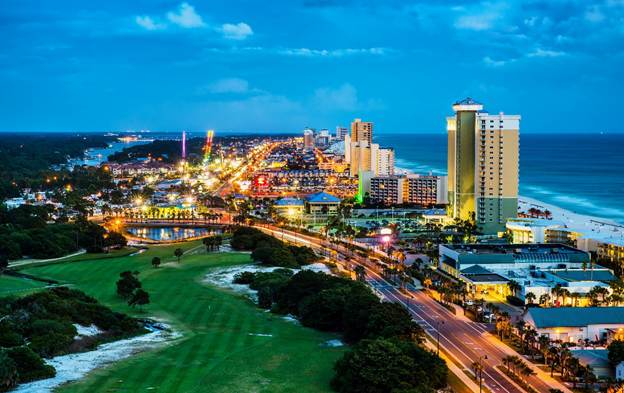
Evenings have taken on a new role as the point where all those separate daytime threads come back together. Visiting Panama City Beach makes this especially clear. Beach time, errands, rest periods, and spontaneous outings often unfold independently throughout the day. Once the evening arrives, groups look for something dependable that brings everyone into the same place with the same focus. The night no longer fills leftover time. The night completes the day.
Day Conclusion
Evening experiences now operate as the element that holds an entire vacation day in place. When travelers know the night has a good plan, daytime hours stop carrying the pressure to peak repeatedly. Mornings can remain slow. Afternoons can change direction without consequence. The day does not feel unfinished simply because it was unstructured.
Experiences that combine food, live action, and narrative perform this role particularly well. Panama City Beach dinner shows provide a built-in endpoint that people can move toward regardless of how the day unfolds. Pirates Voyage Dinner & Show functions within this structure by combining dining and entertainment into one experience that requires no additional planning once guests arrive. Groups come together with different daytime experiences behind them and leave having shared the same reactions, which allows the evening to define the memory of the day rather than compete with it.
Regroup Time
Daytime travel naturally fragments groups, especially when age ranges, interests, or energy levels vary. Parents manage logistics. Kids drift between activities. Parents step away for rest or errands. Even when people enjoy the same destination, they often experience it separately for large portions of the day.
Evenings reverse that fragmentation without requiring negotiation. A defined nighttime experience removes the need to coordinate preferences or timing. Everyone knows where to be and when. The regrouping happens automatically because the structure already exists. The result feels intentional without requiring effort, which strengthens the sense of traveling together rather than merely occupying the same place.
Local Identity
Destinations increasingly communicate their character through nighttime programming rather than daytime options. Beaches, shops, and outdoor activities often look similar across regions, which makes them less distinctive over time. Evening experiences rely on pacing, sound, movement, and atmosphere, elements that are harder to replicate and easier to associate with a specific place.
Night events leave a clearer impression because they engage attention fully and simultaneously. Lighting, music, timing, and audience interaction work together to shape how visitors describe a destination afterward. Many travelers remember where they were at night more vividly than where they walked during the day, which makes evening experiences central to how a location defines itself.
Reduced Daytime Pressure
Strong evenings remove pressure from the rest of the itinerary. Travelers no longer feel compelled to justify their time by constant activity. Skipped plans stop feeling like missed opportunities because the day still leads somewhere meaningful.
This reduction in pressure changes how people move through a vacation. Flexibility becomes an asset rather than a compromise. Time spent resting, wandering, or adjusting plans feels valid because the evening provides a sense of completion. The trip feels cohesive even when the daytime hours remain loose.
Sustainable Energy
Nighttime energy supports participation without exhaustion. After a full day, most travelers want stimulation that does not require physical effort or constant decision-making. Evening entertainment meets that need by offering engagement through observation, reaction, and shared attention.
Live performances, music-driven shows, and structured dinner experiences allow people to stay involved without managing logistics. The energy feels celebratory without feeling demanding. Groups remain present without being pushed beyond their limits, which allows nights to feel lively while still respecting how people actually experience fatigue during travel.
Dinner Plus
Evenings increasingly succeed when meals stop functioning as logistical pauses and start operating as part of the experience itself. Traditional vacation dinners often interrupt momentum because they introduce new decisions, waiting periods, and coordination challenges at a point in the day when energy is already uneven. When dining is separated from entertainment, groups must reset expectations and attention twice in one evening.
Dinner-based evening experiences remove that friction by collapsing multiple needs into a single structure. Eating, watching, and reacting happen simultaneously, which keeps groups engaged without requiring transitions. This consolidation matters because evenings now serve as the point of convergence for travel groups.
Memory Weight
Travel memories tend to organize themselves around moments that feel shared and contained. Daytime activities often blur together because they happen in fragments and across different levels of participation. One person swims. Another rests. Someone else runs an errand. The day becomes a collection of parallel experiences rather than a single narrative.
Evenings operate differently. Everyone is present. Attention is aligned. Reactions happen in real time and reinforce one another. This alignment gives nighttime experiences greater memory weight. Travelers often recall how an evening unfolded more clearly than what they did earlier that same day, not because it was louder or bigger, but because it was unified.
Weather Stability
Daytime travel plans remain vulnerable to environmental variables that are increasingly difficult to predict. Heat, storms, wind, and sudden changes in conditions can disrupt outdoor activities with little warning. This unpredictability forces travelers to remain flexible, which can undermine attempts at structured daytime planning.
Evenings provide stability that daytime hours cannot consistently offer. Indoor or controlled nighttime experiences function independently of weather conditions, giving travelers something reliable regardless of how the day unfolds. This reliability increases the perceived value of evenings because they offer certainty in an otherwise fluid schedule.
Social Reset
Evenings also perform a social reset that daytime activities rarely accomplish. Conversations resume. Shared reactions create common ground. Small tensions that may have built throughout the day often dissipate once everyone is seated and focused on the same experience.
This reset strengthens group cohesion over the course of a trip. Instead of carrying unresolved dynamics from one day into the next, evenings offer closure. The group ends the day together, which stabilizes expectations and emotional tone moving forward. Over multiple days, this pattern reinforces the sense that the trip is shared, even if individual experiences differ during daylight hours.
Vacation evenings have become the main event because they now perform the work that daytime hours no longer reliably handle. They anchor fragmented schedules, reunite dispersed groups, and provide structure without demanding rigidity. As travel becomes more flexible and individualized, evenings supply the cohesion that keeps trips from feeling scattered. Strong nighttime experiences reduce pressure on the rest of the itinerary, support sustainable energy levels, and create the moments that travelers remember most clearly.










Leave a Reply