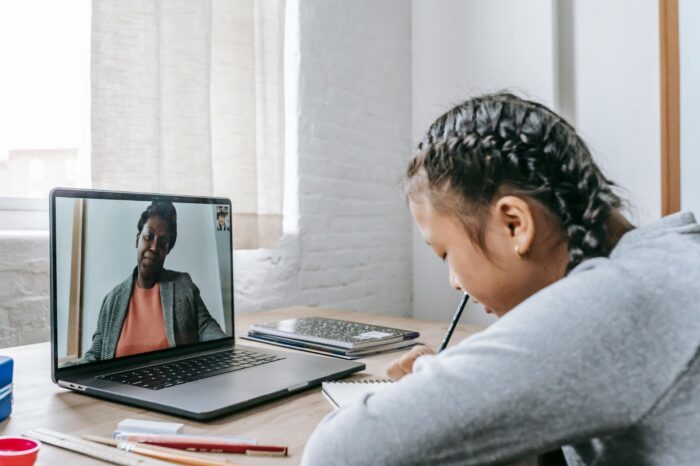
If you’re a parent of a middle or high school student, you’ve likely noticed a shift in how learning feels today. Classes move fast. Expectations feel higher. And a single low grade can spiral into stress for the whole family. That’s why many parents are rethinking what tutoring is for. Instead of using it as a last-minute fix for grades, they’re choosing online tutoring as a way to help their children build skills that last, skills that support confidence, independence, and long-term academic success. This isn’t about doing more. It’s about doing what actually helps your child thrive.
The Limits of Grade-Only Tutoring
Traditional tutoring often focuses on one immediate goal: improving a grade. While that can help in the short term, it doesn’t always address why a student is struggling. Common issues parents report include:
- Understanding material for a test, then forgetting it weeks later
- Relying on tutors to “get through” assignments
- Feeling constant pressure to keep grades up without learning how to manage workload
Over time, this can create a cycle of dependency and burnout. Grades might improve temporarily, but stress stays high, and confidence doesn’t.
What Is Skill-Based Learning?
Skill-Based Learning is a term used to describe the developing targeted abilities and competencies that can be directly applied to real-word tasks and professional roles. This approach is seen as positive to many people because it helps with learning on practical, hands-on training, which can equip individuals with the precise skills needed to be a successful professional. It’s way more than just knowledge, it’s also about learning how to do, to make sure that learners can immediately put their new skills into action.
“Skill-Based Learning turns knowledge into capability. It goes beyond traditional learning by reinforcing key areas and supporting learners as they build proficiency—while gaining real experience along the way” – Tatiana Rivera, Clinical Social Worker.
Why Online Tutors Are Especially Effective for Skill Building
Online tutoring isn’t just a digital version of in-person help. For many families, the format itself supports deeper learning. Here’s why it works well for skill-based learning:
- Personalization: Online tutors can focus sessions on how a student studies, plans, and approaches challenges, not just what’s on the test.
- Consistency: Regular sessions from home reduce scheduling stress and make it easier to build habits over time.
- Digital fluency: Students practice communicating, organizing files, and working independently in the same digital environments they’ll use in school and college.
For students who already spend much of their academic life online, this approach often feels more natural and less intimidating. And when it comes to online learning, sites have played part in this change, since they provide job-relevant courses that cost much less than a traditional degree, making it easier for people to learn new skills or switch careers if needed.

Skills Students Commonly Build with Online Tutors
Parents are often surprised by how much growth happens outside of academics. Common skill areas include:
- Executive function: planning, prioritizing, and breaking down large assignments
- Study strategies: note-taking, test prep, and review methods that actually stick
- Confidence: asking questions, explaining thinking, and learning from mistakes
- Independence: managing deadlines without constant reminders
These skills tend to show up everywhere, better classroom participation, less homework conflict at home, and more resilience when school gets challenging. Considering online tutoring can bring many benefits to students, as it is highlighted by Mathias Neves, Head of Editorial at Learner. “One-on-one tutoring allows educators to tailor their teaching methods to each student’s unique learning style, pace, and preferences. This personalized approach enables students to engage deeply with the material, ask questions without hesitation, and receive immediate feedback—a combination that significantly enhances the learning process.”

When Online Tutoring Makes Sense for Your Child
Online tutoring isn’t only for students who are “behind.” Many families explore it during moments of transition or stress, such as:
- Moving from middle school to high school
- Taking on honors, AP, or IB coursework
- Recovering from academic burnout
- Preparing for college-level expectations
If your child is capable but overwhelmed, or doing “fine” but lacking confidence, skill-focused tutoring can be a supportive middle ground.
Frequently Asked Questions About Online Tutoring
Is online tutoring as effective as in-person tutoring?
For many students, yes, especially when the focus is on skills and habits. Effectiveness depends more on consistency and fit than location. Tutoring locations at Art Smart are vast and is catered to your lifestyle.
What age is best for skill-based tutoring?
Middle school is a common starting point, but high school students often benefit the most as academic demands increase. But in general, one-to-one tutoring can start with young children (pre-school aged).
How often should a student meet with an online tutor?
Most families find that once or twice a week allows enough time to practice skills between sessions without adding pressure.
Can online tutoring help with college readiness?
Yes. Skills like time management, self-advocacy, and independent learning are foundational for college success and scholarship competitiveness.
A Thoughtful Next Step
Online tutoring doesn’t have to be a response to a disappointing grade or a stressful semester. For many families, it’s a proactive way to support how a student learns, not just what they learn. By focusing on skills like organization, independence, and confidence early on, students are often better prepared for future academic demands.
When learning challenges are addressed with a long-term perspective, the path toward college readiness and future opportunities can feel more manageable for both students and parents. The goal isn’t to rush ahead, but to build a strong foundation that supports steady, sustainable growth over time.
References:
New Jersey Institute of Technology. “Skills Based Learning” https://ldi.njit.edu/skills-based-learning
Acacia University. “The Rise of Skill-Based Education: Moving Beyond Traditional Degrees” https://acacia.edu/blog/the-rise-of-skill-based-education-moving-beyond-traditional-degrees/
Alquila USM
https://aquila.usm.edu/jetde/vol18/iss2/5
Private tutoring and traditional classes: A comparison of students’ learning achievements in chemistry – ResearchGate










Leave a Reply