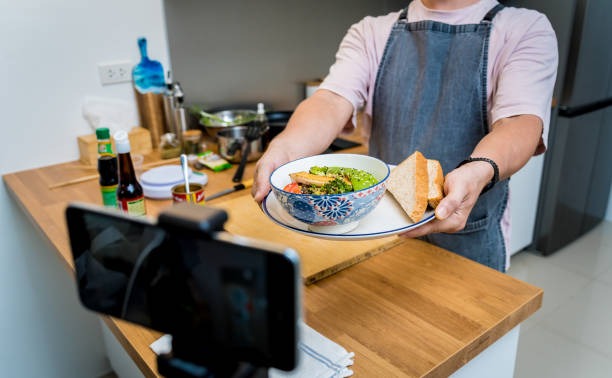
A perfect pasta pour looks great on screen, but a well-timed drum roll makes viewers stop scrolling. Food videos compete with countless other clips every day. The ones that win attention usually give viewers something to feel, not just something to see.
Sound buttons give food bloggers an easy way to add that feeling. A ding marks a finished step, a vine boom lands a surprise twist, and applause celebrates the final plate. These short sounds add humor, rhythm, and personality without any extra filming. A simple recipe suddenly feels like a show.
Why Do Recipe Videos Need More Than Good Food?
Most recipe videos follow the same pattern. Ingredients go in, the camera zooms in, and the dish comes out. Viewers have seen that formula many times, so even beautiful food can feel predictable. Creators need small touches that make their videos stand out.
Sound is one of the fastest ways to add that personality. A funny or dramatic sound turns an ordinary step into a memorable moment people share. For food bloggers who want their recipe videos to feel more entertaining, free soundboards like soundbuttonslab.com offer sound buttons, meme sounds, and sound effects that make adding a ding, a pop, or a vine boom quick and easy for YouTube and TikTok videos. Testing a few sounds before editing takes minutes, not hours of searching.
Sound also builds a recognizable style. When a blogger uses the same reaction sound for every taste test, viewers start expecting it. That signature moment becomes part of the brand, much like a catchphrase.
How Does Sound Change the Way People Experience Food?
Sound shapes how we taste. In a well-known experiment by Massimiliano Zampini and Charles Spence, people bit into potato chips while hearing their own crunch through headphones. When the researchers made the crunch louder or boosted its higher frequencies, people rated the chips as crisper and fresher.
That finding matters for food creators. Viewers cannot taste the dish on screen, so their ears do part of the work. A crisp crunch, a sizzle, or a satisfying pop helps them imagine the texture. Fun sound effects add another layer, telling viewers how to feel about each moment, from excitement to laughter.
Which Sound Buttons Fit Recipe Videos Best?
Each part of a recipe video has its own mood. Matching the sound to that mood keeps the video fun without feeling random. These four moments are perfect for sound:
Step-by-Step Prep
A quick ding after each finished step gives the video a clean rhythm. Viewers can follow along more easily when each stage has a clear end. It also makes fast-cut videos feel organized, not rushed. A soft pop works well when adding ingredients.
The Big Reveal
A drum roll before lifting a lid or slicing a cake builds suspense. Viewers lean in to see the result. When the reveal lands, applause or a cheer adds a satisfying finish. Hold the shot for a second so the sound and the visual land together.
Kitchen Fails
Burnt toast, spilled flour, and collapsed cakes happen to everyone. A sad trombone or a bruh sound turns a mistake into a laugh. Sharing fails with humor makes creators feel more relatable and real. Viewers often enjoy the honest moments as much as the perfect ones.
Taste Test Reactions
The first bite deserves a reaction. A wow sound, a cheering crowd, or a dramatic vine boom matches the creator’s face. Keep the sound short so the real reaction still shines through. A sound that fits the face doubles the effect.
How Should Food Bloggers Time Sound Effects?
Timing decides whether a sound feels clever or clumsy. A ding that lands half a second late makes a smooth edit feel off. Most editing apps, including CapCut and Premiere Pro, let you zoom in on the timeline to place sounds precisely.
Line each sound up with a clear visual moment, like a knife hitting the board or a lid lifting. Play the clip several times at full speed to check the feel. Keep sound effects slightly quieter than your voice, so instructions stay clear. If a sound covers an important step, move it or cut it. The recipe should always stay easy to follow.
How Do Sounds Fit Different Recipe Video Styles?
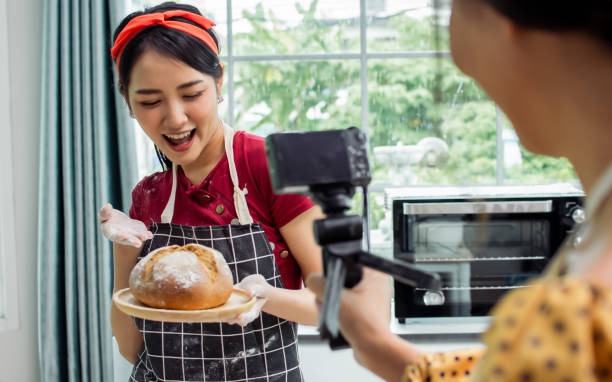
Not every recipe video needs the same amount of sound. Short clips on TikTok, Instagram Reels, and YouTube Shorts move fast, so playful sounds fit their quick pace. A few meme sounds can carry a fifteen-second video from start to finish.
Longer YouTube tutorials need a lighter touch. Viewers watching a twenty-minute recipe want clear instructions more than constant jokes. Use sounds at key moments, like transitions or the final reveal. Calm, cozy cooking channels may skip silly sounds entirely and rely on natural kitchen sounds instead. The right amount depends on the creator’s style and audience.
What Mistakes Should Food Bloggers Avoid With Sound Effects?
Sound effects can lift a recipe video or bury it. A few common slips cause most of the trouble. Watch out for these:
- Covering natural sizzles and crunches that viewers love to hear.
- Adding a sound to every single cut.
- Using silly sounds that clash with a calm or cozy video style.
- Forgetting to check usage rights before monetizing a video.
Good sound choices support the food rather than compete with it. When each effect has a clear purpose, the video feels polished and fun. Viewers are more likely to stay longer, laugh more, and remember the recipe.



Leave a Reply