
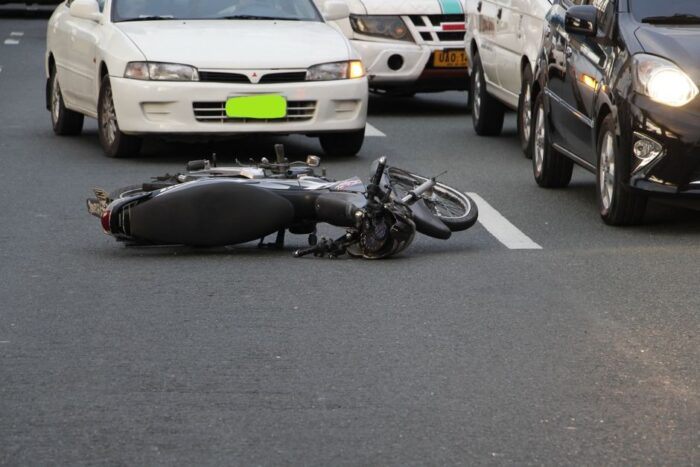
A motorcycle crash can turn a normal ride through Stockton into a legal, medical, and financial mess within minutes. You may be dealing with road rash, a wrecked bike, missed school or work, and an insurance company that starts calling before you’ve even processed what happened. If you ride in San Joaquin County, it helps to know how fault, evidence, and local traffic conditions can shape your next move and protect your claim.
Be careful with insurance conversations from the start
Insurance adjusters often sound friendly, organized, and helpful. That doesn’t mean their priorities match yours. In motorcycle cases, insurers may lean on stereotypes and try to frame you as reckless before the evidence is fully reviewed. Speeding accusations, helmet questions, and comments about lane positioning can show up early.
You don’t have to give a polished statement on the spot. Stick to basic facts, avoid guessing, and don’t downplay your symptoms just because you want the call to end. If you haven’t finished treatment, it’s usually too early to know what the crash will really cost you.
This is where legal support can change the pressure dynamic. If you need help evaluating liability, damages, and negotiation strategy, a Stockton motorcycle accident lawyer may step in before the insurer locks the narrative around your case.
Understand how Stockton crash conditions affect your case
Stockton isn’t just another city on a map when you’re looking at a motorcycle injury claim. Local traffic patterns, road design, and driver behavior all matter. Busy corridors near I-5, Highway 99, and Crosstown Freeway ramps can create fast lane changes, blind merges, and rear-end risks that hit riders harder than drivers in enclosed vehicles.
You also have to think about surface hazards. Potholes, loose gravel, uneven pavement, and poor visibility near intersections can become major evidence points. California claims often turn on whether the danger came from a careless driver, a road defect, or both. If your crash happened near a commercial area or major intersection, surveillance footage and witness accounts may disappear quickly. Early action matters more than most riders expect.
Get medical care even if the injury seems manageable
Right after a crash, adrenaline can hide a lot. You might feel shaken up, sore, or embarrassed, but not seriously hurt. Then a day later, your neck locks up, your wrist swells, or you start getting headaches that won’t go away. That pattern is common in motorcycle collisions, especially with soft tissue injuries, concussions, knee trauma, and internal bruising.
Medical records do more than support your recovery. They create a timeline that connects the crash to your injuries. If you wait too long, insurers may argue that something else caused the pain. Go to urgent care, the ER, or your primary doctor, then follow through with imaging, follow-up visits, and physical therapy if recommended.
Keep copies of discharge papers, prescriptions, and work restrictions. If you’re a student, save anything showing missed classes or reduced activity. The practical fallout from injury is part of the damage picture too.
Preserve evidence before it gets cleaned up, deleted, or lost
The strongest motorcycle claims usually have details, not guesses. Photos from the scene can show skid marks, debris, vehicle positions, broken gear, weather conditions, and lane layouts. Take close-up shots and wider angles if you can do it safely. If you can’t, ask someone else to help.
Your helmet, jacket, gloves, boots, and damaged bike parts may become important physical evidence. Don’t repair or throw anything away too soon. The damage pattern can tell a clearer story than a verbal statement ever could. If police responded, get the report number and later request the report.
It also helps to document your recovery. A simple notes app can track pain levels, sleep problems, missed shifts, follow-up appointments, and daily tasks you can’t handle normally. Small details, recorded early, tend to carry more weight than reconstructed memories months later.
Learn how California fault rules can reduce your payout
California uses comparative negligence, which means you can still recover damages even if you were partly at fault. The catch is that your compensation may be reduced by your percentage of responsibility. That creates a major fight over details in many motorcycle cases.
Maybe a driver turned left in front of you, but the insurer claims you were going too fast. Maybe you changed lanes to avoid road debris, and now they argue you created the collision. Those arguments affect settlement value in a real way. Fault isn’t always obvious just because one version sounds familiar.
Your damages may include medical bills, lost wages, bike repair or replacement, future treatment, and pain and suffering. If the injuries affect your mobility, concentration, or ability to work, those long-term effects should be evaluated carefully. Fast settlements often leave out the losses that show up later.
Watch for legal issues unique to motorcycle injury claims
Motorcycle crashes tend to produce severe injuries with less visible margin for error. That changes how cases are investigated. Helmet use, protective gear, training history, bike maintenance, and vehicle visibility may all come up. Even when a rider did many things right, the defense may still look for technical points to shift blame.
There’s also a public perception problem. Some people assume motorcycles are inherently reckless, which can leak into witness impressions, adjuster evaluations, and even jury attitudes. Strong evidence helps counter that bias. So does a clear explanation of what actually happened second by second.
Timing matters too. California’s statute of limitations can bar claims if you wait too long, and cases involving public entities may trigger shorter deadlines. If dangerous road design, poor signage, or neglected maintenance played a role, the process gets more complex fast. You need the facts preserved before they fade.
Build a recovery plan that covers more than the crash itself
A crash affects more than your medical chart. You may lose transportation, miss work, delay school plans, or stop doing regular activities because your body just won’t cooperate. Recovery has a financial side, but it also has a logistical and emotional side that people often ignore until it becomes overwhelming.
Start by organizing everything in one place: bills, repair estimates, insurance emails, pharmacy receipts, appointment records, and photo evidence. Create a basic timeline of the crash and what happened after. That kind of structure helps whether you handle an insurance claim directly or work with legal counsel.
Most of all, don’t treat the aftermath like a problem you need to minimize for everyone else’s comfort. Motorcycle injuries can reshape months of your life. If you take your medical care, evidence, and legal options seriously from the start, you give yourself a much better shot at a fair outcome instead of a rushed one.










Leave a Reply