
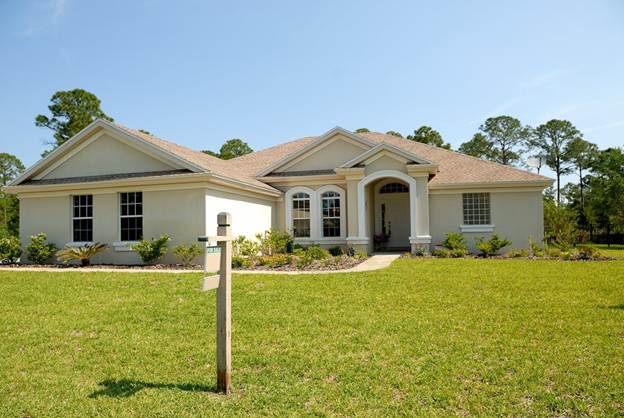
Your home’s exterior does more than create a good first impression. It shields the structure from rain, humidity, wind, and temperature swings while supporting energy efficiency and indoor comfort. When siding begins to fail, moisture can creep behind the walls, insulation loses effectiveness, and repair costs rise quickly. That is why choosing between vinyl, fiber cement, and wood is not simply about color or texture. It is a long-term decision that affects maintenance demands, resale value, and even utility bills.
Many homeowners focus on appearance first, which makes sense. Curb appeal matters. Still, performance should carry equal weight. Modern exterior systems include layered components such as house wrap, flashing, and insulation boards. If any part is installed incorrectly, water can become trapped, leading to rot or mold. In regions with heavy rainfall, seasonal storms, or humid summers, proper installation becomes even more critical.
Understanding the Complexity of Modern Exterior Installation
At first glance, replacing siding may look straightforward. Panels come off, and new ones go on. In reality, the process requires careful preparation and structural inspection. Contractors must check for hidden rot, repair sheathing, and properly seal windows and doors before installing new materials. Even a small oversight can compromise the protective barrier that keeps water and air where they belong.
If you’re planning a full exterior upgrade, partnering with a trusted siding replacement company can make the process far more manageable. Experienced professionals handle everything from removing damaged panels to installing moisture barriers and insulation with efficiency and precision. While a handy homeowner can patch a loose panel or replace a damaged board, a full replacement requires technical expertise to ensure the entire system functions properly, improving energy performance and preventing long-term structural damage.
The Versatility and Affordability of Vinyl Siding
Vinyl remains one of the most popular exterior materials for a reason. It offers an accessible price point without sacrificing style. Manufacturers produce it in a wide range of colors, textures, and profiles, including options that resemble traditional wood grain. Because the color runs through the material, it resists fading and does not require repainting.
Maintenance is simple. Homeowners can clean vinyl with a garden hose and mild soap to remove dirt or mildew. It also resists insects and moisture better than untreated wood. However, quality matters. Thicker panels generally perform better and withstand impact more effectively, making them a smarter long-term investment.
The Durability and Fire Resistance of Fiber Cement
Fiber cement siding combines cement, sand, and cellulose fibers to create a dense, durable product. This composition makes it resistant to rot, pests, and moisture damage. It performs especially well in humid or coastal climates where constant exposure to damp air can weaken other materials. Many homeowners choose it for its reputation for longevity.
Another major advantage is fire resistance. Unlike wood, fiber cement does not ignite easily, which adds an extra layer of protection in areas prone to high heat or wildfires. Although installation costs tend to be higher due to its weight and specialized handling, its durability often offsets those upfront expenses over time.
The Timeless Aesthetic and High Maintenance of Natural Wood
Wood siding delivers a warmth and authenticity that many homeowners still prefer. It works especially well on historic properties, cottages, and craftsman-style homes where architectural detail matters. Wood can be painted or stained in almost any color, giving you flexibility if you like to refresh your home’s look over time.
That beauty comes with responsibility. Wood requires routine sealing or painting to protect it from moisture and insects. In humid or rainy climates, neglect can quickly lead to rot or warping. If you enjoy hands-on upkeep and value traditional character, wood can be rewarding. If not, the maintenance schedule may feel demanding.
Cost vs. Longevity: Comparing Long-Term Return on Investment
Upfront cost often drives the first round of decisions. Vinyl typically offers the lowest installation price, making it attractive for budget-conscious homeowners. Wood falls somewhere in the middle, depending on the species, while fiber cement usually has the highest initial investment due to its material weight and labor requirements.
Long-term value tells a fuller story. Vinyl saves money on maintenance but may not last as long as fiber cement in harsh climates. Wood can increase resale appeal in certain neighborhoods but requires ongoing upkeep costs. Fiber cement often delivers strong durability with fewer maintenance expenses over time. The best return depends on how long you plan to stay in the home.
Climate Considerations: Matching Materials to Your Environment
Climate plays a major role in performance. Vinyl handles moderate weather well but can become brittle in extreme cold or warp under intense heat if lower-grade materials are used. Choosing higher-quality panels helps reduce those risks, but location still matters.
Fiber cement performs consistently in humid, coastal, and storm-prone regions because it resists moisture and impact. Wood can succeed in drier climates when properly sealed, yet it struggles in areas with persistent humidity or heavy rainfall. Before choosing a material, think about your local weather patterns and how much exposure your home receives throughout the year.
Signs It’s Time to Upgrade Your Home’s Exterior
Visible damage often provides the first warning. Look for cracked panels, loose boards, peeling paint, soft spots, or swelling near seams. These issues allow moisture to enter and may signal deeper structural concerns.
You may also notice rising energy bills or drafts near exterior walls. Failing siding can reduce insulation performance and compromise the protective barrier behind it. If repairs become frequent or storm damage keeps recurring, replacement may be more cost-effective than continued patchwork. Addressing these signs early can prevent more extensive and expensive structural repairs.
Choosing the Right Fit for Your Home
Each material offers clear advantages. Vinyl stands out for affordability and low maintenance. Fiber cement delivers durability and fire resistance with strong, long-term performance. Wood provides unmatched natural character but demands consistent care.
The right choice depends on your budget, climate, and willingness to maintain the exterior over time. If you prefer minimal upkeep, vinyl or fiber cement may suit you best. If architectural authenticity matters most and you do not mind regular maintenance, wood can be worth the effort. Choose the option that aligns with both your lifestyle and your long-term plans for the home.








Leave a Reply