
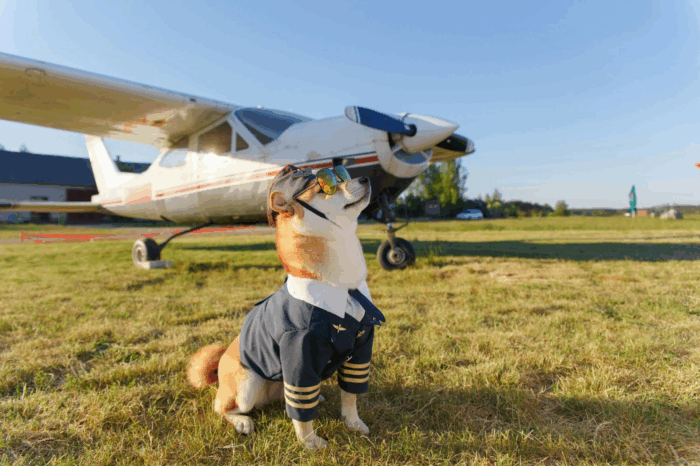
Taking a trip with a dog rarely goes exactly as planned. One minute you’re laughing at their floppy ears in the wind; the next, you’re digging under a pile of clothes for the leash, realizing the water bowl stayed on the counter, or wrestling with a crate latch that won’t click. There’s also the extra pit stop because your dog insists on sniffing every lamppost, the muddy pawprints on the back seat, and that panicked search for vaccination papers at the last minute.
Those small, very human headaches are exactly why you need the right travel-friendly accessories. But before we go into what these travel essentials are, let’s address a few important questions, starting with…
Why Do the Right Accessories Matter?
A “short” car ride feels like nothing to you, but to your dog, it can be a marathon of confusion. The windows whoosh down, new scents roll in, and suddenly the seat becomes a stage for whining, drooling, or that dramatic paw-on-your-arm move.
That’s why packing the right gear matters. They help the drive feel lighter, your dog relaxes faster, and you get to focus on the actual adventure instead of managing chaos. It’s less about being overly prepared and more about giving yourself some breathing room once you’re on the move.
1. Choosing Accessories That Fit Your Pup’s Needs
Size, breed, and temperament should decide what you pack. A tiny dog that loves havens will want a soft carrier. A large dog, like a big retriever, needs space to stretch, so a larger secure crate or a sturdy seat or harness would be better.
Also, think about your mode of travel. How do you travel most—by car, plane, or train? Do you stop often? Is your dog easily startled? That will tell you what to bring and what to leave at home.
Road trips let you bring bulkier items. Flights force you to travel light, and airline rules aren’t all the same. Do one quick thing: look up the carrier dimensions your airline lists, then measure your bag or carrier at home before you buy. It saves the hassle of returning gear that won’t fit under the seat.
Safety matters too; favor products that have independent testing or clear manufacturer specs. Don’t assume labels mean safety—look for independent crash testing for car restraints.
2. Accessories That Make Travel Safer and Easier
A few practical choices can save you time and worry. Here are a few essentials that come up again and again for many dog parents on the road:
a) Comfortable Harnesses for Stress-Free Walks
A well-fitted no-pull harness changes the way you handle sudden excitement. It spreads pressure across the chest rather than the throat, and some front-clip or anti-pull designs redirect lunges.
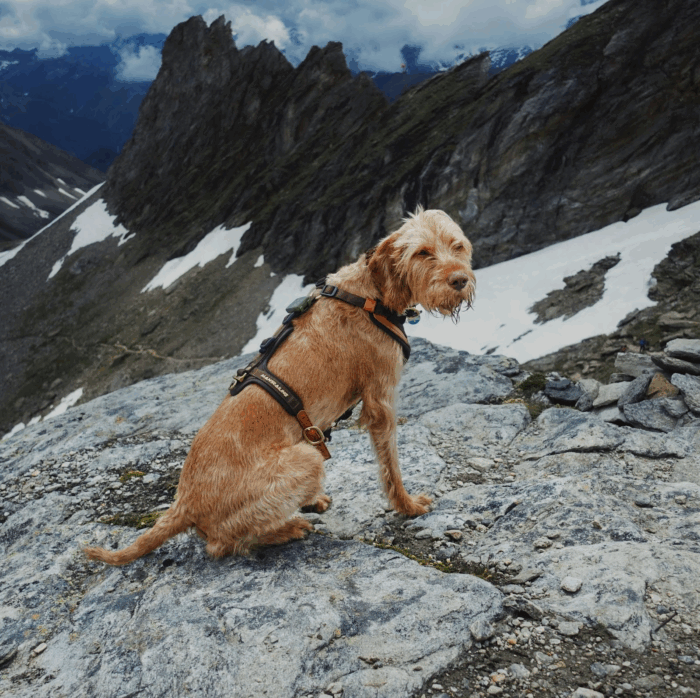
Fit matters more than brand. The harness should never stop your dog from moving the way they normally do. Straps need to lie flat and not dig in; you ought to be able to slip two fingers under the shoulder strap. Try a short, five to ten minute walk at home first — you’ll quickly see if a strap pinches or needs loosening.
And on wet sidewalks or rough trails, pop on a pair of grippy booties; they protect pads and give better traction after rain, in snow, or on hot pavement.
b) Layering Up for Weather Changes
Temperature swings are a travel reality. Short-coated dogs feel the cold faster, so a lightweight layer on crisp mornings helps. Snug little beanies are also suitable for short outings; make sure they don’t cover the ears or eyes. But switch to breathable materials when it gets warm again. Additionally, simpler solutions, such as avoiding walks during peak temperatures and keeping your pup hydrated at all times, are also important.
c) Compact Feeding Accessories
Travel feeding doesn’t have to be a hassle. Before you leave, portion meals into resealable bags (one bag per meal). Bring a compact, durable stainless steel dog bowl — it’s stable, easy to clean, and won’t retain odors like plastic can. And use a dispenser-style bottle to keep your dog hydrated. Quick to use, quick to clean, and you avoid the usual travel meltdowns.
d) Carriers, Crates, and Seat Belts
Loose dogs distract drivers and risk injury in sudden stops. So, in cars, secure your dog with a crash-rated harness or an anchored crate. The Center for Pet Safety has demonstrated that many restraints perform poorly; therefore, look for products that have been tested according to published protocols. A dog seat belt tether is another great option; it clips into most vehicles and prevents wandering during the ride.
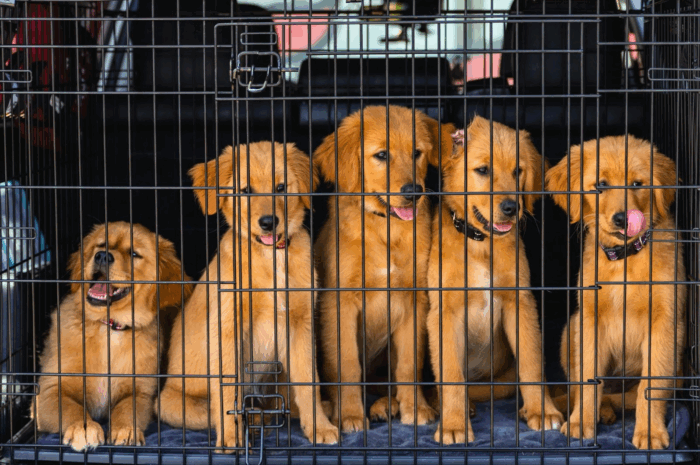
Also, ‘flight-approved’ doesn’t always mean ‘fits this flight.’ Different aircraft have different under-seat clearances. Before buying, match the carrier’s outside dimensions to your specific airline’s requirements and eyeball the ventilation openings — most crews look for airflow and secure closures.
e) Reliable Collars for Everyday Security
Choose a collar that lasts. A durable collar won’t fray or break from normal pulls, keeping your ID visible. Add a temporary tag with a reachable number and your travel stop information. Also, update microchip contact details before a multi-state or international trip. Those two steps cut the time it takes to find a lost dog.
f) Keep Your Pup Entertained on the Go
Long waits and car-idle time make dog toys a small miracle. Pick two compact favorites: a chew for comfort and a puzzle toy for slow feeding. Keep them familiar—new toys can stress some dogs. A worn blanket or a t-shirt with your scent can also provide calm when everything else is strange.
g) Grooming and Cleanup Essentials
Pack portable grooming wipes that can handle cleaning dirty paws after a trail or beach run. A small, travel-sized brush helps manage shedding and keeps fur out of the car and hotel sheets. You’ll also need more waste bags than you think, to seal any wet or messy items and store them away until you can launder them properly. Also, carry an enzyme cleaner for those accidents we all know are more than likely to happen.
To avoid muddy pawprints in your car’s trunk or cargo area, a SUV cargo liner can also help keep things clean and easy to wipe down after long trips.
h) Photo-Ready Outfits
Your dog needs to look cute in your vacation pics too! But good photos start with a comfy dog, so start simple. Try one bold bandana and a single neutral layer (a lightweight jacket or a reversible vest), so you can swap looks in seconds without fuss. Also pick pieces that contrast with the scenery, think bright colors at the beach; earthy tones on forest trails.
3) Other Travel-Friendly Tips
For flights, carry a compact health folder with printed vaccination records and a recent photo to speed ID checks. Expecting mud? Add booties and a towel. Keep a spare leash clipped to a bag. Stash a flashlight for late walks.
If your dog bolts toward wildlife, practice a short recall drill before travel; a few minutes helps. And always respond calmly as you teach them that travel is safe. After all, the best accessory is patience and a steady routine.
Conclusion
Travel should be about the view and the company, not a list of problems. Prioritize safety-tested restraints, compact comfort items, and smart hydration and food solutions. When travel gear works, the trip becomes about the walk you took, the nap in the backseat, and the memory of the sunset you watched together.










Leave a Reply