
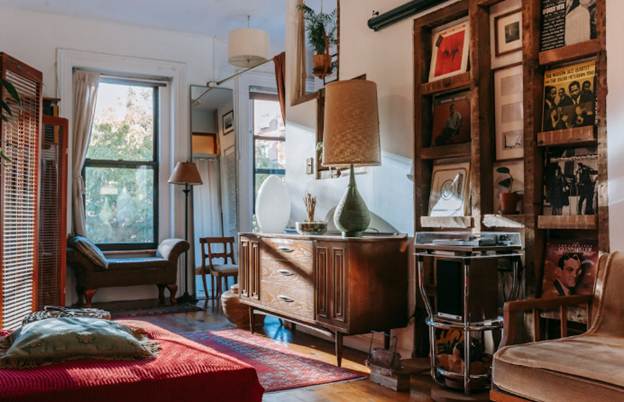
Many homeowners put off updating their interiors because it doesn’t feel urgent. Fresh paint and modern lighting often seem optional, especially if things still work. But what many don’t realize is that keeping an outdated home interior comes with costs that go beyond appearance. Old interiors also lose their resale value compared to homes with modern updates.
Beyond resale value, there are ongoing costs that show up on monthly bills and repair invoices. Old fixtures, worn-out finishes, and inefficient systems don’t just age quietly in the background. They actively make your home more expensive to run and maintain. Whether you’ve lived in your home for years or just bought a place that hasn’t been updated in a while, these hidden expenses are worth considering.
Updating your interior may feel like a big task, but knowing what’s really at stake can help you decide when and where to start. Let’s look at some of the biggest costs homeowners face when they delay those much-needed upgrades.
Higher Energy Bills from Old Fixtures and Windows
Outdated light fixtures, appliances, and heating or cooling systems use more energy than today’s options. Incandescent bulbs, old refrigerators, and inefficient furnaces all increase monthly energy costs.
All of this adds up. Even if each item only uses a little extra power, the combined effect across your entire home can mean noticeably higher energy bills throughout the year. Updating these systems isn’t just about getting new features—it’s about making sure your home runs as efficiently as possible, saving money long-term.
Another key upgrade many homeowners overlook is window replacement. Old windows often let out heated or cooled air through small gaps or single-pane glass. This forces heating and cooling systems to work harder, especially during extreme weather. Replacing windows with modern, energy-efficient ones helps lower utility bills and keeps the home more comfortable year-round.
By updating both fixtures and windows, homeowners can cut down on wasted energy and reduce costs without sacrificing comfort.
Maintenance Expenses That Never End
When a home’s interior hasn’t been updated in a long time, small repairs become a regular thing. An old faucet starts dripping. A cabinet hinge breaks. Electrical outlets stop working as they should. These issues may seem minor, but when they keep happening, the costs pile up.
There’s also the time factor. Constantly fixing things or calling professionals eats up hours that could be spent on better tasks. For many homeowners, there’s a point where it feels like they’re always fixing something small. That’s usually a sign that a larger update might save both money and effort in the long run.
A Home That’s Harder to Sell
Homebuyers today have higher expectations. Walk into any home that hasn’t been updated in 20 years, and buyers often see more work than value. Outdated flooring, countertops, or kitchen layouts make a home less appealing and harder to sell at a good price.
Even if you aren’t planning to sell soon, it’s smart to think ahead. Keeping your interior fresh protects your investment. Homes with modern finishes tend to sell faster and closer to their asking price. It’s not about chasing trends but keeping things functional and visually up-to-date.
Poor Indoor Air Quality from Old Materials
Older homes often hold onto more dust, allergens, and even harmful substances. Old carpets trap dust mites. Heavy curtains gather dust and mold spores. Some older wall paints contain chemicals that wouldn’t pass today’s safety standards.
These things can affect health, especially for people with asthma, allergies, or other respiratory issues. Even if everything looks clean, air quality might still be lower than in a home with newer materials. Improving indoor air quality is one of the less obvious but important benefits of refreshing an outdated interior.
Missing Out on Savings from Modern Features
Today’s home products offer better energy use and convenience. Smart thermostats adjust the temperature automatically. LED lights last for years without needing to be replaced. Water-saving fixtures cut down on usage without reducing comfort.
When a home stays stuck with outdated features, all those small savings get missed. Over a year, the difference might not seem big. Over five or ten years, though, the extra costs become hard to ignore. Even simple updates like swapping old light bulbs or upgrading to a smart thermostat can pay off more than expected.
Safety Hazards That Go Unnoticed Over Time
Outdated interiors don’t just look old—they can hide real safety issues. Old electrical systems might not handle today’s devices or appliances. Outlets without grounding or older wiring setups increase the risk of sparks or fires.
Flooring is another concern. Worn-out tiles, loose floorboards, or aging carpet can easily cause trips or falls. These problems may seem small at first, but they become more dangerous over time, especially in homes with children or older adults.
Some older materials like lead-based paint or asbestos in ceilings and insulation can also pose serious health risks if disturbed. Even if everything appears fine on the surface, unseen hazards could be waiting. Updating your home’s interior helps prevent these risks from turning into emergencies.
Struggling to Find Replacement Parts and Materials
When parts of your home are old, finding the right replacement pieces can be harder than expected. If a faucet or cabinet handle breaks and the model is no longer made, fixing it becomes more complicated.
Sometimes, homeowners end up having to replace entire systems just because a small part isn’t available anymore. That could mean getting a whole new sink setup or a full appliance instead of fixing a single knob.
Regular updates help avoid this problem. Using materials and fixtures that are still widely available makes repairs quicker, easier, and cheaper down the line.
An outdated home interior doesn’t just affect what your space looks like. It quietly increases costs through higher energy bills, frequent repairs, and reduced property value. It can also affect your mood, health, and safety in ways many homeowners don’t notice right away.
Keeping your interior up to date isn’t about chasing the latest trends. It’s about making sure your home works for you today while protecting its value for the future. Even small updates like new lighting, better flooring, or new windows can make a big difference.
If your home hasn’t seen an update in years, now might be a good time to take a closer look at what those hidden costs are really adding up to. Making a plan to refresh your space step by step can save you money, improve your comfort, and make sure your home stays a place you truly enjoy.










Leave a Reply