
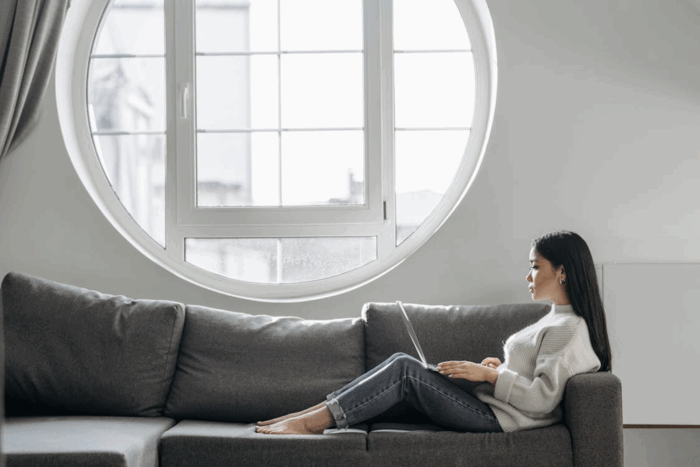
Comfort and livability define how a home feels on a daily basis. In a city like Pittsburgh with its steep hills, shifting weather, and a strong sense of neighborhood identity, homeowners often look for improvements that balance warmth, efficiency, and style. Older houses bring character, yet they also demand thoughtful updates that match modern expectations. Small upgrades can change daily routines, while larger renovations can reshape how space functions. The goal remains simple: create a home that supports relaxation, movement, and connection. The following improvements focus on practical upgrades that make everyday living smoother, more enjoyable, and better suited to real life.
1. Upgrade Insulation for Year-Round Comfort
Proper insulation plays a major role in comfort. Drafts, uneven temperatures, and rising energy bills often point to weak insulation. Homeowners can improve walls, attics, and basements with high-quality materials that reduce heat loss. This change keeps rooms warm in winter and cool in summer. It also lowers energy consumption and creates a quieter indoor environment. Sealing gaps around windows and doors adds another layer of protection. A well-insulated home feels stable and calm, regardless of the season. This upgrade delivers both immediate comfort and long-term savings without requiring major structural changes.
2. Modernize Kitchens for Function and Warmth
Kitchens often serve as the center of daily activity, especially in Pittsburgh homes where compact layouts and older designs require smart updates. Many houses feature closed-off kitchens that limit movement and natural light. A well-planned renovation can open the space, improve workflow, and introduce modern storage without losing traditional character. Local homeowners often rely on a trusted Pittsburgh remodeling company to navigate structural limits, aging materials, and design preferences unique to the area. Durable countertops, efficient appliances, and better lighting create a kitchen that supports daily use while maintaining a warm, welcoming feel that suits regional living patterns.
3. Improve Natural Lighting and Window Design
Natural light transforms how a home feels. Dark rooms can feel smaller and less inviting, while bright spaces support better mood and productivity. Replacing outdated windows with energy-efficient models allows more sunlight to enter without increasing heat loss. Larger panes, slimmer frames, and strategic placement can open up views and connect indoor areas with the outdoors. Skylights or additional windows in key rooms can make a dramatic difference. These upgrades also improve ventilation and air quality. A well-lit home feels more open, balanced, and comfortable throughout the day.
4. Create Flexible Living Spaces
Modern living requires flexibility. Homes must adapt to work, relaxation, and social time without feeling crowded. Open layouts, movable partitions, and multi-purpose furniture help maximize available space. A spare room can serve as a home office during the day and a guest room at night. Built-in storage keeps clutter under control and maintains a clean look. Thoughtful design ensures each area serves a clear purpose without sacrificing comfort. Flexible spaces allow homeowners to adjust their environment based on changing needs, which makes daily life easier and more enjoyable.
5. Upgrade Bathrooms for Comfort and Efficiency
Bathrooms play a key role in daily routines, so upgrades here can improve both comfort and efficiency. Modern fixtures reduce water usage while maintaining strong performance. Walk-in showers, improved lighting, and better ventilation create a clean and relaxing atmosphere. Heated floors add a layer of comfort during colder months. Storage solutions, such as recessed shelving and organized vanities, keep essentials within reach. A well-designed bathroom feels calm, functional, and easy to maintain. These improvements enhance both the start and end of each day, which makes them a worthwhile investment.
6. Enhance Heating and Cooling Systems
Reliable temperature control defines a comfortable home. Older systems often struggle to maintain consistent conditions, which leads to uneven heating or cooling. Upgrading to a modern HVAC system improves efficiency and performance. Smart thermostats allow precise control and adapt to daily habits. Zoned systems can adjust temperatures in different areas, which reduces energy waste. Regular maintenance also ensures optimal operation. A well-functioning system keeps every room comfortable without excessive energy use. This upgrade supports both comfort and long-term cost savings while improving overall indoor air quality.
7. Improve Flooring for Durability and Style
Flooring affects both appearance and comfort. Worn-out surfaces can make a home feel outdated and less inviting. Replacing old flooring with durable materials such as hardwood, engineered wood, or high-quality vinyl improves both look and function. Soft carpets in bedrooms add warmth, while easy-to-clean surfaces in living areas simplify maintenance. Consistent flooring throughout the home creates a cohesive feel. Proper installation ensures long-lasting results. Updated flooring not only enhances visual appeal but also supports daily comfort, making each step through the home feel more solid and secure.
8. Add Smart Home Features
Technology continues to shape how people interact with their homes. Smart systems can improve convenience, security, and efficiency. Automated lighting, smart locks, and voice-controlled devices simplify daily routines. Energy monitoring tools help track usage and identify savings opportunities. Integrated systems allow homeowners to control multiple features from a single device. These upgrades do not require major renovations, yet they deliver noticeable improvements in livability. A smart home responds to daily habits and reduces manual effort, which creates a smoother and more comfortable living experience.
9. Upgrade Outdoor Living Areas
Outdoor spaces extend the living area beyond interior walls. Patios, decks, and small garden spaces can become valuable areas for relaxation and social time. Adding comfortable seating, weather-resistant materials, and proper lighting makes these spaces more usable throughout the year. Shade structures and outdoor heaters increase comfort during changing seasons. Thoughtful landscaping can improve privacy and create a calm atmosphere. A well-designed outdoor area supports gatherings, quiet moments, and fresh air without leaving home. This improvement adds both functional space and a sense of balance.
The best home improvements focus on daily comfort, efficient use of space, and long-term practicality. Each upgrade, whether small or large, contributes to a home that feels more functional and welcoming. Thoughtful changes in lighting, layout, and systems can transform how a space supports everyday life. Homeowners who prioritize comfort and usability often see the greatest return, not just in value but in overall satisfaction. A well-improved home supports relaxation, productivity, and connection, which makes every day feel easier and more enjoyable.










Leave a Reply