
College and university life can be exciting, but it also comes with responsibilities that sometimes feel overwhelming. Academic deadlines, exams, part-time jobs, financial concerns, social expectations, and uncertainty about the future can all contribute to stress. While experiencing stress occasionally is normal, allowing it to build up can affect concentration, motivation, physical health, and academic performance. Learning how to manage stress is therefore an important part of maintaining a healthy and successful student lifestyle. Fortunately, several practical strategies can help students reduce daily pressure, develop healthier habits, and maintain a better balance between education and personal life.
What Causes Stress Among Students?
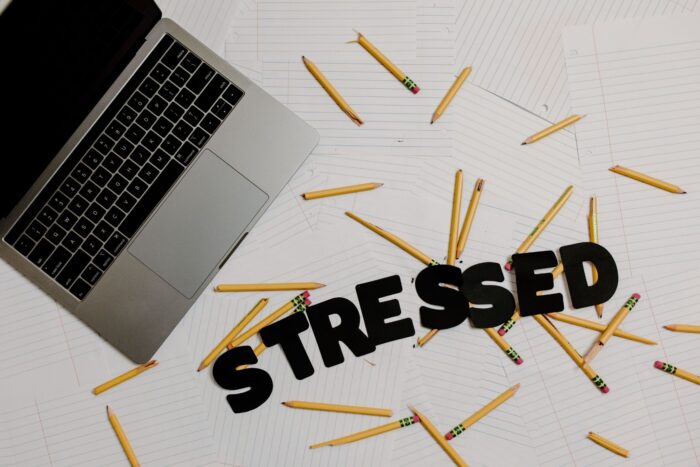
Students experience stress for different reasons, and several factors can contribute to it simultaneously. Academic pressure is one of the most common challenges. Preparing for exams, completing research papers, attending lectures, and meeting multiple deadlines can create a demanding schedule.
Financial responsibilities can also increase anxiety. Tuition fees, accommodation, transportation, and everyday expenses may require students to work part-time while studying. Combining employment with academic commitments can leave little time for relaxation.
Social factors are another possible source of stress. Moving to a new city, making friends, maintaining relationships, and adjusting to a different environment can be emotionally challenging, particularly during the first year of college.
Other common causes include:
- Fear of failing exams or receiving disappointing grades.
- Uncertainty about future career opportunities.
- Poor time management and procrastination.
- Lack of sleep and irregular daily routines.
- Family expectations and personal responsibilities.
- Limited opportunities for social interaction and relaxation.
Identifying the main sources of stress is the first step toward finding appropriate solutions.
How Can Students Balance Academic Responsibilities and Personal Life?
Students can maintain a healthier balance between academic responsibilities and personal life by organizing their schedules, setting realistic priorities, and recognizing when they need additional support. When several assignments, exams, and personal commitments overlap, managing everything independently can become exhausting. One possible solution is to seek assignment help for students by EduBirdie online when they need additional academic guidance. Accessing writing support can help students better understand assignment requirements, organize their ideas, and approach challenging tasks more confidently. Another important strategy is to create a weekly plan that includes lectures, study sessions, work commitments, exercise, and time with friends or family. Breaking large projects into smaller tasks can make deadlines feel less intimidating and prevent unnecessary last-minute pressure. Students should also learn to distinguish between urgent and less important responsibilities. Preparing for an upcoming exam may require more attention than attending an optional social event. At the same time, maintaining personal interests is essential for preventing burnout. Spending time outdoors, exercising, watching a favorite movie, or meeting friends can provide a valuable break from academic pressure. It is equally important to protect sleep and avoid studying late every night. If the workload becomes consistently overwhelming, students can contact professors, academic advisers, or university support services to discuss possible solutions. Remember that achieving a healthy balance does not mean giving equal attention to every responsibility every day. It means making thoughtful decisions about priorities while leaving enough space for rest, relationships, and personal development.
How Can Students Recognize the Signs of Excessive Stress?
Stress does not always appear in the same way. Some students become visibly anxious or irritable, while others withdraw from social activities or struggle to maintain their usual routines.
Common emotional and behavioral signs include difficulty concentrating, frequent frustration, reduced motivation, changes in attendance, and declining academic performance. Students may also experience physical symptoms such as headaches, muscle tension, stomach discomfort, and sleep disturbances.
It is important to pay attention when these symptoms become persistent or begin interfering with everyday activities. Ignoring excessive stress may make it harder to manage academic responsibilities and maintain healthy relationships.
Keeping a simple daily record of mood, sleep, and workload can help identify patterns. For example, students may notice that their stress increases before exams or when several assignments are due at the same time. Recognizing these situations makes it easier to plan ahead and introduce helpful changes.
What Are the Most Effective Stress Management Strategies for Students?
Managing stress does not require completely changing your lifestyle. Small, consistent habits can make everyday responsibilities feel more manageable.
1. Create a Realistic Study Schedule
Poor time management can make academic pressure worse. When students postpone assignments or underestimate how long tasks will take, deadlines can quickly become overwhelming.
Start by creating a weekly schedule that includes lectures, study sessions, exams, work commitments, and personal activities. Break large assignments into smaller steps, such as researching a topic, preparing an outline, writing a draft, and proofreading.
Digital calendars, planning apps, and simple checklists can help track deadlines and prioritize important tasks. It is also useful to leave some flexibility in your schedule for unexpected responsibilities.
Avoid planning every minute of the day. A realistic timetable should include breaks and enough time for sleep and relaxation.
2. Practice Mindfulness and Breathing Exercises
Mindfulness can help students become more aware of their thoughts and emotions without immediately reacting to stressful situations. It does not require special equipment or a significant time commitment.
One simple technique is controlled breathing. Find a comfortable position, relax your shoulders, and take slow, steady breaths. Focus on the movement of your breathing for a few minutes.
Other activities include guided meditation, visualization, mindful stretching, and writing down things you appreciate. Students can practice these techniques before exams, after demanding lectures, or whenever they need a short mental break.
Even a few minutes of mindfulness may help restore focus and create a calmer transition between academic tasks.
3. Stay Physically Active
Physical activity is another useful way to manage everyday stress. Exercise can improve mood, reduce physical tension, and support better sleep.
Students do not need to spend hours at the gym to benefit from movement. Walking between classes, cycling to campus, dancing, swimming, or doing short home workouts can all contribute to a more active routine.
Taking movement breaks during long study sessions is particularly helpful. Standing up, stretching, or going outside for a short walk can provide a refreshing change of environment.
Choose activities that you genuinely enjoy. Maintaining a consistent routine is usually easier when exercise feels like something positive rather than another obligation.
4. Maintain Healthy Sleep Habits
Sleep plays an important role in memory, concentration, emotional regulation, and overall well-being. However, students often sacrifice rest to finish assignments, prepare for exams, or participate in social activities.
Developing a consistent bedtime routine can help improve sleep quality. Try to go to bed and wake up at approximately the same time each day, reduce screen use before bedtime, and create a comfortable sleeping environment.
Avoid relying on excessive caffeine to stay awake during long study sessions. Although it may temporarily increase alertness, consuming too much caffeine, particularly later in the day, can interfere with sleep.
Getting enough rest can make it easier to concentrate, solve problems, and respond calmly to everyday challenges.
5. Build a Supportive Social Network
Students should not feel that they have to deal with every challenge independently. Talking to friends, family members, classmates, or trusted university staff can help reduce feelings of isolation.
Study groups can also provide emotional and academic support. Discussing difficult subjects with classmates may make assignments easier to understand and help students realize that others experience similar challenges.
It is equally important to communicate personal limits. If social commitments or additional responsibilities become overwhelming, it is reasonable to decline invitations and prioritize your well-being.
When stress becomes difficult to manage alone, university counseling services or qualified mental health professionals can provide additional guidance.
6. Make Time for Hobbies and Personal Interests
Academic responsibilities should not take up every part of the day. Hobbies provide an opportunity to relax, express creativity, and enjoy activities that are not connected to grades or deadlines.
Students can try cooking, photography, reading, gardening, playing music, or exploring new places. Joining a university club or participating in volunteer activities can also create opportunities to meet people and develop new interests.
The most important thing is to choose activities that feel enjoyable rather than turning relaxation into another task to complete.
Even setting aside 20–30 minutes for a favorite hobby can help create a healthier balance between academic work and personal life.
When Should Students Seek Professional Support for Stress?
Occasional stress is a normal response to challenging situations, but persistent or severe symptoms should not be ignored. If anxiety, low mood, sleep problems, or physical complaints interfere with everyday activities, professional support may be beneficial.
Most colleges and universities provide counseling services, student wellness programs, or referrals to qualified specialists. Students can also contact healthcare professionals outside their educational institutions.
It is particularly important to seek help when stress leads to ongoing isolation, significant changes in eating or sleeping habits, an inability to complete everyday tasks, or feelings of hopelessness.
Talking to someone does not mean that a student has failed to manage their responsibilities. Professional guidance can help identify underlying issues and develop appropriate coping strategies.
Conclusion
Stress is a common part of student life, but it does not have to control everyday experiences. Creating a realistic study schedule, practicing mindfulness, staying physically active, getting enough sleep, and maintaining supportive relationships can all help reduce academic pressure. Students should also make time for hobbies, set reasonable expectations, and seek professional guidance when necessary. Developing healthy stress management habits during college can improve academic performance, support emotional well-being, and provide valuable skills for handling challenges beyond graduation.










Leave a Reply