
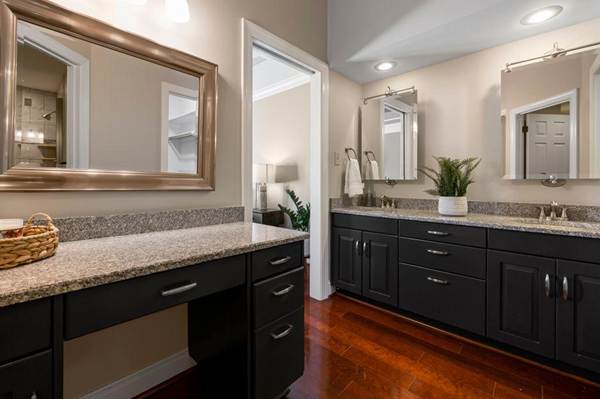
Small home problems have a sneaky way of eating up your time. A bathroom that’s hard to clean, an entryway that becomes a shoe avalanche, or a kitchen that always feels crowded can make your whole day feel more chaotic. The good news is you usually don’t need a giant makeover to feel a big difference. A few smart updates can help your home run smoother, look better, and feel less like it’s plotting against you before breakfast.
Why small fixes matter
When your home works well, everyday tasks feel lighter. You spend less time fighting clutter, cleaning awkward spaces, or stepping around things that never seem to have a proper spot. That’s why practical upgrades matter more than people think.
If you’re looking at changes in bathrooms, showers, tubs, or other high-use areas, working with a skilled team of professionals like the one at Quality Craftsmen makes sense because you’re not just changing how a room looks. You’re partnering with experienced professionals who prioritize precision, quality workmanship, and long-lasting results in every detail.
A better setup can mean easier cleaning, better storage flow nearby, and fewer daily frustrations.
Think of it like this. Your home doesn’t need to be fancy to feel organized. It just needs to stop making simple things harder. A shower that’s easier to wipe down or a layout that gives you more breathing room can save time every single week. Those small wins add up fast, and your future self will probably want to send a thank-you card.
Start with problem spots
Before you make any changes, pay attention to the places that annoy you most. Not the places you wish looked fancy in photos. The spots that actually make daily life harder. Those are the best places to begin.
Your entryway is a classic troublemaker. If backpacks, shoes, keys, and mail land there in one messy pile, that area is asking for help. Bathrooms are another big one. If the counter is always crowded or the shower feels impossible to keep clean, that’s not just annoying. It slows you down.
Kitchens can also hide a lot of stress. Maybe you don’t have enough useful storage, or maybe the layout makes cooking feel like a weird little obstacle course. Even corners matter. Hard-to-reach areas that collect dust and mystery crumbs tend to create more cleaning work than they should.
A simple test helps. Walk through your day and notice where you pause, squeeze around something, or mutter, “Why is this like this?” That’s your clue. Those are the spaces where small improvements can do the most heavy lifting.
Choose upgrades that help
Once you know your pain points, pick upgrades that actually support the way you live. This is where function gets to be the hero, cape and all. You want changes that make the room easier to use, easier to clean, and easier to keep organized.
In bathrooms, easy-clean surfaces can be a huge relief. Less scrubbing means less groaning on Saturday morning. A shower update can also help if your current setup feels cramped, old, or hard to maintain. Better fixtures and smarter layouts can make the room feel calmer without needing a full-blown luxury spa budget.
In kitchens, think about what makes daily tasks smoother. Better cabinet use, more open counter space, or storage that keeps everyday items within reach can make a big difference. You don’t need dozens of fancy gadgets. You need the space to work with you.
Look for improvements like:
- Surfaces that wipe clean easily
- Storage that reduces visible clutter
- Fixtures that are simple to use
- Layouts that give you more room to move
If an upgrade saves time and lowers stress, it’s probably a good one.
Think beyond pretty
It’s easy to fall for a beautiful photo online. Clean counters, fluffy towels, zero sign of real humans living there. Nice? Sure. Realistic for most homes? Not always. A good home update should look nice, but it should also make your life easier on a random Tuesday.
That means asking practical questions before choosing anything. Will this hold up to kids, pets, guests, and everyday mess? Will it be simple to clean? Will it still feel useful six months from now when the excitement wears off, and normal life barges back in?
Pretty matters because your home should feel good to be in. But function is what keeps the improvement worth it. A sleek fixture that constantly shows water spots may not be your best friend. A stylish storage bench that actually hides the mountain of shoes? Now that one earns its keep.
Try to match changes to your household habits. If mornings are rushed, make those spaces easier to move through. If everyone drops things by the door, create a landing zone there. The best rooms don’t just impress people. They quietly help your day go better.
Plan your budget wisely
Budgeting for home updates doesn’t have to feel scary or super formal. You’re really just deciding where your money will make life easier the fastest. Start with the spaces you use the most. For many homes, that means bathrooms, kitchens, and entry areas.
Make a short list of needs first. Then make a second list of wants. Needs are the fixes that solve daily frustrations, improve comfort, or cut down on maintenance. Wants are the extras that would be nice if the budget allows. Both matter, but they don’t belong in the same bucket.
It also helps to leave room for surprise costs. Homes love surprises, and not always the fun kind. A little extra cushion can keep your project from turning into a stress tornado if something unexpected pops up.
A few smart budget habits:
- Focus on one problem area at a time
- Compare options by usefulness, not hype
- Choose durable materials when possible
- Save a little for follow-up touches
You don’t have to do everything at once. Even one thoughtful upgrade can change how your home feels every day.
Make the results last
Once you improve a space, a few simple habits can help it stay useful and organized. This part matters because even a great update can get buried under daily chaos if you don’t give it a little backup.
Start with weekly resets. They don’t need to be long or dramatic. A quick wipe-down, a small declutter session, and putting things back where they belong can keep a room from sliding back into old habits. Think of it as maintenance, not punishment.
Try to keep surfaces as clear as possible, especially in bathrooms and kitchens. The more stuff that lives out in the open, the faster a room starts to feel crowded. Baskets, drawers, and simple containers can help without making the space feel fussy.
You can also make life easier by noticing what keeps collecting in the wrong place. If it always happens, the system may need adjusting. Maybe that item needs a better home, not a lecture.
The goal isn’t perfection. It’s a home that supports your routine instead of tripping it. When your spaces are easier to use and easier to maintain, daily life feels calmer. And honestly, that’s a pretty great upgrade.









Leave a Reply