
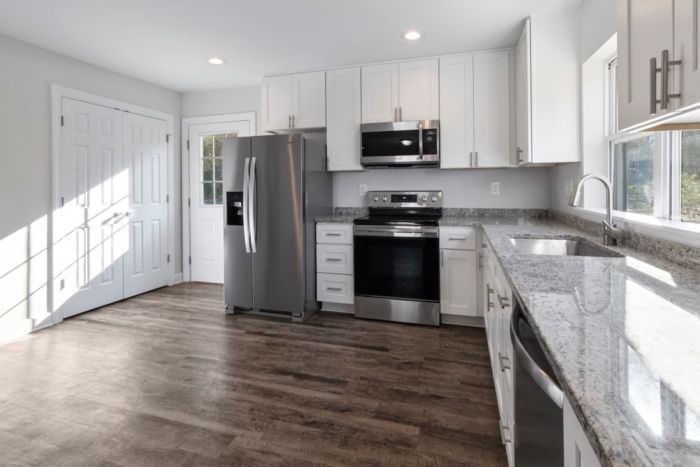
If your kitchen feels stressful before the day even begins, you are not alone. In many homes, the issue is not outdated style but a space that slows people down with a poor layout, crowded counters, weak lighting, and storage that hides what you need. The good news is that solving these problems does not always require a full renovation. Thoughtful upgrades can make your kitchen easier to use, easier to clean, and far more enjoyable every day.
Start with function
A kitchen can look beautiful and still be frustrating to live with. If cabinet doors collide, groceries end up on the floor because there is no landing space, or meal prep always feels cramped, function needs to come before appearance. A successful kitchen supports your routine smoothly.
That is why many homeowners start with layout, workflow, and storage before choosing finishes. For help identifying practical improvements that truly boost usability, many turn to experienced professionals such as KVN Construction.
Begin by noticing what slows you down. The sink, refrigerator, and stove may be too far apart, or your cabinets may not fit the tools and ingredients you use most. A well-designed kitchen should feel simple. You should be able to move naturally instead of fighting the room at every step.
Fix daily pain points
Many kitchen frustrations seem minor, but they happen repeatedly. That repetition is what makes them exhausting. Cluttered counters turn a quick breakfast into a scramble. Hard-to-reach cabinets make every pot or pan irritating to grab. Dim lighting can leave the whole room feeling gloomy even when it is clean.
A useful first step is to study your routine. Notice where mail, bags, and snacks collect. Pay attention to where meal prep always happens and where people tend to crowd together. If everyone gets stuck in one narrow walkway or you always chop vegetables in the same cramped corner, those patterns reveal the room’s weak points.
Sometimes simple fixes make an immediate difference. Moving the microwave off the counter can free up valuable workspace. Replacing fixed lower shelves with pull-out shelves makes storage far more accessible. Even widening a walkway slightly between cabinets or around an island can improve traffic flow in a kitchen that also serves as the home’s gathering place.
Choose upgrades that matter
Some kitchen upgrades are mainly cosmetic, while others improve daily life in ways you notice right away. Deep drawers are a perfect example. They make it easier to store pots, pans, mixing bowls, food containers, and bulky tools without forcing you to crouch and search through dark lower cabinets.
Pantry upgrades also offer strong value. Adjustable shelves, pull-out baskets, and storage built into pantry doors help keep ingredients visible and organized. That means less food forgotten in the back and fewer items expiring before you use them.
Countertops matter more than many people expect. If you cook often, your surfaces need to handle spills, heavy use, and frequent cleaning. An easy-to-clean backsplash is just as helpful, especially near the stove and sink. If your space allows it, a functional island can be one of the most effective improvements because it adds prep area, storage, and seating in one place.
Make storage work harder
Better storage is not about stuffing more into every cabinet. It is about making the kitchen easier to use while keeping it from feeling overcrowded. The best storage solutions reduce frustration and help you put things away quickly.
Drawer dividers are a simple change with a big payoff. They keep utensils, wraps, and kitchen tools separated instead of turning one drawer into a mess. Pull-out shelves in lower cabinets are especially useful for heavy cookware, small appliances, and pantry items you reach for often.
Vertical storage is another smart option. Trays, cutting boards, and baking sheets are easier to grab when stored upright instead of stacked. Hidden pull-out bins for trash and recycling also reduce visual clutter and make cleanup feel more streamlined. Small details like these can make the kitchen feel calmer and more organized.
Don’t forget lighting
Lighting affects both how your kitchen looks and how well it works. Poorly lit counters make food prep harder and less safe. Shadows around the sink or stove make even simple tasks feel more tiring than they should.
The most effective kitchens use layered lighting. General ceiling lighting brightens the whole room. Under-cabinet lights shine directly on work surfaces, which is especially helpful for chopping, measuring, and reading recipes. Focused task lighting over the sink, stove, or main prep area adds visibility where it matters most.
Color temperature matters too. Warm lighting creates a cozy atmosphere, while brighter white lighting is often better for detailed work. Dimmers make the space more flexible by allowing the kitchen to shift from a bright work zone during the day to a softer setting for dinner, homework, or late-night snacks.
Pick family-friendly finishes
A busy kitchen needs finishes that can handle real life. In homes with kids, pets, guests, or simply lots of activity, some materials may look great at first but quickly show fingerprints, crumbs, and splashes.
Low-maintenance finishes are often the smartest long-term choice. Quartz countertops are popular because they are durable and easy to wipe clean. Satin or matte cabinet finishes usually hide smudges better than glossy surfaces. Flooring with larger tiles and fewer grout lines can also make cleanup easier.
For backsplashes, smooth surfaces are usually easier to maintain than highly detailed patterns with lots of grout. Hardware matters as well. Strong, comfortable handles are often more practical than small knobs, especially when hands are wet, sticky, or greasy. These choices may not sound dramatic, but they save time and reduce stress every day.
Plan around your routine
Before making any upgrade, think about how your kitchen is actually used, not how you wish it looked in photos. Maybe mornings are filled with lunch packing, cereal boxes, and constant interruptions. Maybe the kitchen doubles as a homework station, snack zone, or main family gathering place.
Your routine should shape your decisions. If you meal prep regularly, you may need more prep space and better food storage. If you entertain often, smooth flow between cooking, serving, and seating becomes more important. Families with young children may benefit from lower snack drawers or a nearby work surface for school projects. Homes with teens may need charging spots, beverage storage, and room for bulky everyday items.
The best kitchen improvements are personal. They support your habits, schedule, and household needs instead of following a one-size-fits-all design formula.







Leave a Reply