
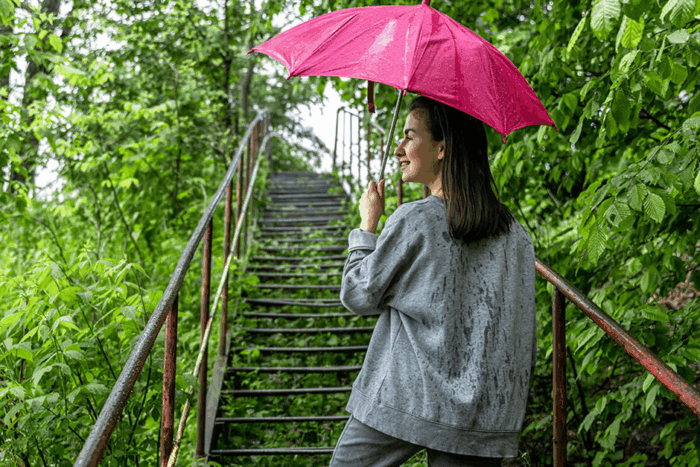
Rain in Thailand does not whisper. It crashes against rooftops, drenches clothes in an instant, overflows streets, and then poof, clears to show off a golden temple or an emerald rice field.
The rainy season is not for the timid traveler, yet it is hardly a reason to avoid. If you know what you are getting into, this season can provide a richer, more authentic experience of Thailand.
Travelling across regions, especially long-distance routes like Bangkok to Phuket by train, requires patience, planning and flexibility. Delays are common, and weather can throw plans off track. But it also means fewer crowds, and greener landscapes. You’ll likely find yourself adapting, slowing down, and seeing a side of Thailand many visitors miss entirely.
Let’s deconstruct what traveling in the monsoon season of Thailand actually feels like.
What the Monsoon Is Like on the Ground?
The monsoon season in Thailand usually lasts from June to October, but the severity and timing of the rains depend on the region. In the north and northeast, the rains tend to arrive in dramatic bursts during the afternoon or early evening. Down south, especially on the Andaman coast, it can rain for days.
But here’s the thing: it rarely rains all day long. Most of the time, you’ll get windows of dry, even sunny weather between downpours. Mornings can be clear and bright. By early afternoon, thunder rumbles and heavy showers set in. Then everything resets by nightfall.
The payoff? Visions of lush landscapes, fewer crowds, lower prices, and the kind of sensory travel experiences you’ll remember.
How to Navigate the Cities When the Rains Hit?
In Bangkok, when the drains can’t keep up, you’ll see locals hiking up pant legs and wading through shin-deep water like it’s just part of the day. In Chiang Mai, the rain cools down the brick lanes of the Old City and fills up the city’s many moats and streams.
Urban travel doesn’t stop, but it does shift.
Here’s what helps:
● Pack a light rain jacket, not an umbrella.
● Wear sandals or waterproof shoes. Wet socks are a nightmare.
● Plan extra time between connections. Taxis and tuk-tuks might take longer.
● Live with indoor locations: temples, cafes, and street food under awnings.
Cities don’t close down in the rain. They just buzz differently.
Long-Distance Travel During Monsoon Season: Trains, Buses, and Ferries
When you’re traveling from one side of Thailand to another, timing is of the essence. Trains are delayed by flooded tracks, and buses are rerouted because of submerged highways. This is where flexibility and local information matter more than any schedule.
Take, for instance, the journey from Bangkok to Phuket. There isn’t a direct train to Phuket, as the island does not have a railway station. The common thing that people do is board a train from Bangkok to Surat Thani, and proceed with the remainder of the journey by taxi or bus. Monsoon season can cause this route to get disrupted by floods of rain, mainly in the southern regions. But well-planned travelers who consult the weather forecast and factor in some slack time usually find that it is more picturesque and less tiring than taking a flight.
If you’re willing to see the journey itself as part of the adventure, the train-and-bus combination puts you front-row-center for the greenest, stormiest, and most nostalgic version of southern Thailand.
Island Hopping During the Wet Season: Risk and Reward
Island hopping is where the monsoon calls for more care. Ferries are cancelled at short notice. Stormy seas can make even small crossings unpleasant. But once again, it’s not all bad news.
On the Gulf side (such as Koh Samui or Koh Tao), July and August tend to have better weather. On the Andaman coast (Phuket, Krabi, Phi Phi), it is rainier but still visitable. The trick is to stay on a bigger island and take quick day trips if and when weather permits.
Always check the marine forecast. Local ferry operators often have real-time info at the piers or on their websites. And if you’re prone to motion sickness, now is not the time to test your luck.
That being said, riding on a half-empty boat sailing by fog-enshrouded cliffs is pure magic. If you catch it on a good day, you will feel like you are the only person on the islands.
Final Reflection: Is It Worth It?
Traveling in Thailand during the monsoon season is not just a matter of tolerating rain. It’s about experiencing a different version of the country that’s slower, gentler, and more bountiful in its own special way. You exchange blue skies for green mountains, frantic markets for peaceful evenings, and sunburns for mist-shrouded mornings.
Not everyone will enjoy it. But if you give it a try, you may discover the rain doesn’t spoil the trip; it enhances it.










Leave a Reply