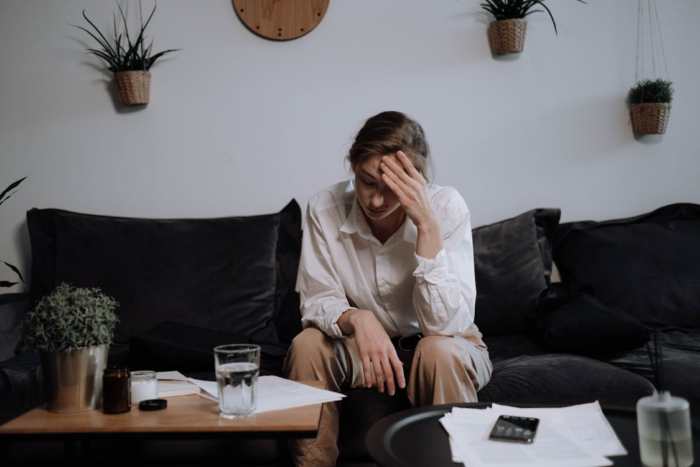
Stress is a part of everyday life. …Until it consumes you because you don’t have the tools to control it.
Fact: Everyone has too much stress in their lives. Jobs, family, finances, media fill up our minds.
And here’s the kicker:
Half of adults say they do not feel more anxious than they did last year. This is the lowest share saying this since 2022.
Find out what coping skills really work for daily stress in this article.
Let’s jump in!
Here’s what we’ll cover:
- Why Daily Stress Is Such A Big Deal
- Quick Coping Tools You Can Use Right Now
- Building A Long-Term Stress Management Routine
- When To Get Professional Help
Why Daily Stress Is Such A Big Deal
Acute stress isn’t just annoying. It’s bad for you and it can impact almost every aspect of your life.
Think about it…
You can’t sleep when you’re stressed. When you don’t sleep well you can’t think clearly. And when you make bad decisions you become more stressed. Stress.
Data supports this statement. Nearly 49% of Americans report feeling stressed daily. This number is among the highest in high-income countries.
But here’s the part most people don’t realise:
Long-term stress doesn’t just make you feel terrible – it alters your physical health. Stress contributes to heart disease, weakens your immune system and can disrupt your digestive system. Those suffering from severe mental health challenges may require extra care and assistance. At times inpatient psychiatric treatment is the best option when every day coping mechanisms have become overwhelmed.
The objective isn’t to get rid of stress. The objective is to learn how to handle it so that it doesn’t control you.
Quick Coping Tools You Can Use Right Now
Practical tools for when you NEED them. Nothing high tech. Things you can start RIGHT NOW.
Box Breathing
Box breathing is the simplest stress-relief tool you’ll ever learn.
Here’s how it works:
- Breathe in for 4 seconds
- Hold for 4 seconds
- Breathe out for 4 seconds
- Hold for 4 seconds
Repeat this 4-5 times. That’s it.
Box breathing is effective because it stimulates your parasympathetic nervous system. Your parasympathetic nervous system is what signals your brain that “It’s okay to relax now.” Navy SEALS use box breathing before they go on high-stress missions. If it’s good enough for them, it’s good enough for you.
The 5-4-3-2-1 Grounding Technique
When your stress level reaches panic, you need to quickly get out of your head and into your body.
The 5-4-3-2-1 technique helps you do that. Look around the room and name:
- 5 things you can see
- 4 things you can touch
- 3 things you can hear
- 2 things you can smell
- 1 thing you can taste
It distracts you from the worries swirling around in your mind by making your brain concentrate on your surroundings. It sounds too good to be true. But believe me — it works.
Movement Breaks
Sitting still while stressed is one of the worst things you can do.
Stress hormones accumulate in your body and they want to go somewhere. If you sit still, they continue to flow through your body exacerbating the issue. When you start to feel stressed, MOVE YOUR BODY for 5-10 minutes:
- Take a walk around the block
- Do 20 jumping jacks
- Stretch at your desk
- Climb a flight of stairs
You don’t need a gym. All you need is to move your body so the stress hormones flush out.
Building A Long-Term Stress Management Routine
Emergency coping skills are fantastic for the moment of crisis. However, you also want to develop daily routines that prevent stress from accumulating.
Here are the key habits that work…
Sleep Like Your Life Depends On It
Because honestly… it kinda does.
Almost 78% of Americans said they lost sleep at night over financial concerns. When you don’t get enough sleep, life is more difficult. You become stressed easily and patience runs thin.
- Go to bed at the same time every night
- Keep your room cool and dark
- Stop using screens 30 minutes before bed
- Avoid caffeine after 2pm
Aim for 7-9 hours every night. No exceptions.
Move Your Body Daily
Working out may be one of the best stress relievers of all. Best of all? It’s free!
You don’t have to train for a marathon. Promise yourself to move for just 30 minutes every day — walk, do yoga, bike, swim, dance… whatever! Just make sure it’s something you enjoy. That’s the only way you’ll keep doing it.
Connect With Real Humans
Loneliness significantly increases stress. 80 percent of adults experiencing extreme loneliness reported living with chronic illness while only 66 percent of moderately lonely adults said the same.
Carve out time for your loved ones. Plan weekly phone calls with friends, family dinners, or join a club that fits your hobbies.
When To Get Professional Help
Sometimes self-help isn’t enough. And that’s totally okay.
Okay, you’ve tried all of these coping skills and your stressor is STILL interfering with your day-to-day life. It may be time to speak to a professional. Here are some guidelines for when you know you should call:
- Stress is affecting your work or relationships
- You can’t sleep most nights
- You’re using alcohol or substances to cope
- You feel hopeless or helpless
- You’re having thoughts of self-harm
14% of adults (1 in 7) in the United States received counseling or therapy from a mental health professional in 2024. If you’ve been told you need therapy, don’t feel embarrassed about joining them. A therapist can show you coping skills that are personalized for you and help you recognize your stressors.
Bringing It All Together
Daily stress isn’t going anywhere. Life is busy, stressful and constantly challenging you. You don’t have to let it beat you down. When you have the proper tools to cope, you can deal with whatever comes your way.
To quickly recap:
- Use quick tools like box breathing and grounding when stress hits
- Build daily habits like sleep, exercise, and social connection
- Move your body when stress hormones build up
- Get professional help when self-care isn’t enough
Choose one or two tools from this list and begin practicing them today. Don’t try to learn everything at once or you will get overwhelmed and give up. Begin with just a couple and gradually build on them.
Remember — managing stress is a skill, not a personality trait









Leave a Reply