
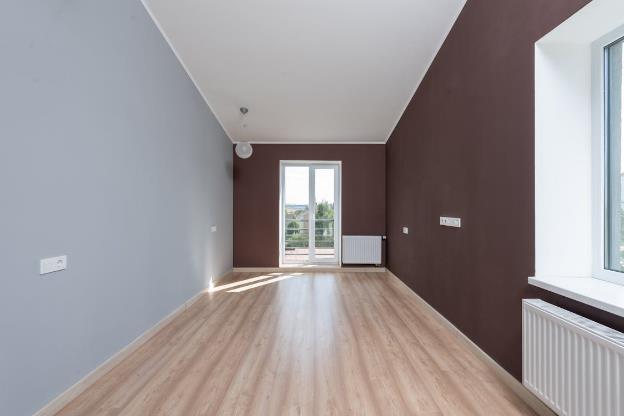
When you imagine buying a house in Texas, do you picture wide open space, a driveway big enough for five trucks, and a kitchen made for feeding everyone you’ve ever met?
That dream is still alive, but it now comes with a lot more fine print. Rising interest rates, shifting job markets, climate uncertainty, and volatile construction costs have made home buying a more layered decision than it used to be. In this blog, we will share how to plan with the long-term in mind when choosing a home—and why thinking a few steps ahead pays off.
The First Step Is Knowing the Full Picture
Buying a home used to be seen as a personal milestone. Now it’s also treated like a portfolio move, a lifestyle bet, and in many cases, a hedge against rising rent. And with good reason. Homeownership is one of the most effective ways to build long-term wealth, but only when it aligns with what your future is likely to look like—not just what you want today.
That future includes everything from job changes to family size to how long you’ll realistically stay put. That’s why buyers are no longer just looking for space and price—they’re thinking about flexibility, neighborhood stability, and cost of upkeep over a decade or more. They want homes that can adapt, not just impress.
Markets around major metro areas have seen a spike in this type of practical buyer. People who might’ve once rented longer are now looking at areas with strong resale potential, newer construction, and easier maintenance. The shift is clear in the search trends around homes for sale near Katy, TX. Interest in that area continues to grow among buyers who want access to the benefits of the city without the cost or congestion. The appeal goes beyond pricing—it’s about family-ready layouts, proximity to schools and parks, and properties that won’t outgrow their usefulness in five years.
For buyers focused on stability and planning ahead, this kind of search reflects a broader trend: people aren’t just buying for now. They’re buying with an eye on what life might look like next.
Thinking Beyond the Mortgage
It’s tempting to center your home search around the monthly mortgage payment. It’s a clear number, easy to track, and often the biggest line item in the budget. But long-term planning demands a wider lens.
The real cost of owning a home unfolds over time. That includes maintenance, property taxes, insurance premiums, and utility bills—which can vary wildly based on region, home size, insulation, and appliance efficiency. A home that looks affordable on paper might carry ongoing costs that stretch your budget thin.
Take energy efficiency, for example. Many buyers now consider insulation quality, window ratings, HVAC performance, and even solar potential before making an offer. Not because it’s trendy, but because it’s practical. Running a 3,000-square-foot house with single-pane windows in a hot climate can wipe out any savings you might’ve scored at closing. Better planning means looking at total monthly expense—not just the loan.
Then there’s the question of updates. Some buyers intentionally choose homes that need work, assuming they’ll tackle projects over time. That works—if you actually budget for it. But materials and labor costs have climbed fast in recent years. A remodel you priced out in 2020 might cost 30–50% more today. Planning for upgrades isn’t just about style. It’s about making sure your five-year plan doesn’t get derailed by one quote from a contractor.
Picking a Location That Stays Livable
Choosing where to live involves more than falling in love with a view or square footage. The neighborhood shapes your day-to-day experience and long-term comfort. And lately, buyers are getting smarter about factoring in more than commute time and school ratings.
Walkability, air quality, flood risk, noise levels, and access to healthcare are climbing up the list of priorities. Homebuyers are researching zoning plans, proposed infrastructure projects, and even climate data. They’re asking questions like: Will this area be hotter in ten years? Is it likely to see more development—or decline? Are local taxes likely to rise to cover aging infrastructure?
Neighborhoods that seem quiet and affordable today may change dramatically over the next decade. And that change isn’t always negative—gentrification, rezoning, or large-scale retail investment can raise property values. But it can also shift traffic patterns, crowd schools, or change the overall feel of a community. Long-term planning means accepting that no area stays frozen in time. The question is whether you’re prepared to grow with the place, or eventually want to move on.
Not every long-term plan works out. Careers shift, relationships change, priorities evolve. Sometimes you have to sell earlier than you expected. That’s where planning for flexibility can pay off, even if you don’t use it yourself.










Leave a Reply