
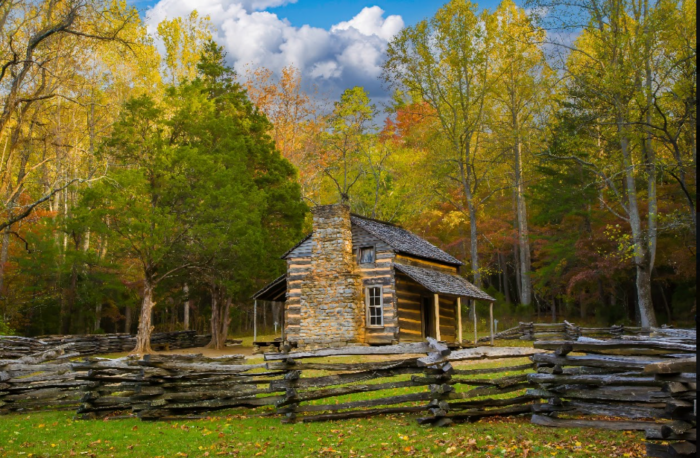
A Smoky Mountains trip can go sideways fast if you book the wrong area, underestimate drive times, or show up with a vague plan and peak-season expectations. This region stretches across busy park gateways, mountain roads, and attraction-packed towns like Gatlinburg and Pigeon Forge. If you want a cabin stay that feels relaxing instead of chaotic, you need more than pretty photos. You need timing, location awareness, and a realistic game plan.
Pick Your Cabin Location Based on How You Actually Travel
The biggest booking mistake usually starts with optimism. You picture peaceful mountain mornings, then realize your cabin sits on steep roads 35 minutes from the places you wanted to visit. Before you book, think about your real routine.
If you want easy access to attractions, dining, and evening entertainment, staying near Gatlinburg or Pigeon Forge makes life simpler. If you care more about quiet views, extra privacy, and long porch hours, a more tucked-away location may fit better.
When comparing Smoky Mountains cabins for rent, pay attention to road access, elevation, parking, and how close the cabin is to specific stops on your list. “Near everything” can mean very different things in the mountains.
Check whether your group includes older relatives, nervous drivers, or anyone who hates hairpin turns. Mountain charm loses some sparkle when someone’s gripping the dashboard as it owes them money.
Visit During the Right Season for Your Budget and Crowd Tolerance
Timing changes everything in the Smokies. Summer and major holiday periods bring heavy traffic, packed parking lots, and higher rates. Fall color season is stunning, but the crowds show up with the same idea, and a full tank of patience is required.
Early spring and late fall are the off-peak windows worth serious attention. You’ll often find lighter crowds, calmer roads, and more breathing room in popular areas. The weather can be less predictable, though, so packing layers is non-negotiable.
Winter can be cozy and scenic, especially if your cabin has mountain views, fireplaces, and indoor entertainment. At the same time, weather-related road conditions can affect travel on steeper routes.
For park updates, closures, and seasonal alerts, check the Great Smoky Mountains National Park website before your trip. That matters more than ever when trails and roads shift due to maintenance or weather. A smart trip starts with current information, not outdated vacation lore.
Build Your Itinerary Around Real Drive Times, Not Wishful Thinking
The Smokies reward planning and punish vague scheduling. Distances on a map may look short, but mountain roads, weekend congestion, and limited parking can stretch a simple outing into a half-day production.
If you want to visit Kuwohi, walk around downtown Gatlinburg, and catch a dinner show in Pigeon Forge all in one day, map it in advance. Then add cushion. A lot of cushion. Traffic near major intersections and popular park entrances can move at the speed of a thoughtful turtle.
Prioritize two anchor activities per day and leave the rest flexible. That approach gives you room for weather changes, fatigue, and spontaneous stops. It also keeps your trip from feeling like a field exercise with souvenir bags.
If you’re heading to Anakeesta, note that guests now ride the Crystal Express. If Gatlinburg SkyPark is on your list, arrive early or later in the day to dodge some of the busiest windows.
Choose Activities That Match Your Group, Not Just Social Media
A great Smoky Mountains trip doesn’t need to look impressive online. It needs to work for the people traveling with you. That means balancing scenic stops, attractions, downtime, and meal plans in a way that doesn’t burn everyone out by day two.
Families with younger kids may enjoy spots like the Ripley’s Aquarium of the Smokies in Gatlinburg, where weather won’t wreck your plans. If your group likes crafts and local shopping, the Great Smoky Arts & Crafts Community offers a slower pace with more character than the usual tourist sprint.
Thrill-seekers can stack mountain attractions, but be strategic. Ober Gatlinburg, Moonshine Mountain Coaster, and Ski Lift Shootout Coaster all sound fun on paper. In practice, doing too much in one day turns excitement into logistical cardio.
Make the Cabin Part of the Vacation, Not Just the Place You Sleep
A cabin trip works best when the cabin itself earns screen time in your schedule. Too many people book a beautiful place, then spend every waking hour driving elsewhere. That’s like ordering dessert and never picking up the fork.
Look for features that support how you want to spend your time: mountain views, hot tubs, game rooms, home theaters, big decks, fire pits, or enough bedrooms to keep the peace. If you’re traveling with a group, shared common areas matter just as much as sleeping capacity.
Plan at least one slower day around the cabin. Bring groceries for breakfast, easy snacks, and one dinner you can make without turning the kitchen into a stress laboratory. A quiet evening with a view often becomes the part of the trip people remember most.
This matters even more if weather shifts your plans. A well-equipped cabin can save a rainy day from feeling wasted and turn it into a reset.
Budget for the Hidden Costs That Sneak Up on You
The nightly rate is only the opening number. Cabin trips come with extra expenses that can catch you off guard if you only compare base prices. Cleaning fees, service fees, parking costs at attractions, groceries, fuel, and ticketed entertainment can add up fast.
You should also account for the cost of convenience. A cabin farther from town may look cheaper at checkout, but extra driving can mean more gas, more time on the road, and less flexibility when plans change.
Before booking, make a simple trip budget with these categories:
– Lodging and fees
– Fuel and parking
– Groceries and dining
– Attraction tickets
– Emergency weather or backup plans
If you’re traveling with friends or extended family, talk about spending expectations early. Nothing ruins a mountain getaway faster than discovering half the group wants pancake breakfasts and go-karts while the other half wants fine dining and premium tickets every night.
Wrap Up Your Plan With Current Info and a Flexible Mindset
The best Smoky Mountains cabin trips feel organized without becoming rigid. You want enough structure to avoid common mistakes, but enough flexibility to enjoy the place instead of managing it like a project.
Book with a clear sense of location, season, road access, and group needs. Keep your itinerary realistic. Verify attraction updates before you go. Use the cabin as part of the experience, not just your mailing address for the weekend.
Most of all, let the region set the pace a little. The Smokies have a way of rewarding people who plan well and still leave room for a scenic detour, a longer porch sit, or an unplanned stop that ends up being the highlight. That’s usually where the good trip becomes a memorable one.










Leave a Reply