
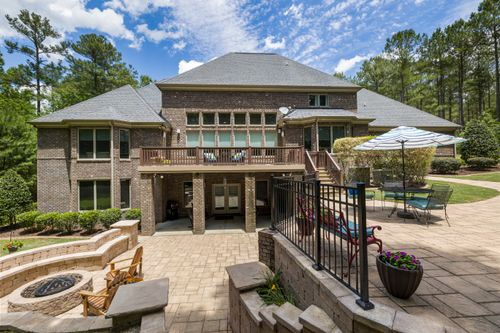
A beautiful outdoor space should do more than look good in photos. The most successful designs support real life by providing places to relax, entertain, cook, garden, and spend time with family. When form and function work together, outdoor areas become natural extensions of the home rather than decorative afterthoughts.
Build Comfortable Outdoor Living Rooms
One of the most effective ways to increase the usefulness of a yard is to create an outdoor living room. Comfortable seating, weather-resistant furniture, and a simple layout can make a patio feel like an extra room without requiring major construction.
The key is to think about how people naturally gather. Arrange seating to encourage conversation instead of facing everything toward the yard. Adding an outdoor rug, side tables, and shade features helps create a space that feels intentional rather than temporary. Many homeowners discover that these areas become the most popular gathering spots during pleasant weather, especially when comfortable seating and thoughtful layouts encourage guests to linger longer and interact more naturally.
Use Lighting to Extend Enjoyment After Sunset
Outdoor spaces often sit unused after dark, even when temperatures are perfect. Strategic lighting changes that completely improve safety, visibility, and atmosphere. A thoughtful landscape lighting installation can highlight architectural features, illuminate walkways, and create a welcoming mood long after the sun goes down.
Layering different light sources usually produces the best results. Path lights improve navigation, uplighting draws attention to trees and walls, and soft accent lighting creates warmth around seating areas. The goal is not to make the yard as bright as a parking lot. Ironically, the most inviting outdoor spaces often rely on subtle illumination that enhances the environment without overpowering it.
Design Pathways That Guide Movement
Walkways do more than connect different parts of a property. They help organize the landscape and create a sense of direction. Well-placed paths naturally guide visitors while protecting lawns and planting beds from heavy foot traffic.
Materials should match both the style of the home and the intended use. Stone pavers offer a timeless look, while poured concrete can provide a clean, modern appearance. Wider paths work best in frequently used areas, especially between patios, driveways, and entrances where people often walk in groups.
Create Shade for Greater Comfort
Even the most attractive patio becomes difficult to enjoy during hot summer afternoons if there is no protection from the sun. Shade structures improve comfort and expand the number of hours an outdoor space can be used.
Pergolas, retractable awnings, shade sails, and strategically planted trees all provide effective solutions. Trees deserve special attention because they become more valuable over time. While they require patience, they also add beauty, reduce cooling costs, and improve the overall character of a property in ways that manufactured structures rarely match.
Incorporate Functional Landscaping
Landscaping should contribute more than visual appeal. Functional plants can provide privacy, reduce noise, control erosion, and even improve energy efficiency around the home.
Evergreen hedges create natural screening from neighbors without the harsh appearance of tall fences. Native plants often require less water and maintenance while supporting local wildlife. Grouping plants according to their water needs also simplifies maintenance and helps landscapes remain healthy throughout the year. Beauty matters, but practicality often determines whether a landscape remains successful in the long run.
Add an Outdoor Dining Area
Outdoor dining continues to be one of the most popular uses for residential yards. Whether it involves family dinners or weekend gatherings with friends, a dedicated dining space encourages people to spend more time outside.
Location matters as much as furniture selection. Dining areas should be close enough to the kitchen for convenience while still offering pleasant views and comfortable surroundings. Including adequate lighting and some form of weather protection allows the space to remain useful during a wider range of conditions, making the investment far more worthwhile.
Make Small Yards Work Harder
Limited space does not limit design potential. In fact, smaller yards often benefit the most from thoughtful planning because every element must serve a purpose. Multi-functional features help maximize usability without creating visual clutter.
Built-in seating that doubles as storage, vertical gardens that save ground space, and compact fire pits are excellent examples. The biggest mistake in small landscapes is trying to include too many unrelated features. A simpler design with clearly defined uses typically feels larger and more comfortable than one packed with competing ideas.
Introduce Features That Encourage Year-Round Use
Many outdoor spaces shine for a few months and then sit empty for the rest of the year. Designing for multiple seasons helps maximize value and enjoyment. Features that support comfort in different weather conditions can dramatically increase how often a yard is used.
Fire pits, outdoor heaters, covered seating areas, and wind-blocking plantings all contribute to year-round functionality. These additions do not need to be elaborate to be effective. Sometimes a simple seating area centered around a modest fire feature creates more lasting value than an expensive installation that serves only one purpose.
Increase Property Value Through Strategic Outdoor Improvements
Outdoor upgrades consistently rank among the home improvements that deliver strong returns on investment. Buyers often form opinions before they even step inside, making curb appeal and functional outdoor spaces important factors in perceived value. Features such as attractive walkways, well-maintained landscaping, outdoor seating areas, and quality lighting create a sense of care and attention that extends to the entire property.
While trends come and go, practical improvements that enhance comfort, usability, and appearance tend to remain desirable. A thoughtfully designed outdoor space not only improves daily living but can also make a home more appealing when it enters the market.
The most successful outdoor designs recognize a simple truth: people are more likely to use spaces that are both attractive and practical. Beautiful plants, comfortable seating, thoughtful lighting, and functional layouts all work together to create environments that support everyday life. Instead of treating outdoor areas as decorative extras, homeowners can view them as valuable extensions of the home. When designed with purpose, these spaces become places where memories are made, guests gather naturally, and daily routines feel a little more enjoyable.










Leave a Reply