
There’s a very specific point in your 40s and 50s when many Kiwi women realise their eyesight has quietly become high maintenance.
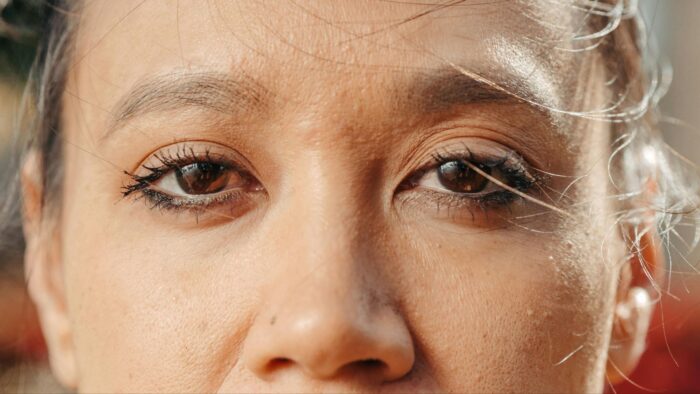
You start moving menus further away in cafés. Phone brightness creeps up to maximum. Reading glasses appear in every handbag, kitchen drawer, and car compartment. Contact lenses stop feeling comfortable after long days. Night driving becomes more tiring than it used to be.
For a growing number of New Zealand women, the solution is no longer simply updating prescription glasses every couple of years. Instead, many are looking into refractive lens procedures that aim to reduce dependence on specs altogether.
And one option is becoming far more visible in conversations around midlife vision care: RLE.
Why Midlife Eyesight Changes Catch So Many Women Off Guard
A lot of women assume worsening vision is simply part of ageing. While that’s technically true, the changes themselves are often surprisingly practical and specific.
Around the mid-40s, the eye’s natural lens gradually loses flexibility. This condition, known as presbyopia, makes it harder to focus on nearby objects. It’s why reading glasses suddenly become necessary even for people who previously had excellent vision.
At the same time, other common issues can start stacking together:
- difficulty reading small text
- glare from headlights at night
- blurry near and distance vision
- dry-eye irritation from contacts
- constant switching between multiple pairs of glasses
For busy Kiwi mums balancing work, driving, screens, sports sidelines, and home life, it can become genuinely inconvenient.
In New Zealand, interest in surgical vision correction for older adults has grown steadily as procedures have become faster and more precise. Modern lens replacement techniques are now commonly discussed alongside laser eye surgery rather than being viewed as something only associated with cataracts.
Why Refractive Lens Exchange Is Suddenly Everywhere
One reason more women are talking about refractive lens exchange is because it targets several age-related vision issues at once.
Unlike laser eye surgery, which reshapes the cornea, RLE replaces the eye’s natural lens with an artificial intraocular lens. The procedure is very similar to modern cataract surgery, except it’s done before cataracts significantly develop.
For many midlife patients, that matters because their eyesight issues are no longer just about distance vision.
Some women can still read perfectly but struggle driving at night. Others can see long distance clearly but constantly remove glasses to check their phone. Multifocal contact lenses help temporarily for some people, though not everyone adapts comfortably.
RLE is increasingly discussed as a longer-term option because it can address multiple focusing problems simultaneously.
New Zealand clinics now commonly position RLE toward patients aged roughly 45 and over who want greater freedom from reading glasses and changing prescriptions.
Why Kiwi Women Are Interested in Long-Term Solutions
One interesting shift is that many women considering RLE are not necessarily motivated by cosmetics.
The practical side matters more.
Glasses fogging up during winter netball mornings. Reading recipes while cooking. Switching between sunglasses and prescription lenses at the beach. Carrying multiple pairs while travelling.
There’s also the issue of constantly changing prescriptions.
During midlife, eyesight can shift more rapidly than people expect. Some women update lenses every year or two, especially when both near and distance vision continue changing together.
Over time, the ongoing cost becomes noticeable.
In New Zealand, laser eye surgery typically costs several thousand dollars, while RLE is usually more expensive because it involves lens replacement surgery performed in an operating theatre.
Even so, many patients looking into the procedure frame it as a long-term lifestyle investment rather than a quick fix.
The Appeal Goes Beyond Reading Glasses
One reason RLE stands out compared with some other procedures is that it can also reduce future cataract risk.
Because the natural lens is replaced during surgery, cataracts cannot later form in that same lens. That detail is often highlighted by New Zealand eye clinics when discussing the procedure with older patients.
That doesn’t mean it’s automatically the right option for everyone.
Eye health history, corneal thickness, prescription stability, and overall suitability still matter. Good clinics typically assess whether LASIK, PRK, implantable lenses, or RLE makes the most sense depending on the patient’s age and eyesight profile.
Still, for women already dealing with reading glasses and early lens ageing, RLE is increasingly positioned as a more comprehensive solution than laser correction alone.
Why This Trend Feels Particularly Kiwi
New Zealand’s lifestyle probably plays a role too.
Kiwis spend a lot of time outdoors compared with many countries. Driving, boating, hiking, beach trips, cycling, and sport-heavy weekends all make glasses more annoying than they might feel in more indoor lifestyles.
That practical frustration comes up repeatedly in conversations around vision correction.
Contact lenses also become less comfortable for many women entering perimenopause and menopause because hormonal changes can contribute to dry-eye symptoms.
That combination, active lifestyles plus changing eye comfort, creates a very specific moment where many women start researching alternatives.
And unlike a decade ago, procedures like RLE are no longer viewed as niche or futuristic.
Modern techniques now involve small incisions, same-day procedures, and relatively quick recovery periods for many patients. Several New Zealand clinics specifically describe treatment as painless and performed with topical anaesthetic drops rather than injections.
What Women Usually Want to Know First
The first question is almost always about recovery.
Most people want to know how long they’ll realistically be off work, unable to drive, or restricted from daily routines.
While recovery varies, many clinics describe functional vision improving fairly quickly after surgery, though complete adjustment can still take time depending on the lens type used and individual healing.
Another major question is whether patients will still need glasses afterward.
The answer depends heavily on the chosen lens and the patient’s eyesight goals. Some people prioritise distance vision. Others want strong near vision for reading. Multifocal lens options attempt to provide broader visual range, though adaptation differs from person to person.
Then there’s the question many mums quietly ask: “Am I too old for laser but too young for cataract surgery?”
That middle ground is exactly where RLE has gained traction.
Why Midlife Vision Conversations Are Changing
What’s changed most is probably awareness.
Ten years ago, many women simply accepted that ageing meant stronger glasses every few years. Now there’s much more discussion around proactive vision correction during midlife rather than waiting until eyesight becomes severely limiting.
That doesn’t mean surgery is casual or risk-free. Eye procedures still require proper consultation, suitability testing, and realistic expectations.
But it does mean more Kiwi women are learning there are now several different options available depending on age, prescription, eye health, and lifestyle priorities.
And for mums who are tired of hunting for reading glasses every morning, that possibility alone explains why RLE conversations keep popping up around school gates, gym classes, and coffee catchups across New Zealand.










Leave a Reply