
Energy efficiency and home comfort are components of modern living. Homeowners are increasingly prioritizing energy-efficient solutions that save on utility bills and contribute to sustainability.
Among the most significant decisions affecting energy efficiency and comfort levels is the choice of windows. From materials to sizes, each aspect plays a huge role in how a home retains heat and maintains a comfortable interior climate.
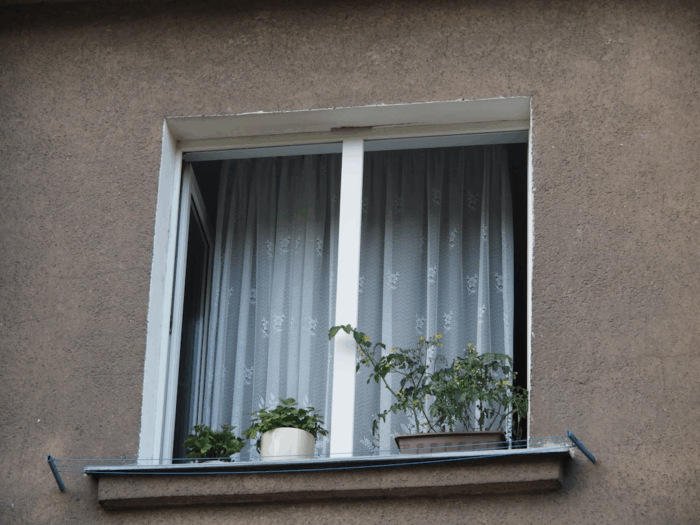
The Role of Windows in Energy Efficiency
Windows can either help buildings retain heat during colder months or keep interiors cool in the summer. In terms of energy efficiency, windows account for a substantial percentage of heat gain or loss in a home. Research shows that single-pane windows can account for a significant portion of energy waste. Upgrading to double or triple-pane windows can dramatically reduce heat loss, as these options provide better insulation.
The type of glazing used impacts efficiency. Low-E (low emissivity) coatings can minimize heat transfer and keep homes warmer in winter and cooler in summer. Proper window installation combined with high-quality products can mean the difference between moderate savings and significant reductions in energy costs. Homeowners should consider all facets of window performance for maximum benefits.
Window Sizes and Their Impact on Efficiency
The size of windows affects natural light entry and energy efficiency in a home. Larger windows can brighten a living space and provide stunning views, yet they can increase heat gain during the summer months. When planning installations, take a look at standard window dimensions for different types and check if they meet energy codes and efficiency standards. Windows that are too large for their frames may cause air leaks and negate the benefits of their size. Smaller windows trap heat better and keep interiors warm, but may require more artificial lighting.
An effective balance between window sizes will maintain comfort levels and minimize energy costs. Homeowners can explore specialized designs or transom windows to add light without sacrificing insulation. Implementing the right window sizes can elevate a home’s energy performance.
Choose the Right Window Materials
To achieve better aesthetic appeal and energy efficiency, select the right materials for window frames. Wood frames offer natural insulation but require maintenance to prevent rot and damage. Vinyl is a popular choice due to its low maintenance needs and excellent insulating properties. Fiberglass frames provide durability and high energy performance but tend to come with a higher price tag. Aluminum frames may need thermal breaks to improve efficiency as they naturally conduct heat.
Homeowners must consider the climatic conditions of their region. Houses in warmer climates benefit from window materials that can endure high temperatures and resist warping. Regions with colder climates require materials that can maintain warmth without significant heat loss. With this knowledge at hand, homeowners can make more informed decisions aligned with their climate and lifestyle needs.
Window Orientation and Climate
Next up is the window orientation. South-facing windows absorb more sunlight, which can help warm a space during the winter months. The bad news is that they may contribute to overheating in the summer if awnings or exterior louvers are not installed. East and west-facing windows capture morning and evening sun, respectively. Homeowners must analyze their daily activities and living patterns when choosing window placements.
Climate consideration determines which windows to install. Colder climates may benefit from maximizing south-facing windows and utilizing insulated materials to combat heat loss during frigid months. In warmer climates, minimizing window exposure to harsh midday sun can decrease reliance on air conditioning. These decisions will help homeowners achieve optimized energy performance year-round.
Glazing Options and Their Benefits
Glazing technology has improved over the years, offering several options to improve energy efficiency. Double-glazing consists of two sheets of glass with a space in between filled with inert gas and provides excellent insulation. Triple-glazing serves a similar purpose but adds a layer for improved performance, ideal for homes in extreme climates. Low-E coatings can reduce heat transfer so that the warmth stays inside and reflective properties keep interiors cool.
Specialty glazing options like tinted or reflective glass can benefit those looking to minimize glare or increase privacy. Smart windows further push energy efficiency, using electrochromic technology that allows homeowners to adjust how much light and heat pass through. Individuals can now improve comfort levels and decrease energy consumption.
Energy Ratings and Labeling Systems
Energy Star, a program run by the U.S. Environmental Protection Agency, rates windows based on their performance. Look for their energy efficiency labeling, which indicates how well a window insulates, the amount of solar heat it gains, and its U-factor, which measures heat transfer. These ratings will help homeowners meet specific energy standards.
Comparing different products based on their ratings can empower homeowners to make informed decisions. These labels will guarantee high-quality windows and better home comfort levels. By prioritizing products with high energy ratings, homeowners can avoid costly mistakes and boost their living experience.
Proper Installation and Maintenance for Longevity
Even the best windows will underperform if not installed correctly. Proper installation assures that windows fit snugly in their frames and minimizes air infiltration. Homeowners should hire qualified professionals to do the job, knowing they have the experience and knowledge to install windows safely and up to code. Improperly installed windows can cause leaks, drafts, and moisture buildup, all of which compromise energy efficiency.
Regular maintenance can extend window longevity and performance. Inspecting seals and caulking, cleaning the glass regularly, and addressing any condensation issues on the spot can prevent costly repairs in the long run. Routine maintenance keeps windows functioning optimally, allowing them to continue delivering on comfort and energy savings throughout their lifespan. Taking the time to invest in both proper installation and ongoing care can pay off in terms of energy savings and improved comfort levels.

Homeowners today have numerous opportunities to improve their living environments through informed window choices. From using the right materials to choosing the correct orientation and glazing, every decision impacts efficiency and comfort. Whether contemplating a simple upgrade or a complete home renovation, understanding how window choices influence energy efficiency will create an enjoyable and sustainable living space.










Leave a Reply