
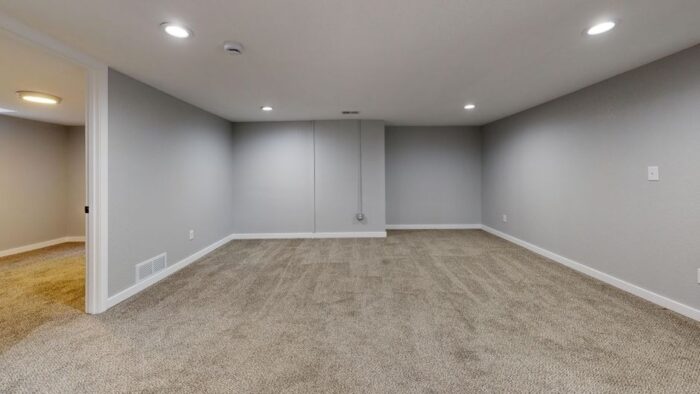
If you live in a place like Arlington Heights, basement space can feel like untapped square footage just waiting for a better job. Long winters, busy family schedules, and rising home prices make every level of your house matter more. A basement doesn’t have to stay dim, cluttered, or oddly sticky for no reason. With the right plan, you can turn it into one of the most useful and enjoyable parts of your home.
Start With How You Actually Live
Before you pick paint colors or scroll through bar-stool photos at midnight, think about how you want the space to function. A good basement works best when it fits your real routine, not a fantasy version of your life.
You might need:
– A family room where people can spread out
– A quiet office with a door that closes
– A guest area for visiting relatives
– A workout zone that doesn’t involve moving laundry first
– A basement bar for hosting friends during game nights
Write down what you want most and what you’ll realistically use every week. If your main floor already handles movie nights well, maybe your basement should serve a different purpose. The smartest layouts come from honest choices, not trend-chasing.
Add Features That Increase Everyday Use
The best basement upgrades aren’t just nice to look at. They make the room easier and more enjoyable to use on a normal Tuesday, not only when guests come over.
One of the most popular additions is a built-in bar area. If entertaining is part of your lifestyle, working with a finished basement company can help you create a basement bar that fits the space, supports storage, and feels connected to the rest of the room instead of dropped in as an afterthought.
Other features worth considering include:
– Durable flooring that handles spills and traffic
– Sound insulation between levels
– Extra outlets and USB charging spots
– Closed storage for seasonal clutter
– A small beverage fridge or snack station
Useful details tend to age better than flashy ones. You’ll notice that pretty quickly once the novelty wears off and real life moves in.
Check the Bones Before You Design the Fun Parts
A finished basement only works if the foundation, moisture control, and mechanical systems are in good shape. It’s not glamorous, but skipping this step can turn your renovation into an expensive do-over.
Look closely at:
– Signs of water seepage or damp smells
– Cracks in walls or floors
– Low ceilings or awkward soffits
– Existing plumbing and electrical capacity
– HVAC coverage and airflow
Basements have a reputation for surprise issues, and they’ve earned it. One hidden moisture problem can ruin flooring, drywall, and furniture faster than you’d expect.
If you’re considering a wet bar, bathroom, or kitchenette, your plumbing layout matters even more. The design should work with the house, not fight it. A clean plan at this stage saves time, money, and a lot of future frustration.
Choose a Layout That Feels Open, Not Overstuffed
Basements often have limited natural light, lower ceilings, and structural obstacles like beams or support posts. That doesn’t mean the space has to feel cramped. It just means every layout choice has to pull its weight.
Try to create zones instead of chopping the basement into too many small rooms. An open entertainment area, a tucked-away office nook, and a storage wall can work better than several boxed-in spaces.
Keep these design moves in mind:
– Use light, warm paint colors
– Add layered lighting instead of relying on one fixture
– Build around support columns when possible
– Choose furniture scaled to ceiling height
– Leave enough walking space between zones
A basement packed with oversized recliners and bulky cabinets can start feeling like a furniture warehouse with ambition. Clean sightlines usually win.
Don’t Ignore Lighting, Ceiling Height, and Air Quality
A basement can look great in photos and still feel off in person if the lighting and airflow aren’t right. This is where comfort either clicks or quietly falls apart.
Since many basements get little natural light, use a mix of recessed lights, sconces, lamps, and under-cabinet lighting if you include a bar or storage wall. Warmer bulbs usually make the space feel more inviting than harsh, cool-toned ones.
Ceiling design matters too. If height is limited, keep it visually simple. Avoid bulky fixtures that hang too low and make people instinctively duck.
Air quality deserves equal attention. Basements can trap humidity and stale air, especially in older homes. Dehumidifiers, proper ventilation, and well-balanced HVAC coverage can make a huge difference. A beautiful basement that smells faintly like wet cardboard never really wins people over.
Pick Materials That Can Handle Basement Conditions
Basements aren’t identical to above-grade living spaces, so your materials shouldn’t be chosen the same way. A stylish option that works perfectly upstairs might fail badly below ground.
Smart material choices include:
– Luxury vinyl plank or tile for moisture resistance
– Engineered wood if conditions are well controlled
– Mold-resistant drywall in appropriate areas
– Quartz or sealed surfaces for bar tops and counters
– Washable paint finishes for easy maintenance
Skip anything too delicate if the room will get heavy use. That includes fussy fabrics, high-pile carpet in moisture-prone spots, or finishes that scratch every time someone moves a stool.
If you have kids, pets, or frequent guests, durability becomes even more important. Basement spaces often evolve into multi-purpose hubs. Materials that can take a beating without looking exhausted after six months are worth the investment.
Understand Permits, Budget, and Return on Value
A basement renovation can add serious function and appeal to your home, but it needs a realistic budget and proper permits. Cutting corners here can cause inspection problems, insurance issues, and lower resale confidence later.
Your budget should account for:
– Framing, drywall, flooring, and finishes
– Electrical and plumbing work
– Waterproofing or moisture correction
– Custom features like a bar or built-ins
– Permit fees and inspections
– A contingency fund for surprises
And yes, surprises are basically part of the basement genre.
Value isn’t only about resale numbers. A well-finished basement can reduce crowding upstairs, create privacy, and make your house feel bigger without changing the footprint. If you plan to stay in your home for several years, the daily lifestyle payoff can be substantial.
Work With Professionals Who Understand Basement-Specific Challenges
Not every contractor approaches basement work with the same level of expertise. This part of the house comes with its own technical quirks, from moisture management to egress requirements to ceiling limitations.
When comparing professionals, ask about:
– Experience with basement-specific renovations
– Knowledge of local building codes
– Past projects with bars, bathrooms, or entertainment spaces
– Timelines, communication style, and change-order process
– Warranty details and post-project support
Look for someone who can connect the design vision to practical construction decisions. A polished rendering means very little if the final room has poor lighting, awkward storage, or a draft near every seat.
The right team will help you balance aesthetics, durability, and functionality. That mix is what turns a basement from “extra space downstairs” into a part of your home you genuinely want to use.
Make the Space Feel Finished, Not Just Completed
The last layer is often what separates a decent basement from one that feels intentional. Once construction is done, focus on texture, comfort, and personality.
Add rugs, artwork, shelves, seating, and a few details that connect the basement to the style of the rest of your home. Keep clutter controlled so the room stays flexible.
A finished basement should support your life, not become another area you avoid because it feels half-resolved. If the layout works, the materials hold up, and the atmosphere feels comfortable, you’ll start using the space naturally.
That’s the real goal. Not just finishing the basement, but giving it a purpose that earns its square footage every single week.










Leave a Reply