
Investing in a new air conditioning system is a major step toward improving both the comfort and energy efficiency of your home. The installation process often appears straightforward, but without proper preparation, it can lead to unnecessary delays and complications. By taking proactive steps ahead of your scheduled air conditioning installation, you can ensure a smooth process and achieve optimal performance from your new system from the outset.
Effective preparation not only streamlines the installation but also helps you avoid potential pitfalls and unnecessary costs. Simple steps—from clearing installation areas to understanding how your new system works—can make a significant difference in both the short-term process and long-term satisfaction with your AC investment.
Clear the Installation Area
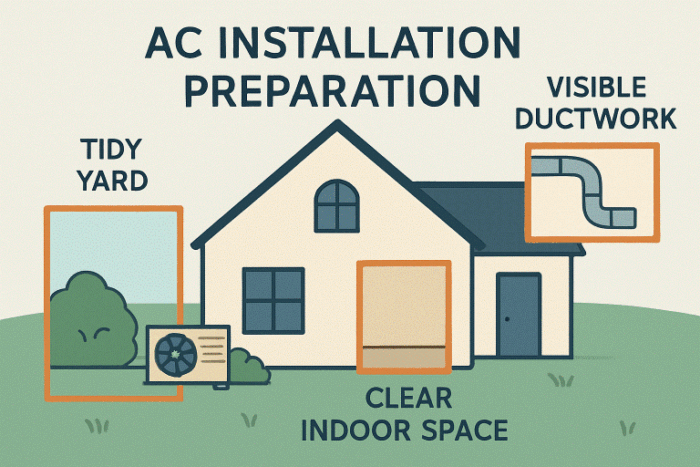
Prepare both indoor and outdoor spaces where your AC unit will be installed. Indoors, move furniture, remove fragile items, and create an unobstructed pathway so technicians have easy access to work areas. Outdoors, trim shrubs, clear away toys or obstacles, and ensure the installation site is free of debris. Allowing enough space around the installation zone helps with efficiency and safety, minimizing the risk of delays or accidents during your air conditioner installation.
Evaluate Your Electrical System
Air conditioning systems today are designed to be highly efficient, but they demand adequate electrical power. Verify that your home’s electrical panel can accommodate the requirements of your new AC unit. If in doubt, consult with a licensed electrician to determine if an upgrade or additional wiring is necessary. This step not only helps you avoid hazards but also protects your system from overload issues that could lead to outages or equipment damage.
Inspect and Clean Ductwork
Your home’s ductwork plays a vital role in the effective distribution of cooled air. Before the installation, have your ducts professionally cleaned and inspected for leaks or blockages. Sealing and cleaning the duct system enhances airflow, maintains high indoor air quality, and enables your new AC to function at peak efficiency. This step is crucial, especially if your previous unit showed signs of poor performance or uneven cooling.
Ensure Proper Insulation
Insulation directly impacts how well your air conditioning system maintains your home’s temperature and conserves energy. Inspect insulation in attics, walls, and around doors and windows, and add more if needed. High-quality insulation prevents the escape of cooled air and keeps outside heat from seeping in, reducing energy waste and maximizing your comfort. The U.S. Department of Energy’s insulation tips are a great resource for understanding where improvements could benefit your home.
Communicate with Your HVAC Contractor
Staying in close contact with your HVAC contractor before, during, and after the installation offers peace of mind and ensures that everyone’s expectations are met. Discuss timelines, any unique concerns about your home, and specific products or features that interest you. Ensure the contractor is properly licensed, insured, and has obtained all necessary permits and certifications. Clarity in communication helps you avoid surprises and keeps the project on schedule.
Being timely regarding your HVAC repair work will ensure that small mechanical discrepancies do not evolve into a complete system failure during the peak of summer or winter. Professionals can quickly calibrate your equipment to restore optimal airflow and temperature control, maintaining a consistent environment for your family.
If you are a homeowner in Northwest Georgia looking for dependable, high-quality service, partnering with an experienced team specializing in HVAC Dalton GA will guarantee that your local heating and cooling needs are handled seamlessly all year round.
Plan for Installation Day Logistics
On installation day, clear all access points to ensure a smooth installation process for the technicians. If you have pets, please place them in a safe, restricted area during the installation process. Discuss potential noise, the estimated duration of the work, or temporary utility outages beforehand—so you can adjust your schedule and activities accordingly. Planning helps everything go smoothly for both your household and the installation team.
Understand Your New System
After the installation, ask your contractor for a complete walkthrough. Learn how to operate your new AC, including all programmable settings and energy-saving features. Understanding routine maintenance, such as how to change filters and recognizing signs that may indicate the need for service, will help you extend the life of your investment. Taking the time to be educated about your system empowers you to maximize efficiency and savings.
Schedule Regular Maintenance
Proper maintenance is crucial for ensuring the reliable operation and long-term value of your new AC system. Arrange for routine professional inspections and tune-ups, and follow the maintenance schedule recommended by your contractor. Regular service visits can catch small issues before they become serious, safeguarding your comfort and reducing costs.
Preparing for your new air conditioning installation doesn’t need to be complicated. With careful organization and communication, you’ll enjoy improved comfort, increased energy efficiency, and peace of mind in your home for years to come.
Conclusion
Preparing for your next cooling system upgrade goes beyond simply scheduling an appointment—it’s about making thoughtful choices that ensure long-term comfort and efficiency. By assessing your home’s needs, budgeting wisely, and working with trusted professionals, you set the stage for a smoother process and better performance. With the right preparation, your new system will not only keep your space comfortable but also provide energy savings and peace of mind for years to come.










Leave a Reply