
Most home improvement projects do not fail because of bad luck. They fail because the planning stage was rushed. A homeowner decides something needs to change, gets one price, picks a date, and starts the work before anyone has asked the harder questions. By the time the real cost shows up, the money is already spent, and the options are gone. Careful planning is not an extra step that slows a project down. It is the part of the process that decides whether the finished result is worth what you paid for it.
Where Home Cooling Projects Go Wrong
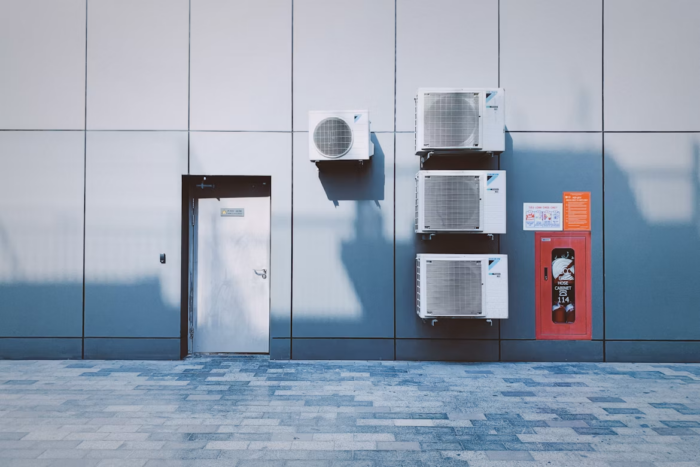
Comfort upgrades carry more weight than most people expect, because they touch the parts of a house that affect daily living rather than just its appearance. Installation is where much of that risk sits, since equipment that is sized incorrectly or fitted without proper airflow will disappoint no matter how good the unit itself is. Hiring a trained professional for the work removes that risk, because the sizing, the connections, and the final testing are handled as one continuous job rather than a set of loose tasks. Homeowners who want the upgrade to hold up for years should hire a licensed contractor for new AC installation with full load calculations and performance testing included. That single decision tends to settle the outcome of the entire project before the first tool comes out of the van.
Start With the Problem, Not the Product
Many projects begin with a solution already chosen. Someone sees a product, likes the look of it, and builds the plan around that choice instead of around the issue they actually wanted fixed. This is how people end up paying for work that does not solve anything. Write down the problem in plain words first. Is a room uncomfortable, is a bill rising, is something failing more often than it should, or is the house simply dated? Once the problem is written clearly, the right fix is usually easier to identify, and you are far less likely to spend money on the wrong thing.
Build a Budget That Allows for Surprises
A realistic budget has two parts. The first is the quoted price for the work you know about. The second is a reserve for the work nobody could see until the project opened up. Older homes in particular tend to hide small problems behind walls, under floors, and above ceilings, and those problems do not disappear just because they were not in the estimate. Setting aside a reserve of around ten to fifteen percent of the project value keeps a small discovery from turning into a stalled job. Homeowners who plan without that cushion often have to choose between going over budget or leaving the work half finished, and neither choice is a good one.
How to Judge a Contractor Before You Sign
The cheapest quote is rarely the best value, and the most expensive one is not automatically the safest. What matters is what sits behind the number. Ask how long the company has worked in the area, whether the crew doing the job is employed directly or brought in for the day, and what happens if something goes wrong a year later. Check that the business carries current licensing and insurance, and read reviews written over a long period rather than only the newest ones. A contractor who answers these questions comfortably and puts the answers in writing is usually the one who will still answer the phone after the invoice is paid.
Read the Quote Line by Line
A quote is a description of the work, not just a price. Two companies can offer very different amounts of labor, preparation, cleanup, and follow-up behind figures that look similar on paper. Compare what each one actually includes. Does the price cover removal and disposal of old materials, or is that billed separately? Are permits included? Is there a timeline, and what happens if the schedule slips? If a quote is a single number with no breakdown, ask for a detailed version before agreeing to anything. Vague paperwork at the start almost always turns into disagreement later.
Timing Your Project for a Smoother Result
Timing affects both price and quality. Every trade has a busy season, and during those weeks crews are stretched, lead times grow, and scheduling becomes tight. Planning the same work during a quieter stretch of the year usually means more attention, a faster start, and better availability if something needs to be adjusted afterward. Timing also matters inside the home. Work that disrupts daily routines is far easier to handle when it is scheduled around family commitments rather than dropped into the middle of them. A project that begins at a sensible moment tends to finish cleanly.
Keep the Paperwork You Will Need Later
Permits, invoices, warranty documents, and model information are easy to set aside once the work is done and the house is back to normal. They matter more than most people expect. Warranty claims often depend on proof that the work was carried out correctly and by a qualified company. Insurance questions can turn on whether the proper approvals were obtained. If you sell the home, documented work completed to standard is far more persuasive to a buyer than a verbal assurance. Keep everything together in one folder, physical or digital, and the project will keep paying you back long after it is finished.
Protect the Value of the Work You Paid For
The final mistake homeowners make is treating the completed project as the end of the story. Anything mechanical, structural, or weather exposed needs ongoing attention to stay in good condition. Scheduled servicing, seasonal checks, and quick repairs when something small goes wrong will extend the life of the work considerably and keep performance close to what it was on day one. Neglect does the opposite, quietly undoing the investment until the house needs the same money spent again far sooner than it should. A plan that includes maintenance from the beginning is the difference between a project that lasts and one that simply looked good for a while.










Leave a Reply