
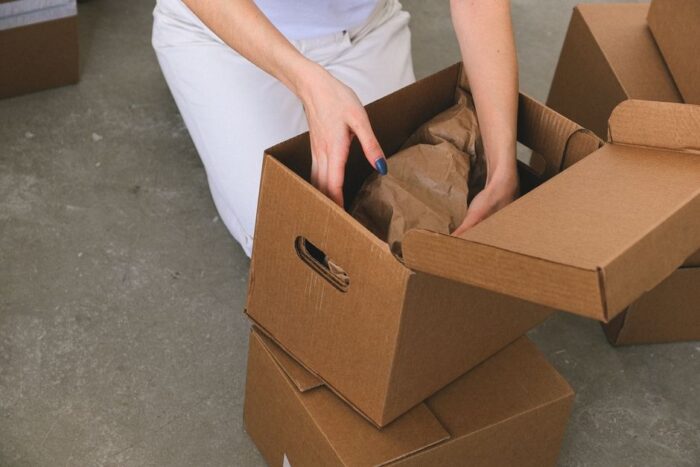
A long-distance move can make even organized people feel like their brain got packed in the wrong box. There’s a lot to track, and somehow the tape dispenser always disappears first. The good news is you don’t need a perfect color-coded command center to make the move go smoothly. Working with reliable long distance moving and storage companies can help simplify logistics, keep your belongings organized, and make the transition easier. You just need a plan that works in real life. If you break the process into simple steps, you can cut down on stress, save time, and make your new place feel livable a whole lot faster.
Start with a plan
The biggest mistake you can make is waiting until moving week to “get serious.” Long-distance moves have more moving parts, literally and figuratively, so a basic timeline helps you stay sane. Start by picking your move date, then work backward. Give yourself mini deadlines for decluttering, packing, paperwork, and travel details.
This is also the point where you figure out transportation and moving help. If you’re heading to or from Texas, comparing long-distance options like Coleman Worldwide Moving can help you build a realistic schedule and budget. That’s not about making things fancy. It’s about knowing what kind of support fits your move.
Keep your plan somewhere easy to check, like a phone note or printed list on the fridge. If your plan fits your actual life, not your fantasy superhuman life, you’re much more likely to stick with it.
Declutter before boxes
Packing things you don’t even want is like paying to move your junk collection across state lines. Not ideal. Before you fold one box, go through your stuff and decide what’s worth bringing. The less you move, the less you pack, lift, label, and unpack.
You don’t need a full weekend makeover montage. Just do one small area at a time. Start with the easy wins:
– expired pantry items
– old toiletries
– broken toys
– mystery cords
– clothes nobody wears
Then move to closets, drawers, and storage bins. Ask yourself if you use it, need it, or would buy it again today. If not, let it go.
For families, decluttering is extra helpful because kids tend to outgrow things at lightning speed. Donate what’s still useful and toss what’s worn out. Think of it as giving your new home a cleaner starting point instead of dragging every random object from your old one into the next chapter.
Pack by real life
Packing by room sounds logical until you realize your coffee mugs are in one box, your laptop charger is in another, and your kid’s bedtime book vanished into the cardboard abyss. A better approach is to pack around how you actually live.
Make categories based on routines. You might have a morning box, workday box, pet box, school box, and first-night kitchen box. This keeps the things you use together actually together. Shocking concept, right?
A few useful groupings include:
– coffee, mugs, and filters
– medications and thermometer
– pet food, leash, and bowls
– chargers, headphones, and laptop gear
– pajamas, towels, and basic toiletries
This method works especially well for the first week in your new place, when half your brain is still trying to remember where you packed scissors. You can still note the room on the label, but organizing by routine helps you function faster once you arrive.
Label for easy unpacking
A box labeled “miscellaneous” is basically a prank from your past self. Good labels save you from opening twelve boxes just to find one can opener. You don’t need an elaborate system, but you do need one that tells you what matters at a glance.
Write on at least two sides of each box. Include the destination room, a short list of contents, and a priority level. For example: “Kitchen – plates, lunch containers, dish soap – Open First.” That’s way more useful than just writing “Kitchen.”
Color coding can help too. Use one color per room with tape, stickers, or markers. If you’ve got kids, make it simple enough that anyone helping can follow it.
Try using these priorities:
– Open First
– This Week
– Can Wait
That last category is perfect for seasonal decor, extra linens, and the waffle maker you swear you use all the time. A clear labeling system turns unpacking into a plan instead of a scavenger hunt with lower prizes.
Keep essentials close
Some things should never disappear into the moving truck. If you’ll need it during travel or within the first 24 hours, keep it with you. Think of this as your survival kit, minus the wilderness, plus more phone chargers.
Your essentials bag or bin should include important documents, medications, wallets, keys, snacks, water, and a change of clothes. Add toiletries, basic cleaning wipes, and anything you absolutely cannot replace quickly.
If you’re moving with kids, pack comfort items too. A favorite stuffed animal can be more important than you’d think when everything else feels unfamiliar. For pets, bring food, waste bags, medication, and something that smells like home.
Don’t forget practical extras:
– phone and laptop chargers
– toilet paper
– paper towels
– scissors or box cutter
– hand soap
– shower curtain if needed
These are not glamorous items, but neither is arriving exhausted and realizing you can’t wash your hands or charge your phone. Small comforts make a huge difference on move day.
Settle in faster
When you get to your new place, don’t try to make everything perfect on day one. Your goal is function, not magazine-worthy styling. Start with the spaces that affect daily life the most: bathroom, beds, kitchen basics, and clothes for the next few days.
Make the beds first. You’ll thank yourself later when your energy crashes. Then set up the bathroom with soap, towels, toilet paper, and shower supplies. After that, focus on enough kitchen gear to make simple meals and coffee. Civilization restored.
For the first week, aim for progress that helps your routine. Unpack school items before decor. Set up your work area before hanging wall art. Get laundry going before sorting every bookshelf by color.
A few quick wins help your home feel normal faster:
– put away daily-use clothes
– create a drop zone for keys and mail
– stock one drawer with basic utensils
– choose one box a day after the essentials are done
A long-distance move is a big change, but it doesn’t have to be total chaos. If you plan ahead, pack around real life, and focus on what helps your household function, you’ll settle in with a lot less stress and a lot fewer “Where did I put that?” moments.










Leave a Reply