
A sore knee can turn dinner into a longer event than it used to be. Standing still feels tougher, and lifting pans suddenly matters. Even small chores, like chopping onions, can irritate a wrist or shoulder.
That is when food needs to stay comforting, simple, and steady through the week. Some people also ask about how PRP can support joint recovery without surgery when pain keeps limiting normal life. Either way, a calmer kitchen routine can help you eat well without draining energy.
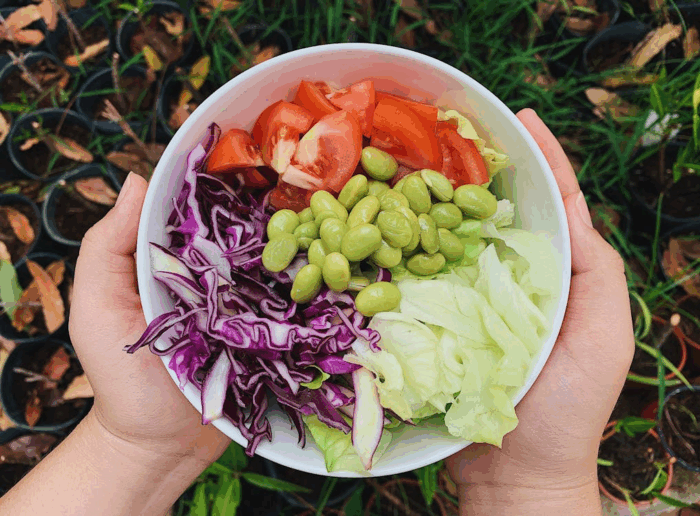
Photo by Vo Thuy Tien
Recovery Friendly Meals Start With Steady Basics
Joint pain often brings a mix of soreness and less movement, and that combo can sneak up. Muscles around the joint can soften when daily steps drop, and balance feels off. So meals that support strength tend to matter more than fancy recipes.
Protein helps maintain muscle while your body gets back to regular movement again. General guidance is easy to find, and MedlinePlus breaks it down in plain language. The main idea is simple, because protein works best when it shows up across the day.
Breakfast can still feel like breakfast, and it does not need special foods. Greek yogurt with berries, eggs with toast, or cottage cheese with fruit all work. When mornings feel rushed, a protein shake and a banana can still count.
Lunch tends to go smoother when it looks like leftovers, but with a small twist. Chicken, beans, or tuna can sit on top of salad greens, and it still feels fresh. A soup plus a side of fruit can also land well on tired days.
Dinner usually works best when it has three parts you can recognize quickly. A protein, a vegetable, and a carb can land in the right range without stress. Frozen vegetables count, and they also save hands from extra chopping.
The Kitchen Can Feel Easier Without Feeling Boring
On rough days, the goal is less standing and fewer heavy lifts, and that is it. A cutting board that does not slide can make prep feel calmer and safer. Even a small stool near the counter can change how long you last.
Air fryers and pressure cookers help because they take attention off the stove. They also cut stirring and flipping, which can bother elbows and wrists. Plus, the kitchen stays cooler, which helps when you already feel tired.
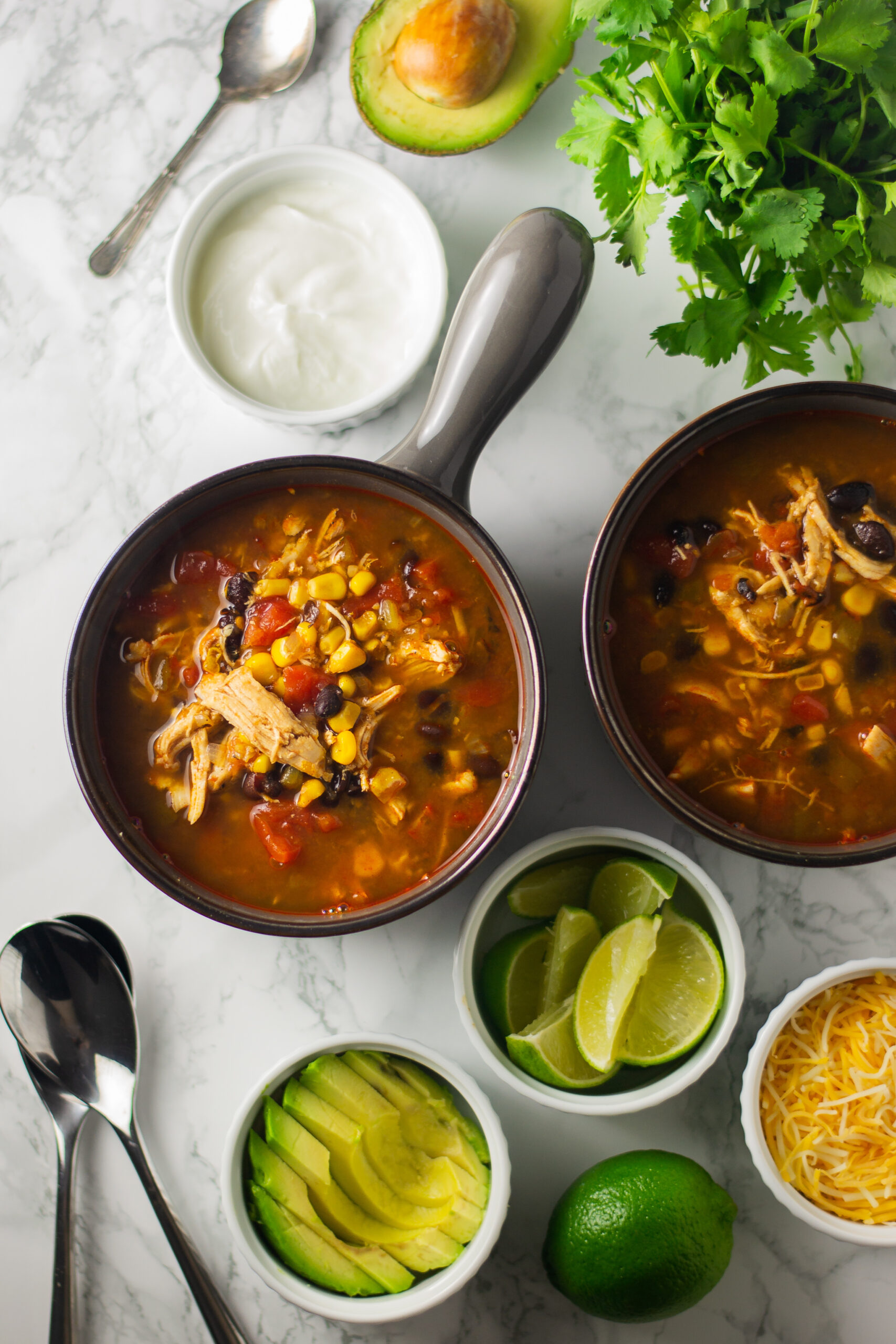
Batch cooking can feel like a chore, but it works when the pieces stay flexible. One pot of shredded chicken can become tacos, rice bowls, or soup across three days. So the work happens once, and the payoff shows up repeatedly.
A grocery list can stay short while meals still feel varied during the week. A few repeats actually help, because decision fatigue is real with pain. Then one new recipe each week adds interest without stealing your whole evening.
It also helps when cleanup feels predictable, because pain often spikes after the meal. Parchment paper on sheet pans cuts scrubbing, and it saves wrists later. A soak bin for utensils can keep the sink from turning into an extra workout.
Weight Watchers Style Comfort Foods That Still Feel Like Real Food
Comfort food can still fit a lighter plan, and it does not have to feel like diet food. It just leans on smart swaps, like yogurt instead of heavy cream. Also, herbs and acids add punch without piling on extra oil.
Chili works well because beans bring fiber and protein in one scoop. Turkey or chicken can replace beef, and the bowl still feels hearty. Then toppings stay simple, like chopped onions, jalapeños, or a spoon of Greek yogurt.
A baked potato can still show up, and it can carry a full meal easily. Broccoli, cottage cheese, and salsa turn it into dinner without much prep. When you want crunch, an air fried potato wedge scratches the same itch.
Simple bowls also help when standing time needs to stay short and predictable. Rice, quinoa, or cauliflower rice can hold the base, and you can swap ingredients fast. It feels like takeout, but it costs less effort and less money.
When snack time hits, the best options usually pair protein with something sweet or crunchy. That keeps hunger calmer later, and it helps avoid constant grazing. A few easy pairings help on days when willpower feels low:
- Apple slices with peanut butter or Greek yogurt dip
- Cottage cheese with pineapple chunks
- Carrots with hummus and a few crackers
- Hard boiled eggs with grapes
Food Safety And Digestion Matter More During Low Movement Weeks
Healing weeks can change your stomach rhythm, especially when movement drops. Less walking can slow digestion, and pain medicines can add to that. So meals that are warm and balanced often feel better than heavy, greasy plates.
Fiber helps, but it plays nicest when it increases slowly and comes with water. Oats, berries, cooked vegetables, and beans can build up gradually without drama. When fiber jumps too fast, bloating can ruin an otherwise good day.
Hydration sounds basic, but it affects energy, appetite, and even muscle cramps. Water, tea, and broth all count, and salty soups can help when appetite is low. When plain water feels boring, fruit slices can add flavor without sugar overload.
Leftovers are your friend, and they only work when they stay safe and reliable. The USDA safe temperature chart is a solid reference for cooking and reheating basics. It takes the guesswork out, especially when you feel distracted by pain.
A calmer plan also includes fewer dishes that feel risky for your stomach. Very spicy meals, huge fatty portions, and sugary drinks can backfire when sleep is poor. So the steady option often wins, even if it sounds plain at first.
A Week That Feels Supportive, Not Strict
A good week usually comes from repeats that feel comforting, not from perfect tracking. Three breakfasts, three lunches, and four dinners can cover most of the calendar. Then the fridge feels friendly, because every choice already makes sense.
It also helps when meals match your energy swings, which can change day to day. Some days can handle a longer recipe, and other days only want a quick bowl. So the plan stays flexible, and you still eat well.
If joint pain has been limiting life, it can help to connect cooking habits to the bigger care plan. Food supports strength, and a lower stress routine helps you stick with it longer. The best sign you are doing it right is feeling fed, calmer, and less worn out after dinner.



Leave a Reply