
Planning a family road trip? Here is how to pick the right rental car for comfort, safety and value.
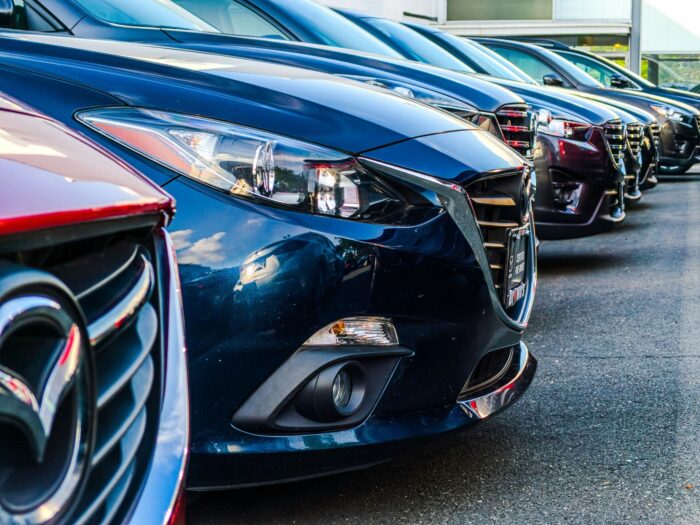
Packing the kids, the bags and the snacks into the right vehicle can make or break a family road trip before you even leave the driveway. Choosing Mode car rental as your starting point means you are already working with a fleet built for real trips rather than just a quick errand, but the actual decision of which vehicle to book still comes down to a handful of practical factors most parents only think about after it is too late. Here is what actually matters when you are renting for the whole family.
Start With Seats and Space, Not Just Price
It is tempting to book the cheapest option on the list, but a cramped car on a six-hour drive tends to cost you more in stress than it saves in dollars. Count actual seats needed, including any car seats or boosters, and remember that a car seat takes up considerably more width than an adult body. Families of four or more are usually better served by an SUV or people mover than a standard sedan, even if the daily rate is a little higher.
Think About Luggage Before You Book
Boot space gets overlooked constantly, and it is one of the most common regrets families report after a trip. Between suitcases, a pram, beach gear and the inevitable extra bag someone insists on bringing, luggage volume adds up fast. If you are travelling with more than two children, priorities wagons, SUVs or vans with a genuinely large boot rather than judging a car by its passenger count alone.
Safety Features Are Worth Paying Extra For
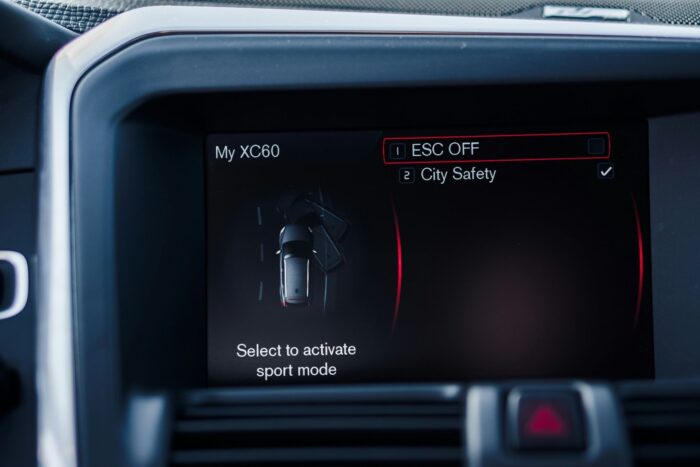
Modern safety technology such as reversing cameras, blind spot monitoring and adaptive cruise control genuinely reduces driver fatigue on long stretches, which matters more with kids in the back seat demanding attention. Whenever the rental option is available, it is worth the small extra cost to get a vehicle with these features rather than the base model, particularly if you will be doing several hours of driving in a single day.
Check the Fine Print on Car Seats and Extras
Not every rental company includes car seats as standard, and the ones that do may charge a daily fee that adds up over a longer trip. If you already own a compatible car seat, it is often cheaper and more convenient to bring your own rather than renting one, provided your airline allows it as checked luggage at no extra cost. Confirm this detail before you travel rather than assuming it is included.
Fuel Efficiency Matters More on Longer Trips
A larger vehicle burns more fuel, and on a multi-day road trip that difference compounds quickly. If your route includes long stretches between fuel stops, it is worth checking the average consumption of your chosen vehicle rather than assuming bigger automatically means better. Balancing space against fuel efficiency is one of the more overlooked parts of planning a family road trip budget.
Inspect the Vehicle Before You Drive Away
This step gets skipped constantly by exhausted parents eager to get on the road, but it matters. According to the American Automobile Association, checking pre departure basics on any rental car, from tyre condition to fluid levels, helps avoid unnecessary delays once you are already on your trip. You can read AAA’s full road trip guidance directly here. Photograph any existing damage before you leave the lot so there is no confusion when you return the vehicle.
If You Are Driving in New Zealand, Get the Car Road Ready First
Family road trips around New Zealand often cover long stretches between towns, so a vehicle that is genuinely road ready matters even more than usual. The New Zealand Automobile Association publishes a simple pre trip checklist covering tires, lights, fluid levels and towing equipment that is worth running through before you leave, especially with kids and luggage adding extra weight to the vehicle. You can read that full checklist directly from AA New Zealand before your trip so there are no surprises once you are behind the wheel.
Consider Insurance and Excess Carefully
Rental insurance options can vary significantly between companies, and the cheapest headline rate sometimes hides a high excess that becomes a real problem if a stone chip or minor scrape happens on a gravel road. Ask specifically what your excess would be in a worst-case scenario, and whether reducing it costs extra per day. For a family trip covering unfamiliar roads, paying a little more upfront for lower excess often brings genuine peace of mind, especially with children distracting the driver from the back seat.
Book Early for School Holiday Periods
Family favorite pickup dates, particularly the start and end of school holidays, get booked out fast, and popular vehicle types like larger SUVs and seven seaters tend to disappear first. Booking several weeks ahead rather than the week before travel generally secures both a better price and a wider choice of suitable vehicles, rather than being left with whatever happens to still be on the lot.
Plan for Breaks, Not Just Distance
Google Maps will tell you how long a drive takes for one adult without stops, which is almost never how a family trip actually goes. Build in extra time for regular breaks, meals and the inevitable unplanned stop, and choose a vehicle with comfortable seating for everyone since you will likely be spending more hours in it than originally planned.
The Bottom Line
The right rental car for a family trip is rarely the cheapest one on the list, and it is rarely the biggest either. It is the vehicle that balances genuine seating and boot space, sensible safety features and manageable running costs for your specific route. Take the extra ten minutes at pickup to check the vehicle over properly, confirm what is and is not included, and you will spend a lot less time thinking about the car and a lot more time enjoying the actual trip.










Leave a Reply