
Many homeowners find their kitchens lacking in storage, resulting in clutter and disorganization. A well-designed pantry can alleviate these issues, turning a small, unused corner into a functional area that improves both storage and kitchen efficiency.
The transformation can be driven by creativity and strategic planning, resulting in a functional pantry that serves your needs and adds to the aesthetic of your kitchen. Read on to explore how to utilize small spaces for building a pantry that is both practical and visually appealing.

The Importance of Organization in Small Spaces
When items are easily accessible, you spend less time searching for ingredients or cooking utensils, which streamlines meal preparation and improves your culinary experience. If you don’t know where to start, implement these reach-in pantry ideas to maximize vertical and horizontal space and keep everything within reach. In small kitchens, every inch matters, and the right organizational system can drastically improve your ability to navigate your pantry effectively.
When you decide to transform a small space into a pantry, consider the flow of your food preparation. Keep commonly used items at eye level and less frequently used ones up high or at the back. This arrangement prevents unnecessary bending and reaching, making cooking and baking a more enjoyable task.
Choosing the Right Location for Your Pantry
Picking the ideal location for your pantry relies on several factors, including space availability and access. If your kitchen lacks a designated pantry area, develop a nook or closet for this purpose. Proximity to your cooking zone will provide quick access to ingredients needed while cooking or baking. A location near food prep areas makes cooking less cumbersome and improves your kitchen workflow.
Repurposing a seldom-used closet adjacent to the kitchen can deliver surprising results. Removing certain shelves allows you to incorporate modular shelving units or deeper baskets, creating opportunities for organization. The location should offer enough height and width to support pantry essentials, keeping in mind that cabinet conversions may require adjusting your existing kitchen layout.
Designing the Layout for Maximum Efficiency
The design layout is what determines how best to utilize a small pantry space. Utilizing vertical space with shelves that reach from floor to ceiling can provide ample storage. Functional shelves allow you to categorize food items effectively so that the heaviest products are at the bottom and lighter ones are placed above. Adjustable shelving can adapt to your pantry as your needs change and accommodate various food sizes.
Incorporating pull-out drawers and baskets into your design permits easy access to seasonal items or bulk goods. Such a feature decreases clutter, enables better airflow, and keeps the pantry contents fresh. Maintaining a clean and organized layout allows you to easily assess your stock and restocking needs.
Incorporating Smart Storage Solutions
Smart storage solutions can transform small spaces into functional havens. Innovative organizers, such as tiered shelves or rotating racks, aim to display cans and jars clearly and minimize the time spent on hunting for specific ingredients. Utilize under-shelf baskets to create additional layers of storage so that no space goes unused. These additions guarantee that diverse items coexist without overcrowding within the pantry.
Clear storage bins make the items more visible and help you monitor expiration dates effectively. This approach promotes better meal planning while eliminating the risk of doubling up on purchases, a cost-saving strategy. Magnetic spice racks free up shelf space and keep your favorite herbs and spices easily accessible at arm’s reach. Investing in quality storage solutions capitalizes on the space’s inherent potential.
The Importance of Lighting in Functionality
Without adequate lighting, even the most beautifully organized pantry can feel chaotic and inaccessible. Using bright lights can improve visibility so that you can quickly locate items and improve functionality during meal prep. Incorporate track lighting or LED strips under shelves to create a well-lit environment that encourages easy pouring over choices.
A well-thought-out lighting plan illuminates the pantry and sets the entire atmosphere. Soft lights create a warm ambiance so that cleanliness and organization are evident. Remember to look into energy-efficient options to save on electricity costs. Natural lighting can be an excellent asset if your pantry has a window: it promotes a welcoming feel that encourages usage and greatly benefits from daylight.
Best Practices for Maintaining Your Pantry
Every functional pantry requires ongoing maintenance to uphold its efficacy. Regularly checking inventory helps you identify items that need restocking or could be nearing expiration. Keeping a dedicated washable basket to dispose of expired goods encourages a routine for checking dates and promoting freshness. Your pantry should remain organized and healthy.
Seasonal deep cleaning is key to maintaining hygiene, which includes clearing out clutter and sanitizing shelves. Utilizing air fresheners or silica gel packets can help maintain a pleasant aroma and fight off the risk of moisture and pests. Having a designated system in place provides the foundation for ongoing management, keeping your pantry a usable and reliable space in the future.
The Aesthetic Appeal of a Well-Designed Pantry
Functionality is a necessary part of a well-designed pantry, but let’s not forget about its visual appeal. Consider integrating colors, textures, and decorative containers that reflect your personal style. Transparent jars with stylish labels create a curated look and offer practical visibility so that you can see your ingredients at a glance.
Small touches, such as beautiful wood or trendy colored storage bins, can elevate the appearance of your pantry. Incorporating wall art or plants can bring life into the space, making it feel warm and welcoming. A refined aesthetic communicates your care and attention to detail, encouraging family members to keep the pantry organized.
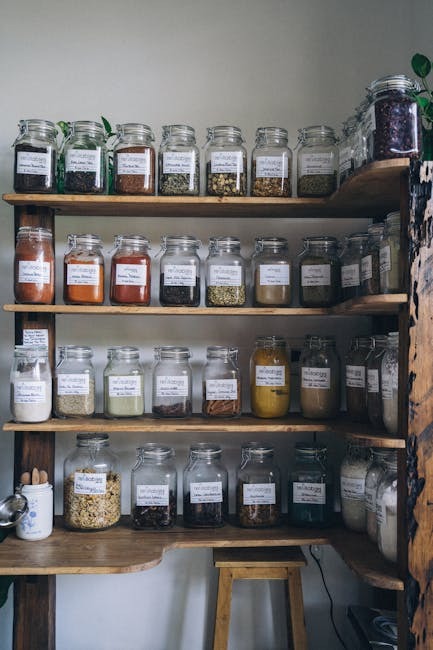
Well-designed spaces promote pride in ownership and motivate all who enter to maintain cleanliness and coordination. By taking these considerations into account, small spaces can be transformed into perfectly functional pantries that support both your kitchen activities and your lifestyle.
From efficient layouts and smart storage solutions to aesthetics and maintenance, approaching your pantry with thoughtful design principles can lead to incredible results that benefit you and your family.










Leave a Reply