
Source: Unsplash
There’s something comforting about the hum of an oven warming up, especially when you’re about to roast veggies, bake bread, or slow-cook a meal that fills the house with delicious smells. However, for many of us, the oven remains one of the most underutilised (or misused) appliances in the kitchen. With just a few small tweaks and some clever habits, you can make every meal better, save on energy, and extend the life of your favorite dishes.
Whether you’re a daily home cook or someone who only turns on the oven on Sundays, these tips will help you get more out of electric ovens without needing fancy upgrades or expensive gear.
1. Preheat With Purpose
Let’s be honest: how many of us just hit the preheat button and forget about it? Preheating is often more important than we think, especially for recipes that rely on exact temperatures like baking. That said, you don’t always need to wait the full 15–20 minutes. For roasted vegetables or casseroles, popping your dish a few minutes early won’t do much harm and it saves energy.
Pop your baking tray in while the oven preheats. This helps get that satisfying crisp edge on things like potato wedges or pizza crust.
2. Cook More Than One Thing at a Time
One of the easiest hacks? Cook in batches. Your oven heats up the entire space whether you’re baking one tray of cookies or filling every rack so it makes sense to maximize that heat. Roast vegetables while your chicken bakes, or warm dessert while your main dish finishes. You can even double your recipes and freeze half for another day. It’s a time-saver and an energy-saver rolled into one.
Ovens are especially good at retaining heat, which means you can often turn them off a few minutes early and let the residual warmth finish the job. It’s perfect for reheating bread, toasting nuts, or gently warming leftovers without the added energy cost.
3. Use the Right Rack for the Right Job
Where you place your tray in the oven can completely change the results. The top rack gets the most intense, dry heat ideal for browning or broiling. The bottom is more suited for slower, gentler cooking, while the middle rack is the go-to for even heat distribution.
If you’re unsure, go in the middle. But for more confident cooks, playing with rack levels adds another layer of control.
4. Don’t Waste the Warmth
Source: Unsplash
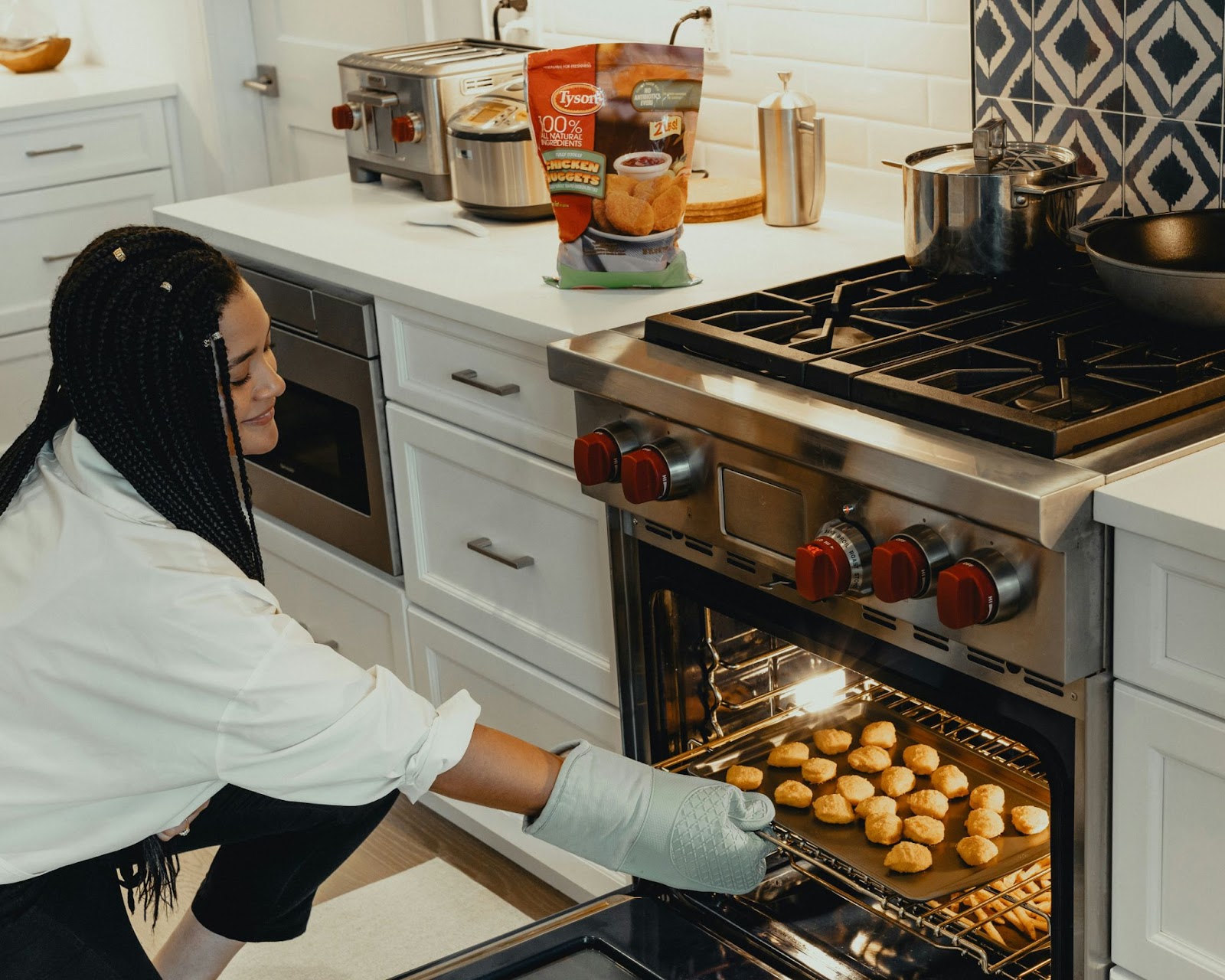
Here’s a smart (and energy-efficient) trick: turn off your oven five to ten minutes before your food is fully cooked. Thanks to their excellent heat retention, your dish will continue cooking without requiring additional energy. It’s a small step that adds up, especially if you use your oven often.
And if it’s winter? Leave the door open after cooking to let that extra heat warm up your kitchen naturally. Free bonus heat!
5. Keep It Clean Without Harsh Chemicals
A dirty oven isn’t just unpleasant to look at, it can actually mess with how your food cooks. Grease buildup can cause smoking, and burnt-on bits may disrupt heat circulation, leading to uneven cooking. So if your oven starts smelling funky every time you turn it on, it’s probably time for a clean.
Instead of using strong chemical sprays, try a gentler DIY method. Mix baking soda with a bit of water to form a paste, then spread it on the oven walls and let it sit overnight. The next day, wipe it down with vinegar and a cloth. This method is not only budget-friendly but also much safer for your food and your lungs.
6. Learn Your Hot Spots
Every oven has them those places where things brown faster or cook unevenly. The best way to discover them? Do the toast test.
Lay slices of bread across the oven rack and toast them. You’ll see which areas cook quicker (they’ll be browner) and which are cooler. This helps you rotate pans better and avoid surprises halfway through baking.
7. Turn It Into a Proofer
If you’re into baking bread or pizza, your oven can double as a proofing box. Most doughs need a warm, draft-free spot to rise. Simply turn your oven light on (not the heat setting) and place your covered dough inside. The ambient warmth will help your dough rise perfectly.
This little trick gives your yeast the environment it needs without investing in extra kitchen gadgets.
8. Get to Know Convection Mode
Source: Unsplash
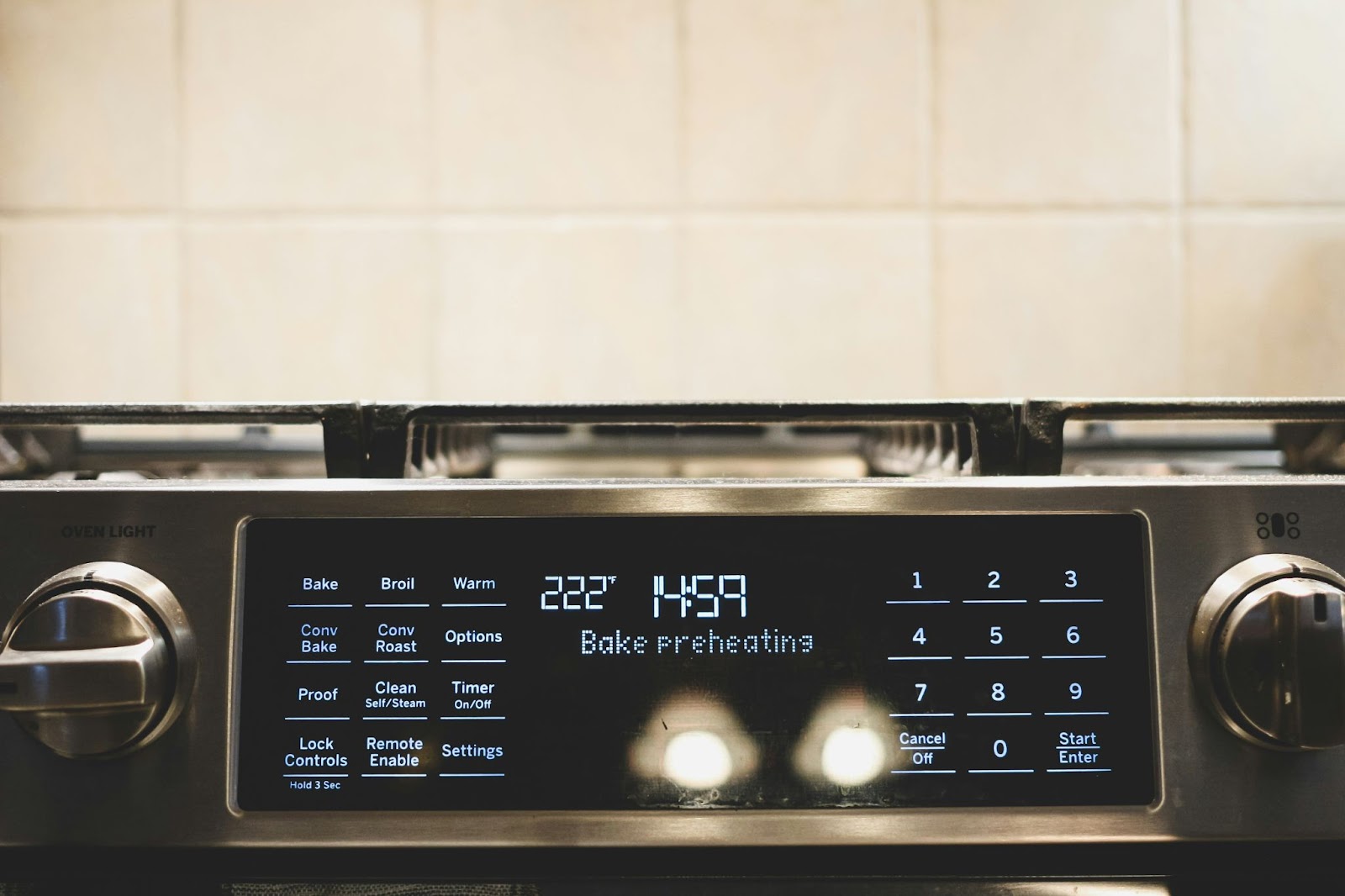
If your electric oven comes with a convection feature, don’t ignore it. It uses a fan to circulate hot air, helping food cook more evenly and sometimes faster. This is especially useful for roasting veggies or baking multiple trays of cookies.
Just remember to reduce the temperature by about 25°F (or 15°C) if a recipe doesn’t specify convection mode.
9. Make Use of Oven Residue for Flavor
Here’s a little chef’s secret: the caramelized bits left behind on roasting trays are packed with flavor. Known as “fond,” these can be deglazed with broth or wine to create quick sauces or gravies. So next time you’re roasting meat or veggies, don’t wash the pan immediately, use it to build something delicious.
10. Use Oven Time as Meal Prep Time
While something’s cooking, that 30-minute window is the perfect time to prep tomorrow’s lunch, make a side salad, or slice fruits for snacks. The oven creates a natural pause, and using that time intentionally helps you avoid weeknight cooking fatigue.
Think of your oven not just as a cooking tool but as a rhythm setter for kitchen flow.
Final Thoughts: Rethinking an Everyday Appliance
For many of us, electric ovens are just background noise in the kitchen, a default appliance we don’t think too much about. However, with a few smart habits, it can become a cornerstone of easier and more efficient home cooking. Whether it’s using leftover heat, mastering rack positions, or turning it into a dough proofer, your oven is more versatile than you give it credit for.
It’s less about fancy equipment and more about mindset. And once you start applying these hacks, you might just fall back in love with home-cooked meals.









Leave a Reply