
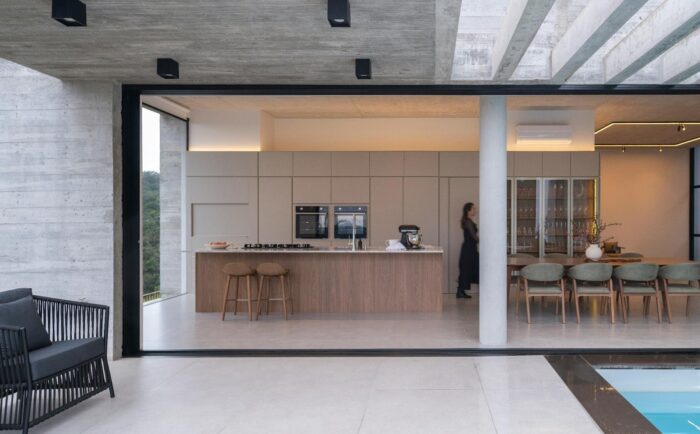
Interior design, much like fashion, is subject to trends that reflect cultural shifts, personal preferences, and technological advancements. In recent years, there has been an unmistakable trend blending functionality with visual appeal. This fusion isn’t just a matter of taste; it’s a universal design principle that governs the way spaces are both perceived and experienced.
From Open Spaces to Multi-Functional Zones
A decade ago, open-plan spaces were the hallmark of modern interiors. Now, the evolution sees these vast areas divided into multi-functional zones. The new focus is on ensuring that each space serves multiple purposes. One can see this clearly in the living room that functions as a workspace, relaxation nook, and social hub all rolled into one. The trick? Thoughtful furniture layouts and clever use of partitions like screens or indoor plants to subtly delineate zones without sacrificing flow.
With the increasing number of people working from home, the demand for versatile spaces has grown. This trend enables residents to maximize the use of every square foot, creating an environment that seamlessly transitions from focused work mode to leisurely downtime. Home offices blend seamlessly with the overall decor, where a console table serves as a desk during the day and an aesthetic display for decorative objects in the evening.
For example, custom kitchen renovation team projects by Superior Stone and Cabinet have embraced this philosophy, merging cooking spaces with dining and entertainment areas, thus crafting environments that cater to continuity in lifestyle activities.
Smart Living Meets Style
Incorporating technology into the home is no longer a luxury. It is now seen as a direct route to enhancing daily life. From voice-activated light systems to climate control apps, these advances seamlessly integrate with home aesthetics. The days of bulky tech overshadowing design are behind us. The focus is on harmony, ensuring these gadgets blend effortlessly into the existing style, offering both convenience and visual continuity.
Moving towards a more automated home doesn’t mean sacrificing warmth or charm. Homeowners are opting for devices with subtle design elements, such as wall-mounted touch panels with soft glow backlighting or speakers that resemble decorative objects, maintaining the balance between functionality and aesthetic appeal.
Biophilic Designs
There’s been a significant push towards incorporating nature into homes. Biophilic design emphasizes and prioritizes the human connection with the environment. It’s characterized by the use of natural materials, plants, and light to bring a bit of the outdoors in. This isn’t just about aesthetics; studies tout the benefits of indoor greenery on mental health and productivity.
In addition to living plants, interior designers are increasingly making use of natural textures like stone, timber, and fiber to deliver a sensory experience that feels calm and grounded. Indoor water features, like small fountains, emulate the tranquil sounds of nature, further bridging the gap between outdoor inspiration and indoor design.
Color as a Tool
The art of using color has taken a sophisticated turn. Neutral tones have long served as the backdrop for interiors, but they are now supplemented by bold accents. The deliberate use of color—whether a bright yellow chair or a striking blue wall—acts as a tool to define spaces and inject personality. Color is wielded strategically, ensuring it supports rather than disrupts the function of a space.
Color psychology continues to be at the forefront of creating interiors that affect mood and interaction. Warm colors may incite liveliness in social areas, while cool tones in bedrooms help to cultivate tranquility. This thoughtful application of color ideas encourages spaces to harmonize with the lifestyles they are designed to enhance.
Sustainability
Functionality and aesthetics aren’t the only priorities in contemporary interiors. There’s an increasing penchant for sustainability. This isn’t limited to using recycled materials but extends to energy efficiency and waste reduction. Homeowners are leaning towards furniture made from sustainable sources and are keen on employing fixtures that contribute to a reduced carbon footprint. This trend isn’t just green; it’s elegant, merging responsibility with sophistication.
Sustainable design also appeals to those interested in building a legacy with their homes. Investing in renewable resources and energy-saving technologies ensures that living spaces withstand the test of time while preserving the environment. Innovations such as solar panels and smart heating systems demonstrate a commitment that benefits both current and future generations.
Conclusion
The interplay of function and style in interior design is more than a trend; it is a testament to changing priorities. As homes evolve, they serve not just as places of respite but as dynamic environments catering to diverse needs and tastes. It remains clear that future trends will continue to emphasize this fusion, inviting homeowners to live their best designed—and most practical—life.










Leave a Reply