
Hard water is a common issue in many homes and can cause significant problems, from scaling on appliances to unwanted residue on dishes. This mineral-rich water contains high levels of calcium and magnesium ions, leading to limescale buildup, reduced appliance efficiency, and even skin irritation.
Take steps to address these water quality issues, and homeowners can save money and headaches in the long run. Explore effective strategies for managing hard water and improving home comfort.
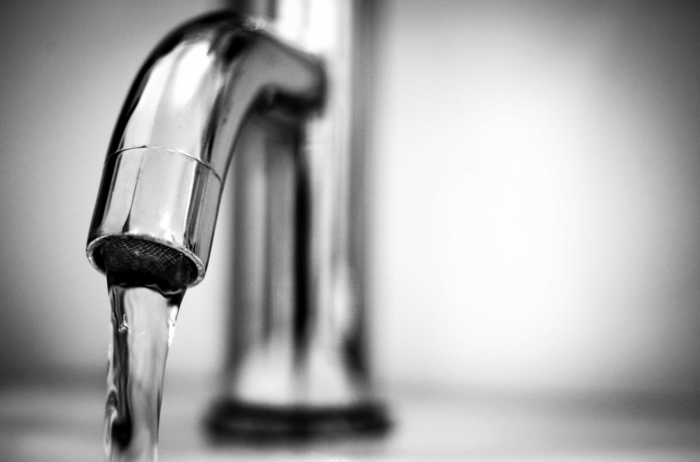
What is Hard Water?
To effectively tackle hard water, you must understand its properties and implications. Hard water is characterized by high concentrations of calcium and magnesium ions, which originate from the natural dissolution of minerals in soil and rock. When this water is heated, it leads to the formation of limescale, a whitish deposit that can clog pipes and reduce the efficiency of heaters and boilers.
Many households may not realize they have a hard water problem unless they notice the telltale signs, such as reduced water flow or scaling on faucets and showerheads. Testing for hard water is as simple as using a home test kit, which can provide immediate feedback on your water’s hardness levels. A hardness level of 3.5 grains per gallon or higher is recommended to avoid potential problems. Homeowners can implement necessary treatments before the situation escalates.
How to Avoid White Residue on Dishes
The most common complaint among households dealing with hard water is the presence of a white residue on dishes after washing. The minerals in hard water can react with dishwashing detergents, leading to a film that appears on glassware and utensils. Know that preventing white residue on dishes can be achieved through several practical strategies. Use a rinse aid specifically designed for hard water, which can help minimize spotting and improve drying results.
Setting your dishwasher to a higher temperature can promote better cleaning and effective detergent action. Regular cleaning of the dishwasher, including the filter, can improve performance and reduce buildup inside the appliance. Another effective strategy is to incorporate vinegar during the rinse cycle as a natural acid that helps diminish limescale deposition on glassware. Adopting these techniques can greatly improve the appearance of clean dishes and prolong the lifespan of the appliance.
The Impact of Hard Water on Household Appliances
Hard water can affect the lifespan and efficiency of household appliances. Dishwashers and washing machines are vulnerable, as the buildup of limescale can hinder performance and reduce their lifespan considerably. Limescale can obstruct heating elements, resulting in increased energy consumption and longer wash cycles.
Hard water can create issues with soap and detergent effectiveness, making it challenging to achieve the desired clean, fresh result. In dishwashers, this results in the notorious problem of cloudy glassware and spotty silverware, detracting from their appearance and necessitating additional cleaning efforts. The financial implications can be substantial from higher energy costs and potential repair bills. Take proactive measures against hard water to safeguard appliances and maintain their functionality so that they remain an investment.
Health Implications
The minerals in hard water may lead to a reaction that affects individuals prone to eczema or other skin conditions. Hard water can leave skin feeling dry and itchy, as it can hinder the effectiveness of soaps and cleansers. For many, this means that self-care routines may not deliver the expected results due to the interplay between hard water minerals and personal care products.
Family members with allergies or asthma might find that irritants like dust and skin particles accumulate more easily in hard water environments, worsening symptoms. The implications on skin health can encourage preventative action, like installing filtration systems or using softening agents in laundry and shower routines. Strategies to reduce skin irritation include utilizing gentle, moisturizing products that counteract the effects of hard water without sacrificing cleanliness.
Water Softeners
Water softeners are among the most effective long-term solutions for hard water problems. These devices work by exchanging calcium and magnesium ions with sodium or potassium ions. Installing a water softener at the point of entry ensures that all water in the home benefits from its treatment. The initial investment might be considerable, but the long-term benefits outweigh the costs.
Homeowners experience reduced cleaning time, lower energy bills, and a decrease in appliance wear. A malfunctioning softener can lead to renewed hardness problems. Some homeowners may mitigate the impact of hard water through the use of salt-free alternatives, such as descalers or magnetic water softeners, which claim to alter the structure of minerals. These options provide different functions and may appeal to various budgets and concerns.
Laundry Solutions for Hard Water Issues
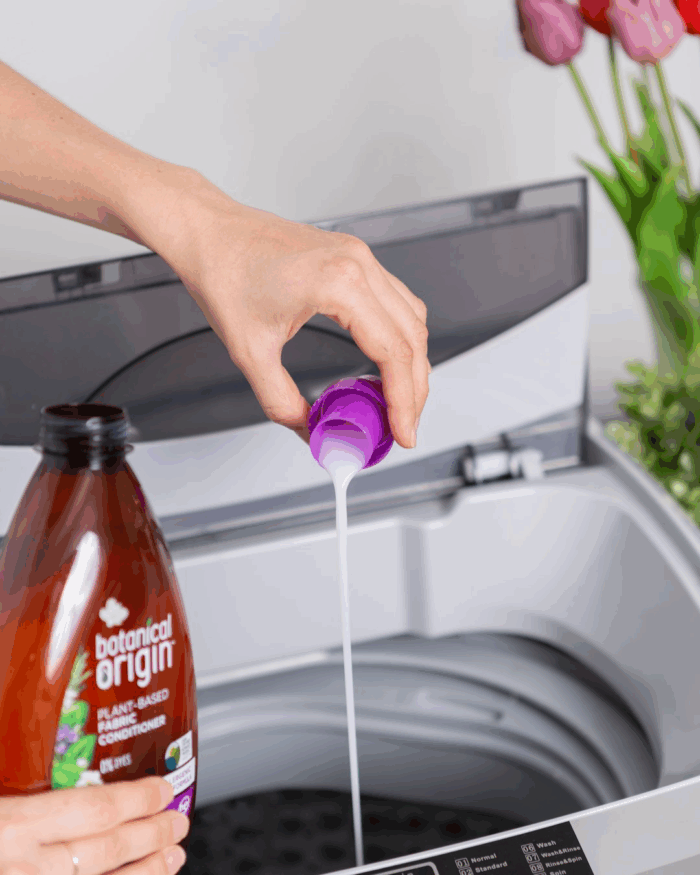
Hard water can result in dingy, stiff clothes that lack vibrancy and freshness. The minerals in hard water build up on fabrics, leading to a dull appearance and potentially affecting the integrity of the textiles. To combat these issues, the use of specialized laundry detergents formulated for hard water is recommended. These detergents are designed to work effectively in the mineral-rich environment, breaking down soap residues more efficiently. Adding a water softening agent to the laundry cycle can mitigate the impact of hard water on clothing.
Using a higher wash cycle temperature enables proper detergent and fabric interaction, promoting better cleaning results. Several homeowners find that soaking clothes in a solution before washing can loosen deposits before the wash cycle begins. Your washing machine should be free from limescale buildup by performing regular maintenance for a more pleasant experience.
Cost Considerations
Investing in solutions for hard water issues raises valid concerns about cost versus benefit. Initial expenses related to purchasing water softeners or descaling systems may be high, but the potential savings in appliance maintenance and energy efficiency justify the investment. Reducing the scale buildup can extend appliance life, lowering long-term expenses and repair rates.
The emotional relief brought by sparkling dishes and smooth skin shouldn’t be overlooked: these non-monetary aspects contribute to quality of life and home satisfaction. When considering the financial impact of hard water, factor in the costs of alternative cleaning solutions that are less effective against hard water’s effects. Homeowners to experience both tangible and intangible benefits without being burdened by unexpected challenges associated with hard water.
Hard water presents a multitude of challenges for homeowners, affecting everything from appliance performance to skin health. Understanding the nature of hard water and actively exploring solutions can help mitigate its impact. By implementing water softening technologies, preventative measures, and thoughtful product choices, many of the negative effects of hard water can be managed. Investing in solutions protects appliances and improves the quality of life, making for a more pleasant and efficient home environment.









Leave a Reply