
Freezers hold more than frozen peas and smoothie packs. They protect meal prep, reduce waste, and keep products sellable. Small home businesses feel every degree of temperature drift. Tight control turns a cost center into quiet reliability.
If you stock meal kits, frozen treats, or bulk produce, storage choices matter. Well-planned loading and maintenance reduce frost and energy spikes. Modern commercial freezers help households and micro-shops hold safe temperatures under heavy use. The right habits keep food quality steady and bills steady too.
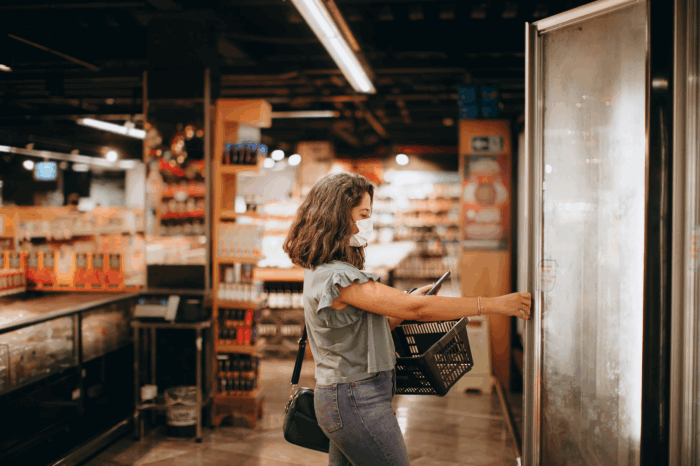
Photo by Helena Lopes
Set The Right Temperature And Verify Daily
A freezer that reads zero today can drift tomorrow. People open doors, fans clog, and probes loosen. Set the cabinet to 0 degrees Fahrenheit, then verify with a calibrated thermometer. Mark the reading at the same time each day.
Keep a simple log on a clipboard inside a sleeve. Record time, reading, and any action taken. If the number moves more than two degrees for three checks, investigate. Adjust the set point only after ruling out airflow or door issues.
Health guidance backs the 0 degree standard, and it is simple to keep. The United States Department of Agriculture explains freezing slows spoilage. A posted reminder helps staff and family follow the rule, every shift and every day.
Load And Label For Airflow, Not Just Convenience
Freezers chill air, not boxes. Air needs paths to move across evaporator coils and through shelves. Leave two to three inches between the back wall and stored items. Do not block fan guards with flat tubs or stacked lids.
Use this simple placement map to protect airflow and picking speed:
- Heaviest cases on lower shelves near the door hinge side.
- High-turn items at chest height, labels facing outward.
- Bulk bags in plastic milk crates to prevent slumping and blockage.
- A clear “no-stack zone” around fan shrouds and the rear wall.
Labels should carry product name, pack date, and use-by window. Face every label forward to prevent long door holds. A visible first-in, first-out mark on each shelf reduces digging. Shorter open times protect temperature stability and lower ice buildup.
Add colored tape for weekly rotations. Green for Week One, yellow for Week Two, red for Week Three. Color quickly guides pulls during busy moments. The faster the grab, the steadier the cabinet temperature remains.
Plan Defrost, Cleaning, And Gasket Care
Frost looks harmless, yet it insulates coils and steals capacity. A quarter inch of ice can lengthen compressor cycles. That raises energy use and warms product surfaces during swings. Build defrost into the weekly cleaning list.
Pick a slow hour and move goods to coolers or a second cabinet. Follow the manual for safe defrost procedures. Wipe drain pans, clear the drain line, and inspect fan blades. Remove cardboard dust that settles on motor housings.
While the interior dries, check gaskets with the dollar-bill test. Close the door on a bill and pull gently. Replace gaskets that release the bill without resistance. Tight seals cut condensation, which means less frost and better temperature stability.
Coil cleaning pays back quickly. Dusty condenser fins force longer run times. Brush fins with a soft brush and vacuum carefully. If grease is present, use a coil cleaner rated for commercial equipment. Dry thoroughly before restarting the unit.
Energy performance ratings can guide cabinet selection and upgrades. Certified models cap consumption while maintaining pull-down times.
Monitor Doors, Usage Patterns, And Alarms
Most temperature spikes start with doors. Recheck self-closing hinges so doors return fully without a push. Replace bent handles and loose closers. A door that stays open for thirty seconds can lift interior temperature several degrees.
Watch usage during peak hours. If one freezer serves several workstations, traffic will keep it warm. Stagger prep steps to reduce simultaneous door openings. Place high-turn items near the front with clear dividers. Small changes save minutes and hold colder air inside.
Consider adding a simple digital data logger. A cheap sensor provides graphs for every day. Review patterns for open-time clusters, then adjust storage layout. An alert at a set threshold prompts action before quality slips.
Do not ignore small noises. A new rattle might be a fan clip or loose panel. Address it before it shakes wiring or cracks insulation. Quiet machines run cooler and last longer, especially in shared household and business spaces.
Power, Placement, And Maintenance Logs
Freezers perform better with clean power and proper clearance. Dedicated circuits prevent nuisance trips during compressor starts. Verify voltage matches the nameplate and use the correct receptacle. Keep extension cords out of the plan, since they add heat and risk.
Placement matters more than many people expect. Leave recommended clearance on all sides for airflow. Avoid direct sun and heat sources like ovens or steamers. Level the cabinet so doors seal well and defrost drains correctly.
Create a one-page maintenance log and post it near the unit. Include daily temperature checks, weekly coil inspections, and monthly gasket reviews. Add an annual professional service line for refrigerant checks and electrical testing. Sign and date every entry for accountability.
For households that support a small baking brand or frozen treat pop-up, documentation helps. Shared spaces change hands often. A short, visible log keeps tasks from slipping through. That steadies quality, waste rates, and power costs for everyone involved.
Matching Capacity To Demand Without Overbuying
Right-sized storage prevents waste and short cycles. Too little space leads to crushed packaging and blocked vents. Too much space invites long door times while hunting and loads that never quite settle. Map volume against weekly sales or meal prep output.
Start with your busiest week. Count cases or pans by category, then add a buffer equal to fifteen percent. That buffer covers holiday swings or farmer’s market wins. Write the number on the unit’s door as a visual stop sign.
If you run out of space, solve the cause first. Trim low-turn items, resequence prep days, or use smaller pans. Only add another cabinet when the log proves sustained overflow. Measured growth saves energy and prevents clutter from swallowing airflow.
Modern models offer features that ease daily work. Night covers, brighter interior lighting, and adjustable shelves reduce hold times. Review those details when comparing options. The right fit supports both family meals and steady micro-business output.
A small business with steady frozen items benefits from reliable equipment. Purpose-built units for busy environments hold temperature during door openings and hot days. They resist denting and keep parts available. That stability protects product and reduces replacement frequency over time.
Final checks matter. Confirm warranty terms, local service availability, and spare part access. Balance sticker price with lifetime cost and uptime. A reliable freezer becomes a background asset that keeps plans on schedule.

Photo by Helena Lopes
An Efficient Finish
Strong freezer habits protect quality, save time, and cut energy use. Set a true zero, create airflow, and keep doors sealing tight. Clean coils and plan defrost before frost robs capacity. Match storage to demand and make logs visible. With practice, your freezer supports home cooking and small business needs with steady, quiet confidence.










Leave a Reply