
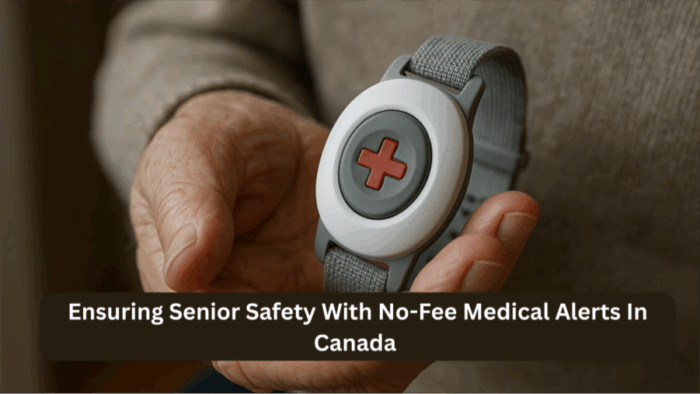
Every family with elderly parents or grandparents has the same concern: What if they fall, feel ill or encounter an emergency when there’s no one around?
A small accident at home, such as slipping in the bathroom, can easily turn into a life-or-death situation without prompt assistance. Even routine activities like stepping outside for a walk can pose a risk for seniors managing health conditions. And worrying about missed phone calls or relayed replies leads to continuous stress for both the elderly and those who care for them.
Families are looking for reassurance, while seniors want independence and not to feel like a burden.
Here, medical alert systems come into action.
But there are many who are reluctant to use them because of hidden costs, setup fees and complicated contracts. Thankfully, uncomplicated no-fee medical alert services are now available in Canada that offer safety at a price you can afford.
This blog explores how no-fee medical alerts keep seniors safe, independent, and financially secure.
Why Senior Safety Needs a Smarter Approach?
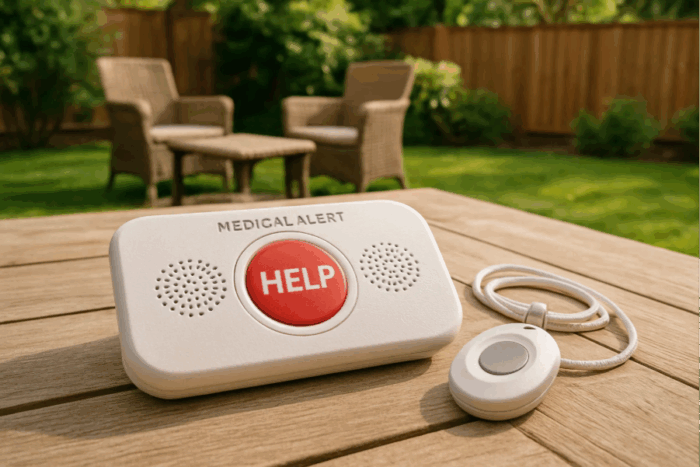
Conventional emergency plans tend to rely on the availability of landlines, neighbors or family members. However, during a sudden episode, those options are not dependable. For seniors living alone or couples coping with chronic illness, something more reliable is needed.
Medical alert systems for seniors free Canada no fees offers that reliability by providing seniors with immediate 24/7 access to trained responders without any unnecessary costs to worry about.
In addition to the immediate help they provide during emergencies, these systems also help seniors maintain independence, eliminate family stress by knowing help is always available, and create peace of mind both in and outside the home.
By eliminating the cost as a barrier, they’re ensuring that safety is a possibility for every family.
Value of No-Fee Medical Alert Systems
There are many medical alert providers that charge for equipment, installation or cancellation. These hidden costs can deter families from opting for the medical alert services.
No-fee systems, on the other hand, knock those barriers down by giving you the equipment when you sign up for services. All seniors simply pay a monthly plan and immediately gain access to professional monitoring. This makes security affordable and within reach.
How No-Fee Medical Alerts Work?
It’s a simple, but powerful system.
Seniors get a device — either a home base with a wearable pendant or a mobile GPS-enabled unit. One press of a button links them to a monitoring center. A staff of trained professionals evaluates the situation, sends assistance, and alerts family members.
Features such as fall detection will automatically set off alerts if a senior is unable to press the button. Also, because of GPS, responders will be able to find them when outdoors, providing an additional level of safety.
Key Features Enhancing Senior Protection
- 24/7 Monitoring – Emergency specialists are available at all times, reducing delays in response.
- Two-Way Voice Communication – Seniors can speak directly with responders through the device.
- Fall Detection – Automatic sensors detect sudden drops and send alerts without manual input.
- GPS Tracking – Mobile systems provide location accuracy, critical for outdoor emergencies.
- Water-Resistant Wearables – Pendants and wristbands can be worn in the shower, where many falls occur.
- Battery Backup – Home systems include backup power to stay functional during outages.
Benefits Beyond Emergency Response
No-fee medical alerts offer more than fast access to help. They reduce anxiety for both seniors and families. Seniors gain the confidence to maintain independence, while family members feel reassured that someone is always monitoring.
In addition, the absence of contracts or equipment fees makes it easier to start and stop the service based on changing needs. This flexibility ensures seniors only pay for the support they truly need.
Comparing In-Home and Mobile Options
Seniors lead different lifestyles, so providers usually offer two types of devices.
- In-Home Systems: Ideal for seniors who spend most of their time indoors. They require a base station with a long-range pendant and are great for home risk management.
- Mobile Systems: Minted for active elders, these portable devices offer GPS and cellular connectivity. Using them, seniors stay safe whether they are walking, hanging out with friends or running errands.
Which one is better for you depends on how frequently you move around, what your day-to-day routine looks like and whether you’re the type of person who feels comfortable using wearable technology.
Role of Fall Detection in Senior Safety
Falls remain one of the biggest risks for seniors. According to health studies, most serious injuries in older adults result from falls. Relying on manual buttons may not always be practical, especially if the senior is unconscious or injured.
Automatic fall detection addresses this concern by ensuring alerts are sent even without user action. For families, this feature provides unmatched peace of mind.
Financial Accessibility of No-Fee Systems
Affordability is crucial when selecting a medical alert service. Many seniors live on fixed incomes, so ongoing costs must remain reasonable. No-fee systems remove upfront equipment charges, lowering the entry barrier.
With plans starting at around $35 to $55 per month in Canada, families can budget for safety without financial strain. Over time, this affordability encourages consistent usage and long-term reliability.
Safety Without Barriers
Senior safety is not about limiting independence—it is about creating security that allows life to be lived fully. No-fee medical alert systems in Canada provide an affordable, reliable, and stress-free solution for families who want the best for their loved ones.
By combining 24/7 monitoring, fall detection, GPS tracking, and transparent pricing, these systems make protection simple and accessible. Choosing one is not just a safety decision; it is a step toward peace of mind, freedom, and dignity in the later years of life.











Leave a Reply