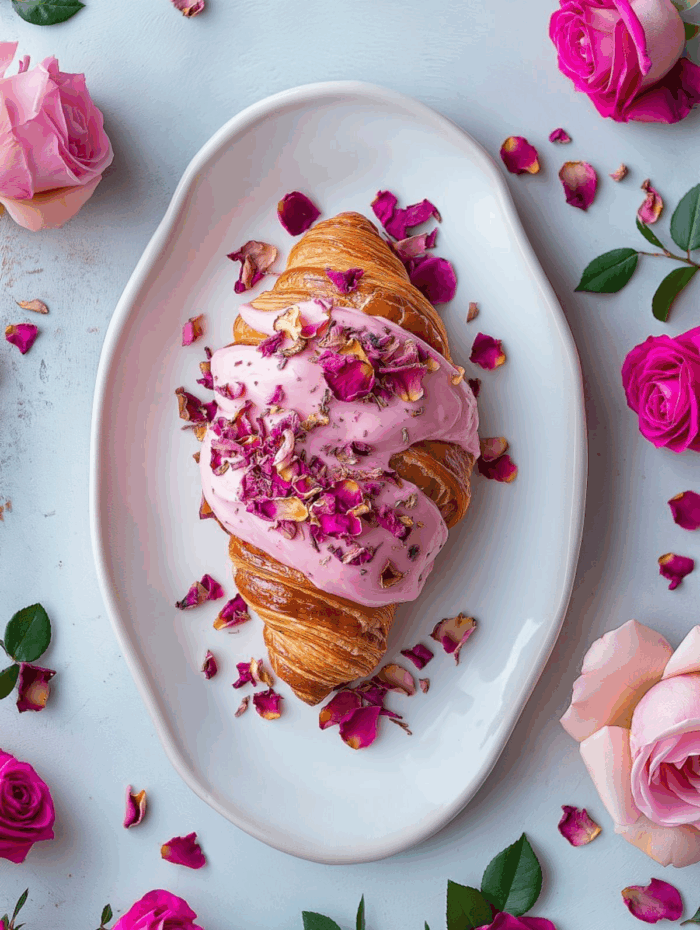
I still remember the first time I tasted a honey-infused lilac. I stood in my grandmother’s garden in early May, surrounded by heavy, purple clusters of blooms. I plucked a single floret and dipped it into a jar of raw clover honey. The flavor didn’t just hit my tongue; the aroma filled my entire head with a floral, slightly spicy sweetness. That moment changed my perspective on pastry. For the last twenty years, I have moved beyond simple garnishes. I now treat every petal as a complex ingredient with its own volatilomic fingerprint. Whether you are searching for the best flowers for mom to brighten her kitchen or experimenting with your own confections, understanding these blossoms makes all the difference. Modern science confirms what my palate already knew. Edible flowers contain phytochemicals and antioxidants that offer health benefits alongside their unique flavors. We are currently seeing a shift where bakers treat flowers as integral components rather than mere decorations.
I want to guide you through this delicate landscape. Flowers bring more than just color to a plate. Each bloom possesses a specific chemical profile that interacts with sugars, fats, and acids. When you understand these interactions, you elevate a simple sponge cake into a piece of art. This guide provides everything you need to know about incorporating nature’s most beautiful offerings into your baking repertoire.
Edible flowers safety: what every baker must know before harvesting
Edible flowers demand strict safety standards because many common garden plants harbor dangerous toxins. You must identify every blossom with absolute certainty before you serve it to a guest. I follow a simple rule in my kitchen: if I cannot name the flower, I do not use the flower. Some plants look beautiful but contain deadly compounds. Lily of the Valley contains cardiac glycosides that disrupt heart rhythms. Foxglove produces digitalis, which causes severe poisoning in humans. Even the common oleander poses a lethal threat if a baker places it near food.
Pesticides represent another major risk for culinary enthusiasts. Commercial florists often treat their stock with systemic pesticides and fungicides. These chemicals penetrate the plant tissues and survive the washing process. You must never eat flowers from a traditional flower shop or a grocery store floral department. I only source blooms from certified organic growers or my own private garden. This practice ensures that the petals remain free from toxic residues. Actually, here’s a secret: I always wash my harvested blooms in a gentle bowl of cool water to remove tiny insects and dust. I then dry the petals on a lint-free towel to preserve their texture.
Identification guides help bakers distinguish between safe and dangerous species. I recommend using a high-quality botanical manual or a reputable plant identification app. You should focus on the scientific names of plants. Common names often lead to confusion between edible and toxic varieties. For example, some people confuse edible sweet peas with toxic wild sweet peas. You protect your guests when you verify the Latin name of every bloom.
Edible flowers flavor spectrum: from peppery nasturtiums to sweet violets
Edible flowers provide a vast range of flavors that surprise the modern palate. I categorize these blooms by their primary taste profiles to help you pair them with different dessert bases. Each flower contributes a specific sensory experience that goes beyond visual appeal.
Bold and savory flowers
· Borage is a blue, star-shaped herb. Borage provides a refreshing flavor similar to a crisp cucumber.
· Calendula is a vibrant orange or yellow marigold. Calendula offers a peppery, saffron-like note to custards and doughs.
· Nasturtium is a trumpet-shaped flower in warm hues. Nasturtium delivers a sharp, peppery bite that balances heavy chocolate or sweet honey.
Sweet and neutral blooms
· Pansies are multi-colored, flat-faced flowers. Pansies offer a very mild, wintergreen-like flavor that works in almost any sweet context.
· Violas are smaller relatives of the pansy. Violas provide a delicate, slightly sweet taste that complements light mousses.
· Apple blossoms are pale pink or white tree flowers. Apple blossoms contribute a subtle floral sweetness and a hint of fruitiness to spring tarts.
Intense aromatics
· Lavender is a tall, purple spike. Lavender releases a powerful, camphor-like perfume that requires careful measurement in shortbread.
· Rose is a multi-petaled, classic bloom. Rose provides a deep, romantic floral flavor that pairs perfectly with raspberries and cream.
· Jasmine is a small, white nocturnal flower. Jasmine offers an exotic, heady fragrance that infuses beautifully into warm milk bases.
Edible flowers technical applications in the kitchen
Edible flowers require specific techniques to preserve their delicate oils and vibrant colors. I have spent years refining the methods I use to incorporate these botanical elements into high-end pastries. You must choose the right technique based on the desired intensity of the floral flavor.
Floral infusions and syrups
Pastry chefs use infusions to extract the volatile oils from flower petals into liquid bases. I often use the chamomile ganache technique which I learned in French pastry school. I heat heavy cream until the liquid reaches a simmer. I then add dried chamomile flowers to the hot cream and cover the pot for ten minutes. This process captures the apple-like scent of the chamomile without bruising the delicate petals. You can apply this same method to milk, butter, or simple syrups. I use floral syrups to soak sponge cakes or flavor Italian buttercream. A lavender-infused simple syrup adds a sophisticated layer to a lemon layer cake.
Crystallizing and candying
Crystallizing preserves the shape and color of fresh blossoms for several weeks. This technique allows you to decorate cakes with shelf-stable, edible jewels. I begin by whisking a small amount of egg white until the liquid becomes frothy. I use a fine paintbrush to coat both sides of a pansy or viola with the egg white. Then, I sprinkle extra-fine superfine sugar over the wet petal. I place the coated flowers on a wire rack to dry for twenty-four hours. The sugar creates a crunchy, sparkling shell that protects the flower. Actually, here’s a tip: use pasteurized egg whites to ensure food safety for all your guests.
Baking flowers directly
Bakers often press flowers directly into doughs or batters before the baking process begins. I love pressing whole pansies onto the surface of shortbread cookies. I place the flower face-down on the chilled dough and press the petal gently with a rolling pin. The heat of the oven sets the flower into the cookie. This method works best with flat, thin flowers that do not contain much moisture. If you use thick flowers like roses, the petals may brown or shrivel in the high heat. I find that lower oven temperatures preserve the pigment of the petals more effectively. Now, about that color: some flowers like hibiscus will change the pH of your batter and turn your cake blue or purple.
Edible flowers sourcing in the United States
Edible flowers are becoming more accessible to home bakers across the United States. You have several options for obtaining high-quality, food-grade blooms for your projects. Your choice depends on your location, your budget, and the specific season.
Growing your own flowers offers the highest level of quality control. Many American gardeners use hydroponic systems to grow pansies and violas indoors during the winter months. Hydroponic setups allow you to monitor the nutrient levels and ensure a pesticide-free environment. If you have a backyard garden, you should plant your edible crops away from roadsides. Dust and exhaust fumes from cars can contaminate your harvest. I always use organic compost to nourish my rose bushes and lavender plants.
Buying from reputable suppliers is a great alternative for urban bakers. Specialty grocers like Whole Foods often carry small clamshells of edible flowers in the produce section. You should check the labels to ensure the product is intended for human consumption. I also recommend specialized online vendors who ship fresh blossoms directly from organic farms. These suppliers use overnight shipping and cold packs to maintain the freshness of the blooms. When the package arrives, you should inspect each flower for wilting or bruising. I immediately transfer the flowers to a container with a damp paper towel to extend their lifespan.
Edible flowers creative dessert recipes to try this spring
Edible flowers transform standard recipes into extraordinary culinary experiences. I have designed these concepts to highlight the unique attributes of different spring blooms. You can adapt these ideas based on the flowers available in your local region.
Honey-lilac donuts combine the rustic charm of fried dough with the ethereal scent of spring. I infuse the milk for the yeast dough with fresh lilac florets for one hour. After frying the donuts, I dip the warm pastry into a glaze made from local honey and lilac tea. I garnish the top with a few fresh, raw florets to provide a pop of purple color. The floral notes cut through the richness of the fried dough beautifully.
Rose water granola offers a sophisticated twist on a breakfast classic. I toss rolled oats and marcona almonds with a mixture of melted coconut oil, maple syrup, and two tablespoons of high-quality rose water. I bake the granola at a low temperature to prevent the rose flavor from evaporating. After the mixture cools, I toss in dried rose petals and freeze-dried raspberries. The rose aroma greets you the moment you open the jar.
Hibiscus iced latte serves as a refreshing accompaniment to any floral dessert. I brew a concentrated tea using dried hibiscus sepals and water. Hibiscus provides a deep crimson color and a tart, cranberry-like flavor. I pour the chilled hibiscus concentrate over ice and add whole milk or a creamy oat milk. The acid in the hibiscus creates a beautiful marbled effect when it meets the milk. I sweeten the drink with a touch of agave nectar to balance the natural tartness.
FAQ: common questions about floral desserts
I receive many questions from students about the practicalities of working with flowers. These answers will help you navigate the daily challenges of floral gastronomy.
· Can I eat flowers from a florist? No, you cannot eat flowers from a traditional florist. These businesses use systemic pesticides and preservatives that are not safe for ingestion.
· What parts of the flower are edible? Most recipes require only the petals of the flower. You should remove the green sepals, the stems, and the bitter centers like pistils and stamens.
· How long do fresh edible flowers last? Fresh edible flowers last about two to three days in the refrigerator. You should store the blossoms in an airtight container between layers of damp paper towels.
· Do all flowers taste like they smell? Many flowers taste different than their fragrance suggests. For example, a lavender flower tastes much more intense and soapy than its sweet scent implies.
· Can I use dried flowers instead of fresh? Dried flowers work well for infusions and doughs where texture is not a primary concern. You should use fresh flowers for garnishes and crystallization to maintain visual appeal.
I believe that flowers represent the pinnacle of “slow food” and mindful eating. When you add a flower to a plate, you ask your guest to slow down and appreciate the fleeting beauty of the season. This practice connects us to the cycles of nature in a way that processed ingredients never can. I encourage you to start small by adding a few pansies to your next batch of cookies. You will soon discover that the garden is just as important to the pastry chef as the pantry. Take your time, source your blooms safely, and let the natural world inspire your next sweet creation.

Leave a Reply