
Each year, thousands of individuals across various age groups confront the danger of drowning due to inadequate swimming skills. The Centers for Disease Control and Prevention reports that an average of 3,536 fatal unintentional drownings occur annually in the United States. Mastering safe swimming techniques remains a vital lifesaving skill for everyone, regardless of age. Understanding and practicing these skills can significantly mitigate the risks associated with water activities.
Swimming not only provides a refreshing way to exercise but also equips individuals with the competence needed to navigate aquatic environments confidently. From toddlers to seniors, learning to swim is fundamental for personal safety and enjoyment. Below, we delve into the reasons why swimming skills are indispensable for all ages.
Diving Into Safe Swimming: Essential Skills Across Different Age Groups
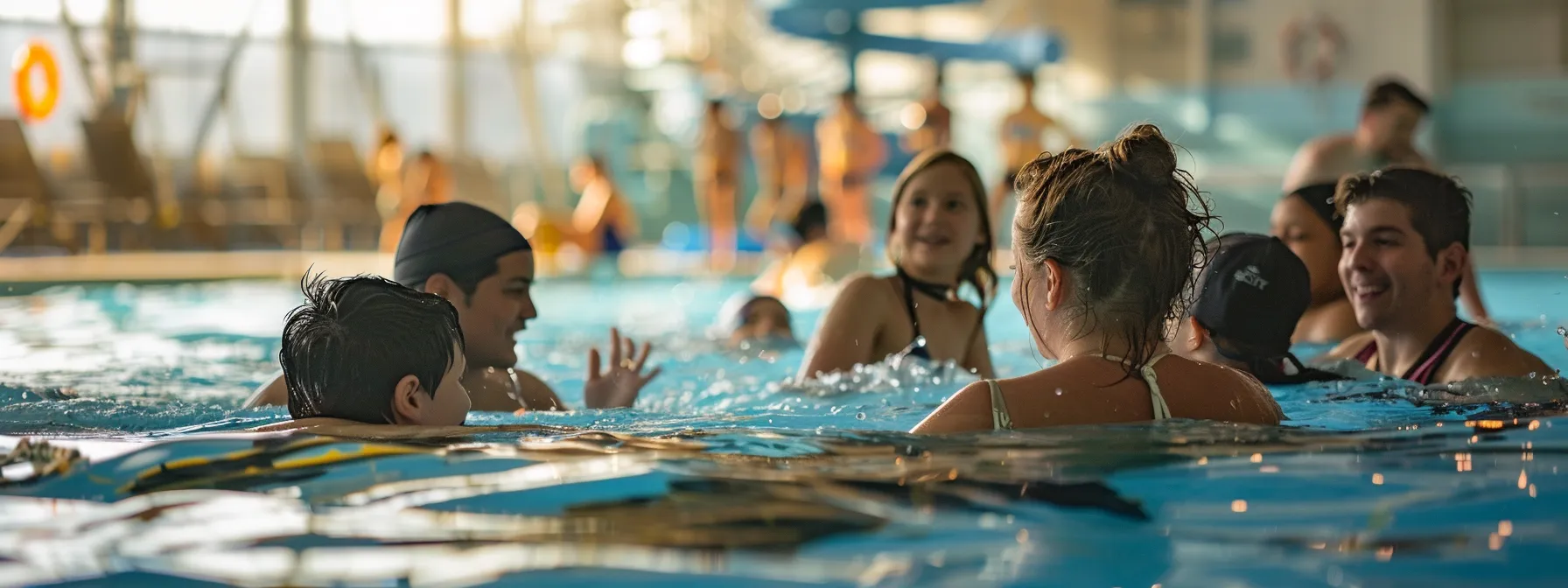
Swimming competency must evolve with age, from basic water familiarity for children to endurance and rescue skills for adults. The American Academy of Paediatrics recommends swim lessons for children as young as one year old as a layer of protection against drowning. Learning to swim from a young age sets the foundation for water safety and comfort that will serve throughout one’s life.
For teens and adults, advanced swimming skills are more about technique and stamina. The ability to swim longer distances, tread water, and manage in various water conditions can be the difference between life and death during an unexpected situation. Schools and community centers often offer age-appropriate swimming lessons programs to cater to these needs.
Seniors benefit from swimming by maintaining flexibility and balance, which can prevent falls in water. Specialised swim programs for the elderly often emphasise joint-friendly exercises and the importance of swimming with a buddy for added safety precautions.
Overcoming Water Fears with Proper Swimming Techniques
Fear of water, or aquaphobia, can prevent individuals from learning essential swimming skills. Overcoming this fear is often the first hurdle in becoming a confident swimmer. Successful techniques focus on gradual exposure, starting with sitting on the edge of the pool and progressing to full submersion.
Guidance from a certified instructor can be key in addressing such fears, offering reassurance and step-by-step skill development. Instructors can tailor the pace to each individual’s comfort level, ensuring each step is a positive experience that builds confidence in the water.
Ultimately, the repetition of positive swimming practices helps overcome anxiety and develop a sense of control in the water. Encouragement and celebrating small victories play substantial roles in transforming apprehension into assurance.
Lifesaving Swim Skills: More Than Just Staying Afloat
Swimming is not only about propelling oneself through the water but also includes a range of lifesaving skills. These skills, such as successfully executing rescue breaths, performing cardiopulmonary resuscitation (CPR), and using a life jacket, can turn swimmers into lifesavers.
Education around water safety rules, such as swimming in designated areas and understanding beach warning flags, adds layers to one’s aquatic literacy. Awareness of these rules drastically reduces the risk of accidents and improves the ability to respond in emergency scenarios.
To maximise safety, swimmers should also learn how to identify and manage common water hazards such as rip currents and hypothermia. Knowing when to seek help and how to conserve energy if stranded can save lives until rescue arrives.
Creating a Culture of Water Safety: Education and Community Involvement
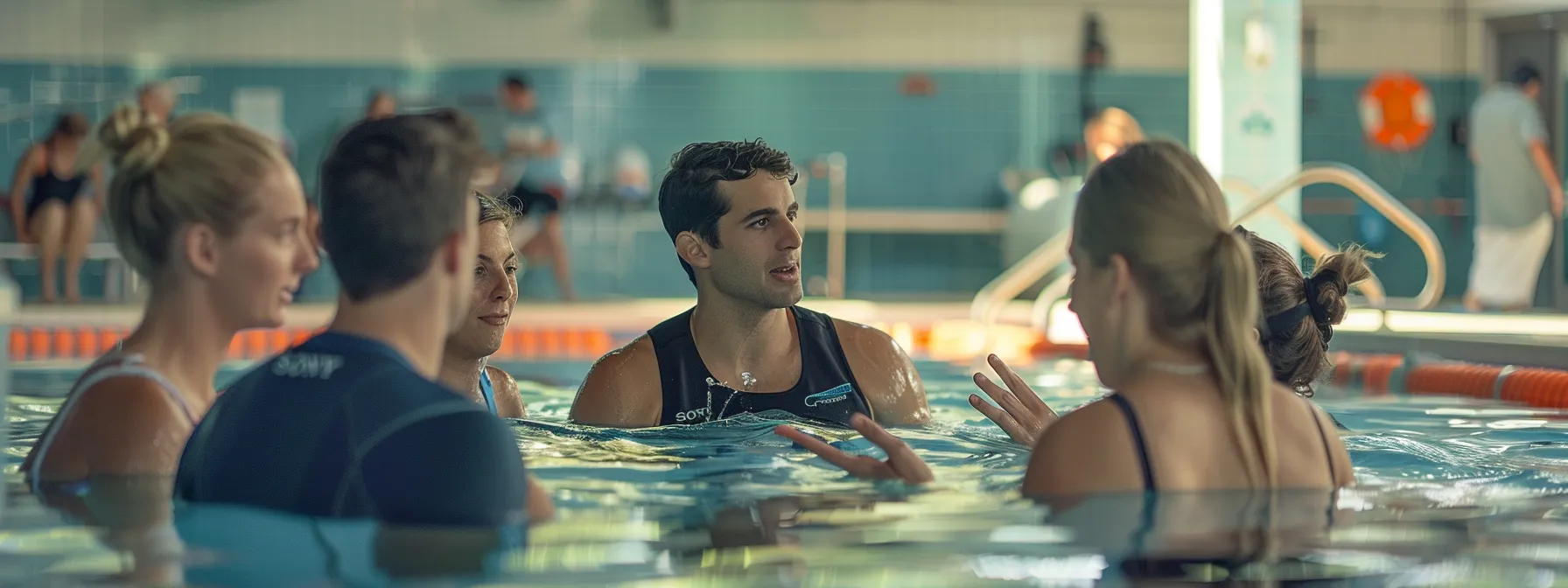
Inculcating water safety as a societal norm starts with comprehensive education and engagement at all community levels. Schools and communities that prioritise swimming education create safer environments for everyone to enjoy water-related activities.
Partnerships among local governments, non-profits, and businesses can help establish swim clinics, water safety seminars, and lifeguard training programs. These joint efforts can amplify the reach of water safety education while making swimming lessons more accessible to underrepresented communities.
Community involvement also entails awareness campaigns on the importance of supervision, especially for children, and sharing success stories of lives saved through swimming competence. Such narratives inspire others to prioritize acquiring or improving their swimming skills.
Cultivating safe swimming skills is essential for individuals across all age groups, not only as a sport or recreational activity but as a critical safety measure. Overcoming water fears, mastering life-saving swim techniques, and fostering a culture of water safety collectively contribute to significantly lowering the rates of water-related incidents. By emphasising swimming education and community engagement, a culture of respect and awareness around water can be established, ultimately saving lives.










Leave a Reply