
Maintaining healthy hair often takes more than just the right shampoo and conditioner. The daily habits we adopt can profoundly influence the health of our hair. From diet to stress management, the choices we make daily directly correlate with the vitality and appearance of our hair. Understanding how these habits impact hair health enables us to make informed decisions that promote beautiful, resilient hair that withstands the challenges presented by both aging and environmental factors.

Diet and Nutrition
The food we consume plays a monumental role in the growth and maintenance of our hair. Hair strands are primarily made of a protein called keratin, and incorporating adequate protein into our diets is vital for promoting hair health. Foods rich in omega-3 fatty acids, iron, and vitamins A, C, and E contribute significantly to maintaining hair vitality.
Fatty fish, leafy greens, and nuts provide the nutrients necessary for healthy hair follicles. A study from the Journal of Clinical and Aesthetic Dermatology indicates that diets deficient in key micronutrients may lead to hair thinning and loss, drawing a direct link between nutrition and hair health.
Hydration Matters
Just like every other part of our body, hair is affected by our hydration levels. Water contributes to the elasticity and strength of our hair, making it less prone to damage and breakage. Insufficient hydration can lead to dry and brittle hair, which is more susceptible to shedding.
Dehydration can impede the health of hair follicles, potentially stalling growth and leading to hair loss. Aim to drink enough water throughout the day to ensure that both your hair and skin remain hydrated, promoting health.
Stress Management Techniques
Chronic stress can wreak havoc on our physical health and is particularly detrimental to hair. High levels of stress can cause a condition known as telogen effluvium, where more hair follicles enter the resting phase, leading to increased shedding. Incorporating stress management techniques, such as mindfulness meditation, yoga, or engaging in hobbies, can help mitigate the effects of stress on hair growth.
Regular physical activity can prove beneficial, as it boosts circulation, supporting the delivery of nutrients to hair follicles and promoting a healthy growth environment. Consistently practicing these stress-reducing habits supports hair health and enhances well-being and mental clarity. Managing stress effectively can help maintain stronger, thicker hair while preventing premature shedding caused by prolonged tension.
The Impact of Styling and Care Practices
The way we style and take care of our hair daily contributes greatly to its longevity. Frequent heat styling, using blow dryers, curling irons, or straighteners, can cause significant damage, leading to dryness and breakage. To maintain healthy hair, it is advisable to limit heat exposure and use protective products, like heat protectant sprays, before styling.
Being conscious of how tightly hairstyles are worn can protect against traction alopecia, a form of hair loss caused by excessive tension on the hair follicles. Regular trims help lift split ends, improving the appearance of your hair.
Understanding Hair Loss and Transplant Options
For those experiencing hair thinning or loss, understanding the various factors contributing to this change is vital. Recognizing the different stages of hair loss can help individuals make informed decisions about treatment options. Hair transplants have become a popular solution for restoring hair growth for many individuals facing significant hair loss.
It’s important to approach this treatment with a clear understanding of what it entails. Proper consultation with a hair specialist can help decipher the best options based on the individual’s specific circumstances, including their health condition, extent of hair loss, and lifestyle choices. Individuals should consider all aspects involved, from financial implications to recovery time, to determine if a hair transplant suits their long-term needs.
Environmental Factors and Hair Health
The environment plays a significant role in hair health. Exposure to pollution, UV rays, and harsh weather conditions can damage hair. Pollution can create buildup on the scalp, leading to conditions such as dandruff and flaking, which affect hair growth.
Ultraviolet rays can weaken hair’s protein structure, causing it to become brittle and more prone to breakage. Protective measures, such as wearing hats in the sun and using products designed to shield hair from environmental stressors, can help maintain hair health. Regular cleansing and conditioning, after exposure to pollutants, are crucial to keep hair clean and healthy.
Establishing a Consistent Hair Care Routine
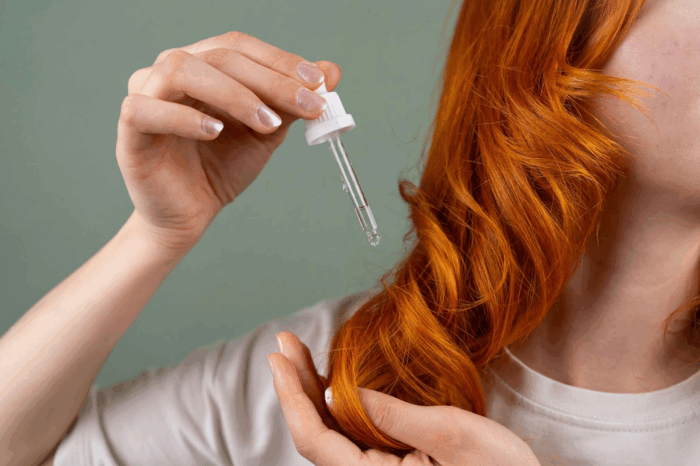
A consistent hair care routine tailored to your hair type can greatly enhance hair health and appearance. Regular washing with a suitable shampoo and conditioner is key to removing buildup and keeping the scalp healthy. Consider products formulated without harsh chemicals, as these can strip crucial oils from hair, leaving it dry and lifeless. Avoid shampooing every day to prevent over-drying. Two to three times a week may be sufficient for most hair types.
Incorporating deep conditioning treatments and hair masks can replenish moisture and nutrients, promoting stronger, shinier hair. Establishing such a routine nourishes hair and allows individuals to build a proactive approach to hair health.
The Role of Sleep in Hair Health
Quality sleep is often overlooked and is necessary for maintaining healthy hair. During deep sleep, the body undergoes repair and regeneration processes that directly affect hair follicles. Poor or insufficient sleep can disrupt hormone levels, including cortisol and melatonin, which may negatively impact hair growth and contribute to thinning.
Prioritizing 7–9 hours of uninterrupted sleep per night, along with maintaining a consistent sleep schedule, supports the body’s natural repair mechanisms and fosters optimal hair health. Incorporating sleep hygiene practices, such as limiting screen time before bed and creating a calming bedtime routine, can further enhance these restorative benefits for hair and wellness.
Daily habits influence hair health profoundly, reflecting both in appearance and growth. By focusing on nutrition, hydration, stress management, and proper hair care practices, individuals can effectively support and enhance their hair’s vitality, leading to healthier, more resilient hair.
Protecting hair from environmental stressors, moderating styling practices, and prioritizing restorative sleep all contribute to long-term hair wellness. Awareness and consistency in these daily routines empower individuals to prevent premature damage, minimize hair loss, and maintain strength, shine, and thickness.
Taking a holistic approach that addresses lifestyle, diet, environment, and self-care ensures that hair remains beautiful, strong, and resilient, allowing individuals to feel confident in their appearance every day.









Leave a Reply