
Running a small food business turns every appliance into a line on the budget. A display freezer is one of the biggest. It runs around the clock, holds your stock, and quietly shapes both your power bill and your food-safety record. Choosing the right one pays off for years.
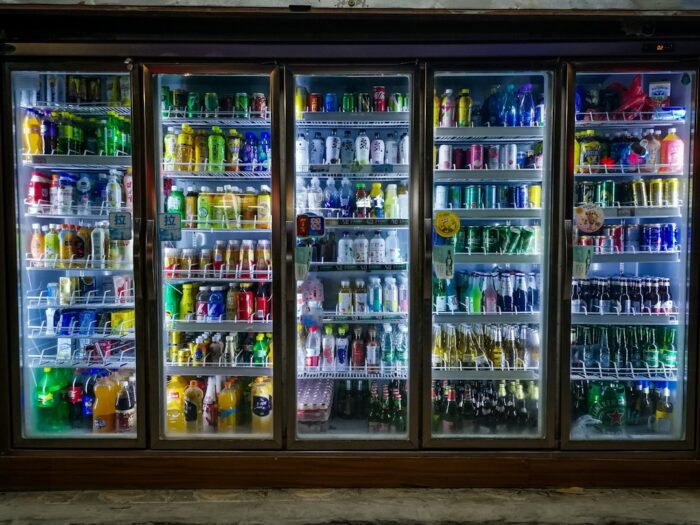
Alt text: A commercial glass door display freezer stocked with food and drinks
That choice matters whether you sell from a home kitchen or a small storefront. Upgrading to energy‑efficient Glass Door Display Freezers keeps food cold and safe while cutting long-term running costs. This guide covers picking a freezer, storing food safely, and trimming the bill.
Why Does a Display Freezer Matter for a Food Business?
Because it works nonstop. The freezer never clocks off.
A display unit keeps product visible and sells it faster, which is why many family-owned restaurants rely on one. It also runs 24 hours a day, so its efficiency shows up on every bill. A poor unit wastes money in two directions at once.
The point is impact. One appliance touches sales, safety, and cost together.
How Do You Keep Stored Food Safe?
By holding the right temperature. Cold is your first defense.
Bacteria grow fastest between 40°F and 140°F, so a freezer must stay well below that range. The safe limits are set out in the FDA guidance on safe food storage. Miss them, and stock spoils faster and puts customers at risk.
The rule is simple. Steady cold protects both people and profit.
What Temperatures Should You Hold?
Two easy targets. Set them and check them.
Keep a refrigerator at or below 40°F and a freezer at 0°F. Perishables left above 40°F for more than 2 hours should be thrown out. A built-in thermometer or a cheap external one confirms the unit holds its setting.
What Makes a Freezer Energy-Efficient?
Better design, not luck. Small features add up.
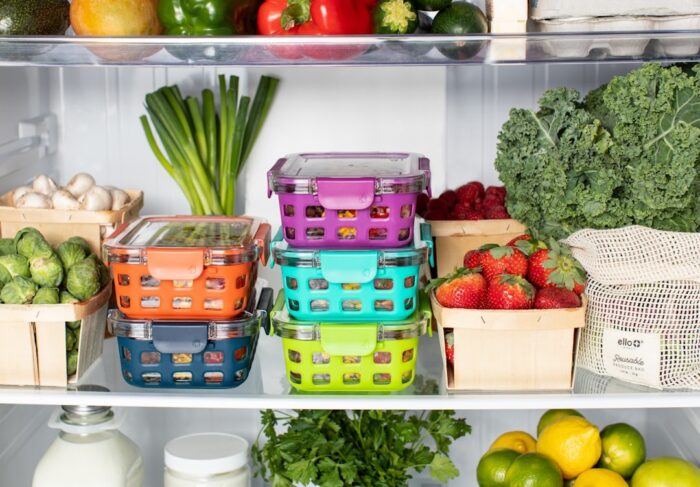
Alt text: A person organizing food inside a refrigerator
Certified units pair tighter door seals, smarter compressors, and LED lighting, all tracked on the ENERGY STAR list of commercial refrigerators. A labeled model can use roughly 30 percent less energy than a standard one. Over years, that gap is real money.
The lesson is design. Efficient hardware pays you back monthly.
How Do You Cut Running Costs?
With habits, not just hardware. Daily choices matter.
The moves that lower a freezer’s bill are these 5:
- Set it right. Hold 0°F, not colder.
- Seal the door. Check gaskets for gaps.
- Keep it full. Stock holds cold better.
- Clean the coils. Dust makes it work harder.
- Site it smart. Away from ovens and sun.
Each step is small. Together they trim the monthly total noticeably.
Does an Efficient Setup Help the Whole Kitchen?
Yes, well beyond the freezer. Systems work together.
A cold chain that runs smoothly supports overall kitchen efficiency, from prep to service. Less spoilage means less waste and fewer emergency restocks. A reliable freezer frees you to focus on the food itself.
The idea is flow. One steady appliance steadies the whole operation.
When Should You Upgrade?
When the numbers say so. Old units cost more than they seem.
An aging freezer that struggles to hold 0°F, runs constantly, or shows rising bills is a candidate. A repair above about 50 percent of a replacement rarely makes sense. Weigh the purchase against years of lower running costs before deciding.
The rule is math. A cheaper unit today can cost more every month.
Key Points to Keep In Mind
- A display freezer runs 24 hours a day and shapes both cost and safety.
- Keep refrigerators at 40°F and freezers at 0°F.
- Discard perishables left above 40°F for over 2 hours.
- Certified units can use about 30 percent less energy.
- Simple habits like sealing doors and cleaning coils cut bills.
- Upgrade when a repair approaches half a replacement’s price.
Choosing a Freezer That Pays for Itself
The right display freezer is more than a place to keep stock cold. It protects your food, reassures your customers, and quietly controls one of your steadiest costs. Match the unit to your space, hold the safe temperatures, and lean on an efficient model to keep the bill down. Do that, and a single smart purchase keeps paying you back long after the day you plug it in.
Frequently Asked Questions
What Temperature Should a Commercial Freezer Hold?
Aim for 0°F for a freezer and at or below 40°F for a refrigerator. Those limits keep bacteria from growing and protect the quality of your stock. Use a built-in or external thermometer to confirm the unit actually holds its setting, since a dial reading is not always accurate. Check it often, especially in warm weather or after a busy service when the door opens a lot.
Are Energy-Efficient Freezers Worth the Extra Cost?
Usually yes, for a business that runs the unit constantly. A certified model can use roughly 30 percent less energy than a standard one, and that saving repeats every month for years. The higher purchase price is often offset by lower bills within a few seasons. For an appliance running 24 hours a day, efficiency is one of the easiest long-term savings to lock in.
How Do I Lower My Freezer’s Running Costs?
Start with the basics: hold the correct temperature, check the door seals, and keep the coils clean. A full freezer holds cold better than an empty one, so stock it sensibly. Place the unit away from ovens, heaters, and direct sun. These small habits, combined with an efficient model, can noticeably reduce what the appliance adds to your monthly power bill.
When Should I Replace an Old Display Freezer?
Consider replacing a unit that cannot hold 0°F, runs nonstop, or drives steadily rising bills. As a rough guide, if a repair costs more than about half the price of a new unit, replacement is often the smarter choice. Factor in the energy savings a modern model brings, since a cheaper efficient freezer can cost far less to run over its lifetime.








Leave a Reply