
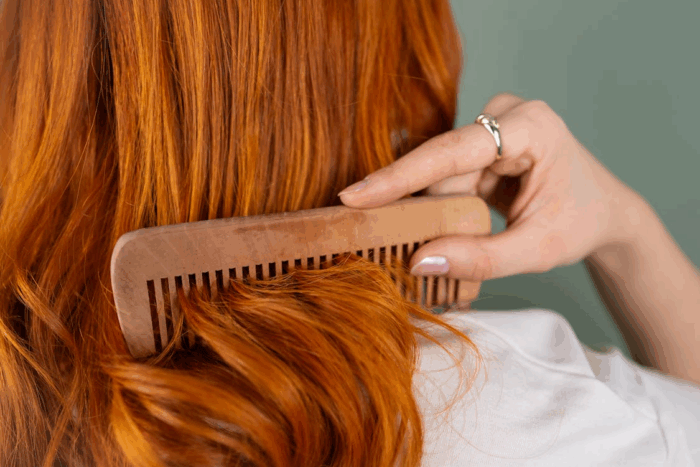
Do you dream of healthier and more beautiful hair?
The key is a personalized routine.
Shampoo sales get boosted whenever ads for luscious locks air. But more people don’t try a better hair care routine because they think it’s too hard. Which just isn’t true.
Hair care doesn’t have to be an overwhelming shopping experience followed by inconsistent daily and weekly regimens.
The reality is a good routine is simple once you understand the steps involved. And getting the basics right makes a world of difference.
With the right products, all hair types can shine.
Here’s a closer look at how to build the routine your hair needs.
What You’ll Learn:
- Why a hair care routine needs to be personalized
- The 4 steps that form the core of every good routine
- How to target common scalp problems with targeted ingredients
- How to choose the best products for your hair type
The Case for a Personalized Hair Care Routine
Hair and scalp care products are big business.
According to industry research, the global hair and scalp care market was valued at USD 103.94 billion in 2024. It’s a number that will only grow as more brands flood the shelves.
Here’s the problem:
Routine shopping doesn’t create a routine. Finding a good shampoo just to learn the conditioner is crap is frustrating. Yet it happens to most people.
Hair care doesn’t have a one-size-fits-all solution. Oily hair has different needs than dry, damaged strands. Scalp health is an issue that many ignore.
Changing lifestyles and priorities mean people are finally starting to take hair care seriously. The selfcare movement has extended to hair and scalp health.
Applying the same principles people use for skin to hair results in better outcomes.
When the routine matches the hair and scalp type, the improvements show quickly. It can be as simple as less breakage and more shine.
The Steps in Any Good Hair Care Routine
Basic hair care follows a predictable routine that includes four core steps.
The exact products used in those steps matter for getting results, but they don’t have to break the bank. Cheap shampoo and conditioner can work.
Quality ingredients and brand names aren’t the same thing.
It’s more about getting a routine and sticking with it. Routine changes confuse hair.
Hair care routines are all about a few basic steps.
Step 1: Cleansing
Hair routines begin with the right shampoo. Cleansing is more than just washing. It means removing residue and buildup from previous products.
Hair with scalp issues like flakes or itchiness can benefit from an anti-dandruff shampoo like Kinkind Dandruff and Itch Relief Shampoo.
Scalp health sets the stage for hair health.
Step 2: Conditioning
The conditioner is the next step after shampooing. Conditioning moisturizes hair. It also makes it easier to detangle hair strands after washing.
Conditioner is one hair product that applies to all hair types. And it isn’t optional.
The main place to avoid with conditioner is the roots. Applying it to the scalp can make hair look and feel greasy.
Focus on the mid-lengths to the ends.
Step 3: Treatment
Hair treatment products vary according to need. Weekly hair masks provide an intense conditioning treatment. Scalp serums help to target specific issues.
Treatment adds an extra level of care that improves results for most people.
Step 4: Protection
Heat styling and the environment take a toll on hair. Hair protectant sprays create a barrier on strands to prevent damage from hot tools. Sun damage can also affect hair. Look for hair products with UV protection for outdoor activities.
Addressing Scalp Issues with the Right Ingredients
Scalp conditions affect more people than you might realize.
Dandruff affects 50% of adults at some point in their lives. That’s half the adult population struggling with dry flakes, itchiness, and scalp irritation. Yet scalp conditions often go unaddressed.
Hair care routines need to include a focus on the scalp. The scalp is skin and has the same needs as facial skin.
Ignoring the scalp leaves hair suffering.
Here are some of the most common scalp issues.
Dandruff and Flaking
Dandruff occurs when skin cells exfoliate too quickly. Targeted cleansing with an appropriate shampoo can solve the problem.
Look for ingredients like zinc pyrithione or tea tree oil. The key to fighting dandruff is consistency over product intensity.
Oily Scalp
Excess sebum production creates an oily scalp. This can make hair look greasy even a few hours after washing.
Clarifying shampoos that are lightweight and balancing help regulate oil production. Washing hair more often can also help oily hair.
Dry and Itchy Scalp
Dry scalp often comes from using products that are too harsh. Or from over-washing the hair. Using gentler hair products and washing less often can restore the scalp’s moisture balance.
Apply a scalp hydrating treatment to add moisture back to the scalp.
Sensitive Scalp
Sensitive scalps react to certain ingredients. Fragrances and sulfates can be particularly irritating to sensitive scalp types.
Switching to hypoallergenic and fragrance-free products can help soothe irritation.
Tips for Choosing Hair Products for Your Hair Type
Hair products come in a bewildering array of formulations.
There’s a reason so many hair care products have the same ingredients. Because the ingredients work. Effective hair care doesn’t have to be expensive.
Hair type matters in picking products. The wrong shampoo and conditioner can waste money and lead to less than stellar results.
Hair type categories simplify shopping.
Fine Hair
Fine hair is easily weighed down by heavy products. Products that add volume are best for fine hair.
Stay away from dense oils and creams that flatten the hair shaft.
Thick Hair
Thick hair requires more moisture than other hair types. Conditioners with more slip and smoothing hair serums help.
Applying a deep conditioning treatment weekly keeps thick hair soft and easy to manage.
Curly Hair
Curly hair tends to be dryer than straight hair. Hydrating products that contain natural oils enhance curls without frizz.
Choose products that don’t contain drying alcohols that strip curls of moisture.
Color-Treated Hair
Color-treated hair needs sulfate-free shampoos to prevent fading. Purple shampoo helps maintain blonde tones without brassiness.
Damaged Hair
Hair that is over-processed or damaged by heat styling needs protein.
Applying strengthening treatments can rebuild the hair from the inside out. Limiting the use of heat tools gives damaged hair time to recover.
Building the Routine from the Ground Up
Hair care routines don’t have to be complex.
Starting with shampoo and conditioner that work with hair type covers the most common needs. Then add treatments according to specific concerns.
A simple example might include:
- Daily: Apply a heat protectant and environmental protection to hair
- Every 2-3 days: Cleanse and condition (this can be adjusted for hair type)
- Weekly: Deep treatment or hair mask
- Monthly: Evaluate results and adjust products as needed
Consistency is more important than constantly changing products. Allowing time for any new product is key.
It takes a minimum of four to six weeks for hair to adapt to a product or routine.
Listen to what the hair is saying. Is it shinier? Softer? Stronger? These are good signs that the routine is working. If issues persist, some tweaking may be needed.
Putting it All Together
Hair care routines transform hair health when used consistently over time.
Hair care routines are selfcare. Treating hair as selfcare pays off in shiny, healthy hair. Everyone deserves that.






Leave a Reply