
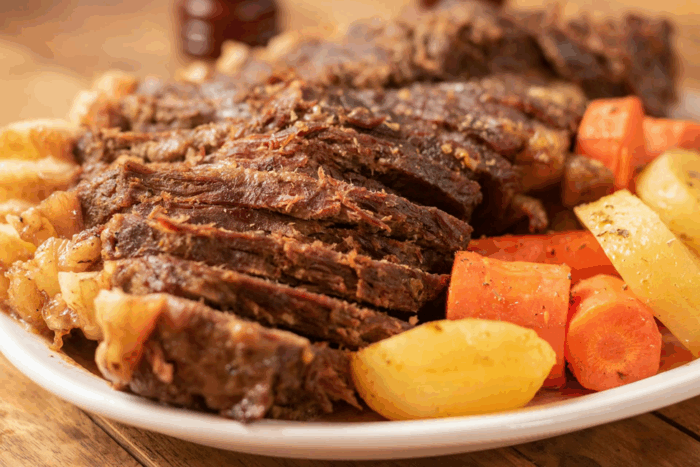
Beef is highly misunderstood by many. It can be quite healthy. When you choose it well and cook it right, beef delivers real nutrition. Solid protein. Iron your body actually absorbs. Nutrients that keep you full and fueled. The problem usually isn’t the beef. It’s low-quality sourcing, heavy processing, or cooking it into a dry, lifeless slab.
Good beef doesn’t need much. A clean source. Smart heat. Simple prep. That’s it! When those pieces come together, beef fits easily into a healthy routine and still tastes like something you want to eat.
So, if you love beef and want to know how to cook and eat it the right way, this article is for you.
The Nutritional Value of Beef
First, let’s have a look at what beef brings to the table. It’s one of the best sources of complete protein. That means it helps support muscle recovery and everyday strength. You eat it, and your body knows exactly what to do with it. No guessing.
It’s also rich in iron, especially the type your body absorbs easily. That matters for energy, focus, and overall stamina. Add zinc into the mix, and you get support for immune health and repair. Then there are B vitamins, which help turn food into fuel instead of leaving you sluggish after a meal.
When beef stays close to its natural state and avoids heavy processing, those nutrients stay intact. You feel satisfied longer. Portions stay reasonable. That’s how beef works best.
Choosing Top-Grade Beef for Better Health
Healthy beef starts at the source. Always. How cattle are raised matters a lot more than most people realize. Cattle raised without added hormones and unnecessary shortcuts? That’s how you get top-grade beef.
This is where trusted producers like Riverbend Ranch come in. Their focus? Responsible genetics and animal care. They have been in the business for over three years with no compromise on quality. Their herds of Black Angus cattle are raised on family ranches in the best environment. Instead of forcing growth, they rely on strong breeding programs that support natural development, structure, and long-term animal health. That approach shows up in the final product.
When cattle are managed properly, the beef reflects it. Choosing beef from a provider with clear standards removes a lot of guesswork. That’s the kind of beef that’ll support your health goals.
Selecting the Right Cuts for Healthier Cooking
Every cut won’t behave the same way in your kitchen. Some cook fast. Others need time. You’ve got to know the difference. It makes cooking easier and healthier.
Leaner cuts? They work well for quick meals and lighter plates. Why? Because they don’t need much fat or long heat. Cuts with a bit more marbling bring flavor and stay satisfying when cooked carefully. When cuts are tough, slow cooking is the way to go. This is where heat breaks them down gently instead of drying them out.
Matching the cut to the cooking method avoids overcooking and keeps the beef doing what it’s supposed to do: taste good, stay tender, and keep the nutrients where they belong.
Cooking Temperatures That Protect Nutrients
Heat can help or hurt. Too much or too fast means the beef loses moisture and texture. Protein tightens. Juices escape. Nutrients take a hit.
Moderate heat is the best way to go. It lets the meat cook evenly. Plus, it gets a lot easier to digest. Using a thermometer is a good idea – it prevents overcooking. Pulling beef off the heat at the right time matters just as much as how you cook it.
Resting the meat finishes the job. Juices settle back in. Flavor improves. No extra oil or salt needed.
Grilling Beef the Healthy Way
Grilling is great, but when it’s done right. High flames and constant flipping aren’t the goal. Control is.
Keep the heat steady. Avoid charring. That alone improves flavor and texture. Oh, and don’t underestimate the power of simple marinades. Use herbs, olive oil, and mild acids. It’s all about adding depth without loading the beef with sugar or processed ingredients.
Let the beef cook. Turn it when needed. Pull it off before it dries out. Grilling should highlight the meat, not overpower it.
Pan-Searing Without Overdoing It
Pan-searing sounds intense, right? But it doesn’t have to be. The mistake most people make is cranking the heat and walking away. That’s how beef turns tough fast.
Medium to medium-high heat works better. It gives you a good surface without burning the inside. You only need a little bit of oil – you’re not frying; you’re guiding the beef through the heat.
Once it hits the pan, leave it alone for a bit. Let the surface do its thing. Flip once, maybe twice. That’s it. Pull it off before it looks done. Resting finishes the job. It’ll be juicy, tender, and still packed with protein.
Slow Cooking and Braising for Maximum Benefits
Some cuts don’t like speed. They want time. Slow cooking and braising give tougher cuts a chance to shine.
Low heat breaks down connective tissue without stripping nutrients. The beef softens. Flavor deepens. Minerals stay in the mix instead of getting lost.
This method also plays well with simple ingredients. Broth, onions, herbs. Nothing heavy. Nothing processed. Just steady heat doing the work for you.
Slow-cooked beef feels filling without being heavy.
Pairing Beef with Nutrient-Dense Ingredients
Beef works best when it’s not carrying the plate alone. Pair it right, and the whole meal levels up.
Vegetables rich in vitamin C help your body absorb iron more efficiently. Think peppers, greens, and tomatoes. Herbs add flavor without extra sodium. Spices bring depth without sugar.
Keep sides simple. Think roasted vegetables, fresh salads, and whole grains in reasonable portions. When beef shares the plate with real food, meals feel balanced instead of overdone.
Simple, Nutrient-Rich Beef Recipe Ideas
Healthy beef meals don’t need long prep times or complicated steps. Simple recipes tend to work best.
A quick seared steak with vegetables. Slow-cooked beef with herbs and broth. Ground beef cooked gently and paired with fresh ingredients. That’s all you need.
When recipes stay simple, you keep control. Portions make sense. Ingredients stay clean. This way, beef remains the main player without overpowering the plate.
Healthy beef isn’t complicated. It comes down to quality, temperature, and restraint. Choose beef from a trusted source. Use the right cut. Control the heat. Keep the prep simple. That’s all there is to it. When you do that, beef stays nutrient-rich, satisfying, and easy to enjoy as part of a balanced lifestyle.










Leave a Reply