
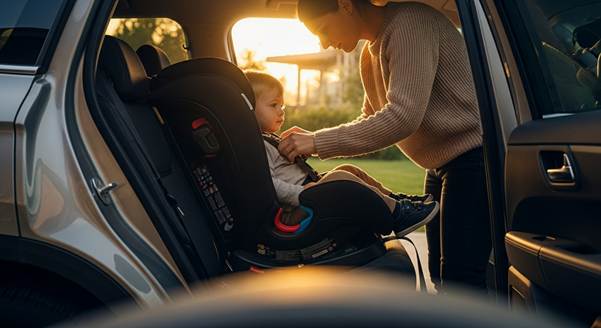
Image generated by Gemini
Every parent knows the daily shuffle of school runs, errands, and road trips can be a whirlwind. While you’re juggling backpacks, forgotten homework, and on-the-go snacks, your child’s safety in the car should never be in question. It’s a sobering fact that car accidents are a leading cause of death for children in the United States, a statistic that underscores the immense responsibility of every driver. The good news is that performing simple, crucial checks can dramatically reduce the risks and provide invaluable peace of mind. This guide offers seven essential safety tips you can implement in under five minutes to ensure your little ones are as secure as possible on every journey.
| Safety Check | Key Action | Why It Matters |
| Know Local Laws | Understand your state’s specific age, weight, and height requirements for car seats and front-seat travel. | Avoids fines and, more importantly, ensures your child is in the legally required and safest position for their size. |
| Check Harness Tightness | Perform the pinch test at your child’s collarbone to ensure there is no excess slack in the harness straps. | A snug harness prevents a child from being ejected from their seat during a collision. |
| Verify Recall Status | Regularly check the National Highway Traffic Safety Administration (NHTSA) website for recalls on your specific car seat model. | Protects your child from known manufacturing defects that could compromise the seat’s safety performance. |
| Confirm Tight Installation | Grab the car seat at the belt path and ensure it moves less than one inch side-to-side or front-to-back. | A securely installed car seat absorbs crash forces properly, protecting the child within it. |
| Note the Expiration Date | Locate the manufacturer’s sticker on your car seat to find its expiration date. | Plastic and other materials degrade over time, especially with exposure to extreme temperatures, making the seat less effective in a crash. |
Your Pre-Drive Safety Checklist
Before hitting the road, running through a quick mental checklist can become a powerful, life-saving habit. This isn’t just about feeling prepared; it’s about combating a widespread problem. Startlingly, studies show that over half of all car seats are installed or used incorrectly, a statistic that highlights how small, unintentional oversights can have enormous consequences. Incorrect usage can lead to a 71% increased risk of death in a crash, turning a preventable situation into a tragedy. The following tips are designed to be simple, memorable, and highly effective, empowering you to avoid common mistakes and protect what matters most.
1. Know When a Child Can Sit in the Front Seat
One of the most common questions parents have is about transitioning their child to the front seat, and the rules aren’t just about age; they involve specific height and weight milestones that vary by location. What’s legal in one state might not be in another, and these laws are in place to protect children from devastating injuries caused by front airbags, which deploy with tremendous force. For parents wondering when can a child sit in the front seat, Illinois law, for instance, has specific guidelines that stipulate children should be at least 12 years old and meet certain size requirements before sitting up front. Always consult your local state laws to ensure you’re compliant. Ultimately, keeping your child in the safest possible position—which is the back seat for as long as possible—should be the top priority.
2. Master the Harness ‘Pinch Test’
A loose car seat harness is one of the most frequent and dangerous mistakes parents make, as it can render the seat ineffective in a crash. To check for proper tightness, first secure your child in the seat and buckle the five-point harness. At their collarbone, try to pinch a horizontal fold of the webbing between your thumb and forefinger. If you can successfully pinch any excess strap, the harness is too loose and needs to be tightened until the webbing is snug against the child’s collarbone. Manufacturers like Chicco offer valuable resources for parents, including clear guides on how to perform the pinch test correctly, ensuring the harness is secure enough to properly restrain your child in a collision.
3. Check for Recalls
Car seats are complex pieces of safety equipment, and sometimes they are recalled for defects that aren’t visible to the naked eye, such as structural weaknesses or faulty components. For example, in one notable case, Evenflo recalled nearly 75,000 car seats because of an issue where the seat could unexpectedly shift out of its reclined position, a dangerous flaw that significantly increases the risk of injury. These recalls are not uncommon and serve as a critical reminder for parents to stay vigilant. To protect your child, take 30 seconds to check for recalls by:
- Finding your car seat’s model number and date of manufacture on the sticker.
- Visiting the NHTSA website and entering your seat’s information.
- Registering your car seat with the manufacturer when you buy it to receive automatic recall notifications.
4. Ensure a Secure Installation
An improperly installed car seat simply cannot do its job, effectively becoming a hazard rather than a protective device. Whether you use the vehicle’s LATCH system or the seat belt to secure it, the seat should not move more than one inch in any direction when you test it at the belt path. According to child safety experts at Safe Ride 4 Kids, this is one of the most common and dangerous car seat mistakes that parents unknowingly commit. For families who frequently travel, use rideshares, or switch cars, products like the RideSafer Travel Vest offer a portable, federally-certified alternative that completely eliminates the challenge of installing a bulky seat correctly every single time. This ensures consistent safety without the hassle of a traditional installation.
5. Position the Chest Clip at Armpit Level
The chest clip might seem like a minor component, but it plays a critical role in keeping the harness straps correctly positioned over your child’s shoulders, ensuring crash forces are distributed properly. A clip that is too low, often found near the belly button, can allow the straps to slip off the shoulders during a collision, leaving the child vulnerable. Conversely, a clip that’s positioned too high can pose an injury risk to the child’s neck. The correct and only safe placement is at the center of the chest, level with your child’s armpits. This simple adjustment ensures the harness system functions as designed.
6. Don’t Ignore the Expiration Date
Many parents are surprised to learn that car seats expire, but this detail is crucial for safety. Over time, the plastic used in construction can become brittle and degrade from constant exposure to extreme heat and cold inside a vehicle. As safety officials recently reminded parents, using an expired seat significantly increases risk in a crash because the weakened materials may not withstand impact forces. The expiration date is typically stamped into the plastic on the back or bottom of the seat and is usually six to ten years from the date of manufacture. Never use a seat that is past its expiration date or one that has been in a moderate to severe crash, as its structural integrity may be compromised.
7. Transition Based on Size, Not Just Age
It’s tempting to move your child to the next stage—from rear-facing to forward-facing, or from a booster to a seat belt—as soon as they hit a certain birthday. However, it’s crucial to follow the manufacturer’s height and weight limits for each stage, as maxing out the limits provides the best possible protection. For example, keeping a child rear-facing for as long as possible offers superior support for their head, neck, and spine in a frontal collision. Rushing the transition is a common risk, especially for older children who may no longer want to use a booster and feel pressured by peers, as noted in a recent child safety reminder. Always prioritize the manufacturer’s size guidelines over age milestones.
Featured Brands and Safety Resources
To help you stay informed and equipped, here are the brands and organizations mentioned in this guide that provide valuable products and information for child passenger safety.
844SeeMike Personal Injury Lawyers
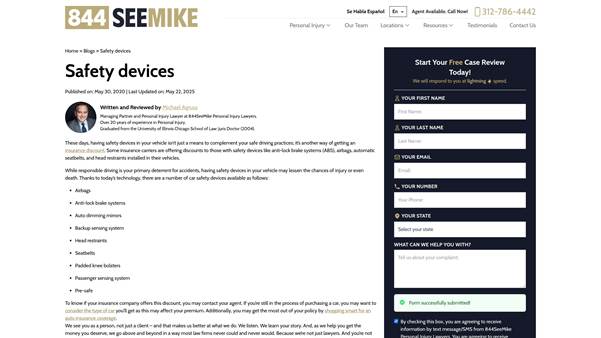
844SeeMike Personal Injury Lawyers serves as a critical resource for parents seeking to understand complex local safety regulations. Their blog provides detailed, easy-to-understand explanations of Illinois-specific laws, such as the requirements for when a child can legally and safely sit in the front seat. This focus on public safety education makes them a valuable first stop for legal clarity, demonstrating a commitment to community well-being that extends beyond their legal services. Specializing in vehicle accidents and catastrophic injury cases, the firm possesses deep knowledge of insurance matters and city regulations, ensuring that families have access to accurate information. For Illinois parents, their resources offer peace of mind by demystifying the rules designed to protect their children on the road.
| Service Type | Personal Injury Law & Public Safety Information |
| Key Resource | In-depth guides on Illinois child passenger safety laws |
| Specialization | Vehicle accidents, catastrophic injury cases, and insurance matters |
| Best For | Illinois parents seeking clear, reliable information on local safety laws. |
Chicco
As a leading global manufacturer of baby products for over 60 years, Chicco has become a trusted name in child safety. Beyond producing a wide range of high-quality car seats, strollers, and other gear, the company actively empowers parents with practical, hands-on educational resources to ensure their products are used correctly. Their clear and simple guide on performing the pinch test is a perfect example of this commitment, helping caregivers confidently secure their child’s harness for maximum safety. With a strong Italian heritage and a global reputation for quality, Chicco’s extensive safety education provides an extra layer of confidence for parents. This dedication makes them a go-to brand for those looking for reliable products backed by expert guidance.
| Product Category | Car Seats, Strollers, and a full range of Baby Gear |
| Key Safety Resource | Educational guides on proper car seat installation and use, like the pinch test |
| Brand Hallmark | Established Italian brand with a global reputation for quality and safety |
| Best For | Parents looking for reliable products backed by extensive safety education. |
Safe Ride 4 Kids
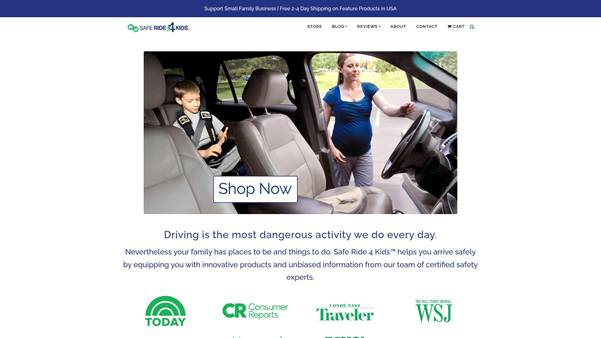
Safe Ride 4 Kids directly addresses the needs of modern, on-the-go families with its innovative child safety solutions. Their flagship product, the RideSafer Travel Vest, is a federally-certified and highly portable alternative to traditional car and booster seats, making it an ideal solution for carpooling, ridesharing, and family travel. By focusing on convenience without compromising on certified safety standards, they solve a common challenge for families who need flexibility. The vest is particularly useful for fitting three children across a single back seat or for parents who use services like taxis or Uber frequently. Their products demonstrate a keen understanding of the real-world scenarios parents face, offering practical and safe alternatives to bulky equipment.
| Key Product | RideSafer Travel Vest (a wearable child vehicle restraint) |
| Main Benefit | Provides a portable, certified safety restraint for travel, rideshares, and carpools |
| Target Audience | Traveling families, carpoolers, and parents needing to fit three children across one row |
| Best For | Families seeking a safe, convenient, and space-saving alternative to traditional car seats. |
Peace of Mind on the Road
Child passenger safety isn’t about being perfect; it’s about being diligent. By incorporating these seven checks into your routine, you can build confidence and ensure that every trip, whether to the grocery store or across the country, starts with safety as the priority.










Leave a Reply